Dental Fillings in Lahore: Types, Cost & Procedure
Dental fillings in Lahore are the right fix the moment a cavity becomes visible — long before it reaches the nerve and turns into a painful root canal. At Odonto, we place tooth-coloured composite, traditional silver amalgam, fluoride-releasing glass ionomer, premium ceramic inlays, and modern laser-assisted composite fillings — chosen by your dentist based on the tooth, the depth of the cavity, your bite force, and your budget. The full tooth filling procedure usually finishes in a single 25–45 minute visit. The teeth filling price in Pakistan at Odonto starts from PKR 1,800 — no hidden charges.
 PMDC certified
A small repair that stops decay and rebuilds the tooth.
A dental filling is a restorative procedure that removes the decayed part of a tooth and rebuilds the missing volume with a strong, bonded material. Once the filling is set, the tooth functions and looks like it did before the cavity formed.
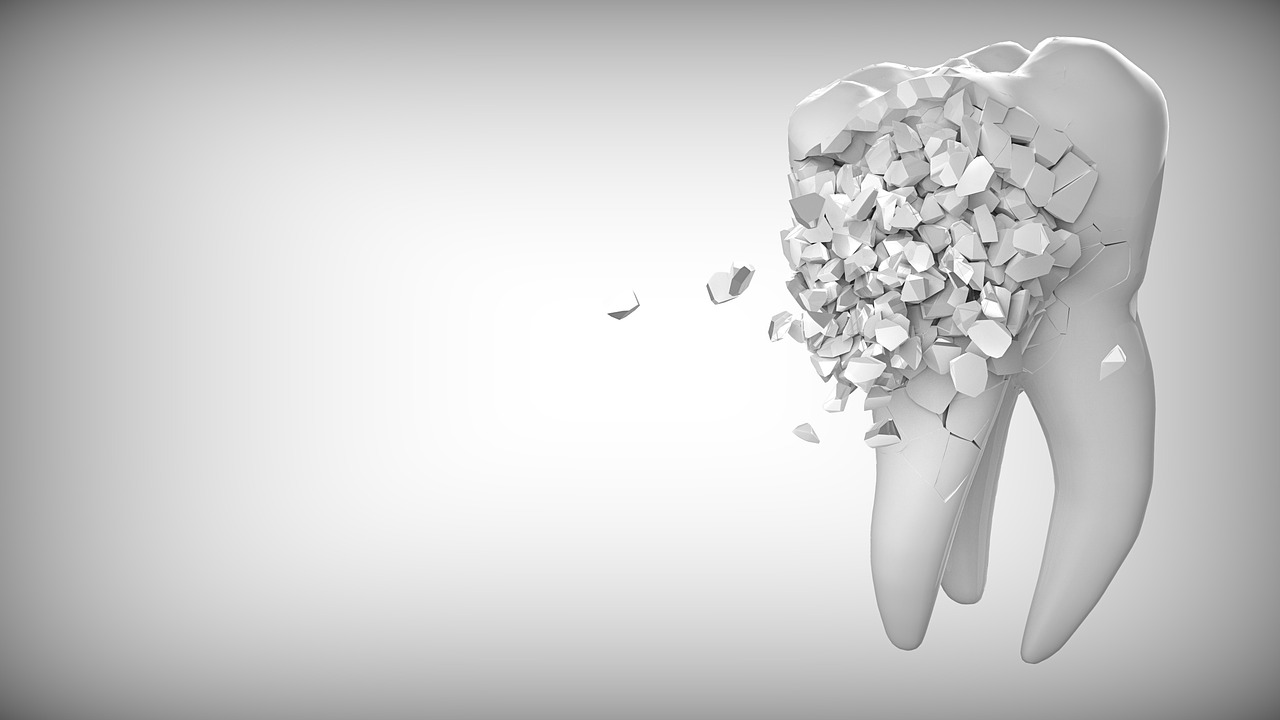
Fillings are used the moment a cavity is visible — long before it reaches the nerve. Without a filling, decay continues to spread inwards day after day; the eventual fix is a root canal or an extraction. With a filling, the bacteria are removed and the tooth is sealed in a single visit.
The five filling materials we work with at Odonto — composite, amalgam, glass ionomer, ceramic inlay, and laser-assisted composite — each have a distinct use case. The video on the right walks you through how each one is placed and what it looks like in a finished tooth.
Six signs your tooth needs a filling.
Most cavities are silent until the very late stage. The six signs below are what we see most often at consultation — if any of them sound familiar, a 15-minute check-up is the right next step.
A visible cavity or hole
You can see — or feel with your tongue — a brown or black hole on the chewing surface of a back tooth. Once a cavity is visible to the eye, fluoride and brushing alone will not reverse it. A filling stops the decay before it reaches the nerve.
A mild lingering toothache
Not the sharp pain of an abscess — but a dull, recurring ache that comes when you bite, lasts a few minutes, and fades. That is the early signal that decay has reached the dentine. A filling at this stage usually saves the tooth from a future root canal.
An old amalgam broken or leaking
A silver filling placed ten or fifteen years ago has chipped, cracked, or shows a dark margin where it meets the tooth. Bacteria can leak underneath. Replacement with a fresh composite stops decay from progressing into the tooth's core.
Food gets stuck repeatedly
A specific spot between two teeth catches food at every meal — and it is hard to clean out even with floss. That is almost always an interproximal (between-the-teeth) cavity that needs a two-surface filling.
A dark spot or stain on the tooth
A small grey, brown, or black dot on the chewing surface or near the gum line. Sometimes painless. The dark spot is decay through the enamel — a filling now is the cheapest, fastest fix you will ever have on that tooth.
A chipped tooth with a rough edge
A small chip from biting something hard, or a worn edge that catches on your tongue. A composite filling rebuilds the missing piece in one visit, smoothing the edge and protecting the underlying tooth from further fracture.
Six reasons a filling is worth the visit.
A filling is the highest-value restoration in dentistry — small chair-time, low cost, and the difference between keeping a tooth alive for decades or losing it to a root canal and crown.
Stops decay in its tracks
A filling removes the bacteria and seals the tooth — that is what stops decay from reaching the nerve. Without a filling, a small cavity becomes a deep cavity, then an abscess, then a root canal. Catching it now keeps the bill small and the tooth alive.
Restores chewing on that side
Most patients have been favouring one side of their mouth for weeks before they come in. A filling rebuilds the chewing surface — you go back to using both sides of your mouth from the same evening, with no soft-food restrictions after a few hours.
Looks completely natural
A modern composite filling is shade-matched to your enamel and polished to the same lustre. Patients regularly forget which tooth was filled when we ask at the six-month review. No silver showing, no dark line at the margin.
Painless modern procedures
Local anaesthesia numbs the tooth fully before any drill touches enamel. For small cavities we offer laser-assisted fillings — no drill noise, no needle, no vibration. Most patients describe it as the easiest dental visit of their life.
Same-day completion
A single-surface composite filling is finished in 25–35 minutes from the time you sit in the chair. No second visit, no temporary, no lab waiting. You walk out and back to work or school the same hour.
Affordable, transparent pricing
A filling at Odonto starts at PKR 1,800 for amalgam and PKR 2,500 for tooth-coloured composite. No hidden charges. The free 15-minute consultation always includes a written quote before any drill is touched.
Five filling materials for cavities. One that fits.
We place fillings in five material families — each with a distinct strength, lifespan, and cost. Pros and cons listed honestly below so you can pick what suits your tooth, your bite force, and your budget.
 Most popular
Composite (tooth-coloured)
A bonded resin filling, shade-matched to your enamel and cured under a blue light. The all-purpose default at our clinic in 2026 — used on front teeth, back teeth, kids and adults. Bonds chemically to the tooth so less healthy enamel needs to be removed.
 Most durable
Amalgam (silver)
The traditional silver-grey filling — an alloy of silver, tin, copper and mercury. Outlasts every other material under heavy chewing forces. Best reserved for back molars where appearance is not a concern and bite force is high.
Kids & cervicalGlass ionomer (GIC)
A tooth-coloured cement-based filling that releases fluoride into the surrounding tooth over time — protecting against further decay. The default choice for pediatric fillings, root-surface cavities, and patients who can't maintain a perfectly dry field during placement.
 Premium tier
Ceramic inlay / onlay
A lab-fabricated porcelain insert — the right choice when more than half of the chewing surface is missing but the tooth is still healthy enough to avoid a full crown. Stronger and more durable than a direct filling, with a perfect colour match.
Painless modernLaser-assisted composite
A small Erbium laser removes decay without the drill — no noise, no vibration, often no anaesthesia needed. The composite is then placed and cured as usual. Reserved for small to medium cavities. The least stressful option for nervous patients and children.
Transparent pricing. No hidden charges.
Teeth filling cost at Odonto Lahore is fixed per material and per surface. Prices below are all-inclusive: examination, X-ray, anaesthesia, decay removal, the filling itself, and the bite check and polish. The free 15-minute consultation always includes a written quote before any treatment begins.
| Filling type | Starting price |
|---|---|
| Composite — per surfaceTooth-coloured · bonded | PKR 2,500 |
| Multi-surface compositeTwo or three surfaces · bonded | PKR 4,500 |
| Amalgam (silver)Mercury alloy · most durable | PKR 1,800 |
| Glass ionomer (GIC)Fluoride-releasing cement | PKR 2,000 |
| Ceramic inlay / onlayLab-fabricated porcelain | PKR 12,000 |
| Laser-assisted compositeNo-drill · often no needle | PKR 4,000 |
| Pediatric fillingKids · usually GIC | PKR 2,000 |
| Amalgam → composite replacementOld silver swapped for tooth-coloured | PKR 3,500 |
| Pulp liner (deep cavity)Calcium hydroxide or GIC base | + PKR 800 |
For a 1 surface composite filling on a molar tooth.
Ten factors that shape your teeth filling price.
Filling pricing in Lahore looks confusing because the spread is so wide — PKR 800 at one clinic, PKR 12,000 at another. The ten factors below explain almost the whole difference.
Filling material chosen
Amalgam is the cheapest, ceramic inlay is the most expensive. Composite, glass ionomer and laser-assisted composite sit in between. The single biggest line item in the per-tooth price.
Number of surfaces involved
A one-surface filling (chewing-surface only) is faster and cheaper than a two- or three-surface filling that wraps around the side. Multi-surface composites are typically 70–90% more than single-surface.
Tooth location (anterior · premolar · molar)
A front-tooth filling needs careful shade-matching and a polished aesthetic finish. A molar filling needs harder, more abrasion-resistant material. Premolars and molars also take longer to access — both add a small modifier to the price.
Cavity depth
Shallow enamel cavities are quick. Deep cavities reaching close to the nerve require liner placement, more careful preparation, and sometimes a base layer underneath the filling. Deeper means slightly more expensive.
Whether anaesthesia is needed
For shallow cavities, no anaesthesia is needed — saving both time and a small surcharge. Deeper cavities or sensitive teeth need a local injection. Laser-assisted fillings often skip anaesthesia entirely.
Whether a base or liner is needed
Cavities very close to the nerve need a calcium hydroxide or glass ionomer liner placed first to protect the pulp. That is an extra material and an extra step — usually PKR 500–1,000.
Pediatric vs adult
Children's fillings often use glass ionomer (releases fluoride, kind to small mouths) and run shorter chair-time. Pediatric fillings at Odonto are priced at PKR 2,000 regardless of material to keep the visit affordable for parents.
Replacement of an existing filling
Drilling out an old amalgam, cleaning the cavity floor, then placing a fresh composite takes about 50% longer than placing a brand-new filling. Replacement of old amalgam with composite at Odonto starts at PKR 3,500.
Lab-made (inlay) vs chair-side (direct)
A direct filling is shaped and cured in your mouth. An inlay or onlay is fabricated in a dental lab from a digital scan or impression. Lab fees and the second visit raise the inlay price five-fold over a direct composite.
Government hospital vs private clinic
Government dental hospital fillings are heavily subsidised but come with junior-dentist execution and long queues. Private clinics like Odonto charge full price but you see a senior clinician on the same week with all material options on the menu.
Government dental hospital or private clinic?
Both are legitimate options. Here's the honest comparison so you pick the right one for your case.
Subsidised, but with trade-offs.
Lahore has good government and dental teaching hospitals — Mayo, Punjab Dental Hospital, the public-sector dental departments. Filling work is heavily subsidised — sometimes PKR 500–1,000 a tooth.
- ✓Significantly lower fees — sometimes 70–80% less than private
- ✓Same baseline materials (amalgam, basic composite) as private clinics
- ×Long appointment queues — multi-week waits common
- ×Junior dentists or house officers usually do the fill
- ×Limited material choice — usually only amalgam and basic composite
- ×No laser option, no ceramic inlay, no shade-matching for front teeth
Full menu, senior clinician, same week.
Private clinics like Odonto charge full market price but you see a senior clinician on your scheduled date, choose from any material in the menu — including laser-painless and ceramic inlay — and get a written quote before any drill is touched.
- ✓Senior clinician executes the filling — every time
- ✓Five material options including laser-assisted and ceramic inlay
- ✓Written quote before any treatment begins
- ✓Same-week appointments, often same-day for emergencies
- ✓Itemised invoice for insurance reimbursement
- ×Higher fees than government hospital
Amalgam or composite — which one is right for your tooth?
The single most common question at consultation. The honest answer is — it depends on which tooth, how heavy your bite is, and how visible the tooth is in your smile. Here's how we recommend.
The right choice for some back-tooth cases.
Amalgam is the most durable filling material in dentistry — outlasting every other material under heavy chewing forces. The trade-off is the visible silver-grey colour. Best reserved for back molars where appearance is not a concern and bite force is high.
- ✓Most durable material — 10–15 years average
- ✓Lowest cost in the menu — PKR 1,800 starting
- ✓Excellent for heavy-grinder back molars
The right choice for almost everything else.
Composite is the all-purpose default at our clinic in 2026. Bonds chemically to the tooth so less drilling is needed, shade-matched to your enamel, and suitable for front teeth and back teeth alike. Slightly more expensive than amalgam but indistinguishable from natural enamel.
- ✓Looks identical to your natural tooth
- ✓Bonds to tooth — minimal healthy enamel removed
- ✓Suitable for any tooth — front or back
Front teeth or back teeth? The material changes.
Almost every patient asks the same question at the consultation: "Which filling is best?" The honest answer is — it depends on which tooth. Here's how we recommend by position.
Front teeth — visible when you smile.
For front teeth, shade match and aesthetic finish are everything. Composite — shade-matched and polished to the same lustre as enamel — is the default. Laser-assisted composite offers the same aesthetic finish with a more comfortable visit. Amalgam is never used on front teeth because the visible silver colour is unmistakable.
Back teeth — chewing force is the priority.
For molars and premolars, durability matters more than translucency. Composite is the popular all-rounder — bonded, tooth-coloured, and durable for 5–10 years. Amalgam is excellent and significantly cheaper for very-back molars. Ceramic inlay is the premium choice for very large cavities. Glass ionomer is generally not recommended for chewing-surface back teeth — it wears too fast under bite forces.
Twelve steps. One visit.
Every tooth filling procedure at our Lahore clinic follows the same protocol — whether it's a small composite chip repair on a front tooth or a full multi-surface restoration on a molar. You see what is happening in a small mirror at every stage.
Examination & X-ray
We check the tooth visually, with a fine probe, and on a bite-wing X-ray. The X-ray shows hidden decay between teeth that the eye cannot see and confirms how close to the nerve the cavity sits.
Decay assessment & material choice
Once we know the depth and surfaces involved, we discuss material options — composite, amalgam, glass ionomer, ceramic inlay, or laser-assisted composite. You see the price for each before any drill is picked up.
Local anaesthesia (or laser-painless)
A small injection of local anaesthetic numbs the tooth and surrounding gum within two minutes. For small cavities and laser-assisted fillings, anaesthesia is often skipped entirely — patients feel only mild warmth.
Decay removal
Soft, infected dentine is gently removed with a slow-speed bur or an Erbium laser. Only the diseased tooth structure is taken out — every millimetre of healthy enamel is preserved.
Cavity preparation
The cavity walls are smoothed and shaped to receive the filling. For composite, this is a conservative shape because the bond does the retention. For amalgam, the cavity is shaped slightly undercut so the silver locks in mechanically.
Liner placement (if deep)
If the cavity is deep enough that the nerve is close, a thin protective liner of calcium hydroxide or glass ionomer is placed on the cavity floor. This insulates the pulp from temperature and chemical irritation.
Acid etching (composite only)
A 37% phosphoric acid gel is applied for fifteen seconds to roughen the enamel at a microscopic level — creating thousands of tiny anchor points for the bonding agent to grip. Then thoroughly rinsed off.
Bonding agent applied
A thin coat of dental bonding resin is brushed onto the etched cavity, gently air-thinned, and cured under a blue light for ten seconds. This creates a chemical bond between the tooth and the filling.
Filling placed in layers
Composite is placed in 2 mm layers, each shaped to mimic the natural anatomy of the chewing surface. Layering avoids shrinkage stresses and gives a stronger end result. Amalgam is condensed in two or three increments.
Curing with light
Each composite layer is cured for 20 seconds under a high-intensity blue LED. The resin polymerises to its final hardness within seconds — you can chew on it the moment you walk out the door.
Bite check & adjustment
Articulating paper is placed between your teeth — you bite down and grind side-to-side. Any high spots are gently adjusted with a fine bur until the tooth meets the opposing tooth perfectly. This is what prevents post-filling soreness.
Polish & aftercare hand-out
A series of fine polishing burs and rubber points smooths and shines the filling to match the rest of your tooth. We hand you a printed aftercare sheet and the WhatsApp number for any questions in the days that follow.
Six small habits that hold the result.
A filling lasts as long as the tooth and gum around it stay healthy. Stick to the list below — both in the first week and long-term.
Avoid hot or hard food for two hours
Local anaesthesia keeps your lip, cheek and tongue numb for around 90 minutes. Avoid hot drinks (you can scald yourself without noticing) and chewy or crunchy foods until the numbness has fully worn off.
Mild sensitivity for a few days is normal
A new filling can feel mildly sensitive to cold or pressure for 1–7 days. This is the dentine settling under the new restoration — it almost always fades on its own. Sensitive toothpaste (Sensodyne or similar) helps if it bothers you.
Brush gently, twice daily
Soft-bristled brush, fluoride toothpaste, two minutes per brushing. The composite is fully set within seconds — but the gum around it may be slightly tender for a day. Be gentle along that margin for 48 hours.
Floss carefully — pull through, do not lift
Slide floss between teeth and pull it out sideways, never lift it up out of the contact. This avoids dislodging fresh filling material at the contact point. After the first 48 hours, normal flossing is fine.
Tell us if the bite feels high
The new filling should feel level with the rest of your teeth. If it feels high, hits first, or rocks when you bite, message us and we adjust it in five minutes at no charge — usually the same day.
Schedule the 6-month hygiene visit
Plaque around the margin of any filling is the single biggest reason it eventually fails. A scaling and polish every six months keeps the margin clean and lets us spot any small issue before it becomes a big one.
How long do fillings last — and what changes the answer?
Aftercare is what you do in the first week. Long-term maintenance is what you do for the next decade. The four habits below decide whether your filling becomes the durable restoration it's designed to be — or fails early.
How long do fillings last in Pakistan?
A well-placed composite filling typically lasts 5–10 years; amalgam 10–15; ceramic inlay 15+. Lifespan depends more on your bite force and oral hygiene than the material itself. Patients who grind, who skip cleaning visits, or who eat very acidic diets see fillings wear faster.
Replace early — do not wait for pain
A failing filling rarely hurts before it leaks. By the time it aches, decay has usually reached the dentine again — and the next fix is bigger and more expensive. Annual X-rays catch the problem at the cheapest possible point.
Wear a night guard if you grind
Bruxism (grinding) wears composite fillings flat in 2–3 years and chips them at the edges. A custom night guard (PKR 6,500 at Odonto) doubles the lifespan of every filling in your mouth and protects your other teeth in the same go.
Replace old amalgams electively
Amalgams placed before 2010 are now reaching the end of their service life. Even if there is no pain, the tooth-coloured composite replacement is more conservative, more aesthetic, and prevents the eventual fracture that an old amalgam can cause.
Six things that could go wrong — and how we handle each.
No restoration is risk-free. Most patients have a smooth recovery, but the six potential issues below are worth knowing about before you book — including how we mitigate each at our clinic.
Post-filling sensitivity (1–2 weeks)
Mild sensitivity to cold drinks, sweet foods, or pressure for the first 1–2 weeks. Almost universal after deep fillings, almost always fades on its own. Sensitive toothpaste used twice daily helps.
Allergic reaction to material (rare)
Very rare. Some patients have a sensitivity to the resin in composite or to nickel traces in some amalgams. Symptoms are localised gum swelling or oral irritation immediately around the filling.
Filling falls out
Uncommon but does happen — usually from a sticky food (toffee, gum) pulling the filling out, or from a poorly bonded margin. Slightly more common in glass ionomer than composite or amalgam.
Bite feels high
Even with careful adjustment, a new filling can occasionally feel a fraction of a millimetre too tall — you notice it as a sore tooth or a clicking on that side when you bite together.
Recurrent decay around the filling
If plaque sits at the margin for years, decay can develop on the natural tooth right next to the filling — invisible at first, visible only on bite-wing X-ray. A common cause of needing a second filling on the same tooth.
Tooth fracture if filling is very large
When more than half of the visible tooth is filling material, the remaining tooth structure is thinner than a fingernail. A heavy bite — an olive pit, an unseen bone — can fracture the tooth around the filling.
Three different fixes — one of them is right for your tooth.
When a tooth has decay, you usually have three options. The right choice depends on how deep the decay has reached and how much of the tooth is left.
Twelve answers our Lahore patients ask before booking.
If your question isn't here, message us on WhatsApp — we usually reply within thirty minutes during clinic hours.
How much does a teeth filling cost in Lahore?+
At Odonto, the teeth filling price in Pakistan starts at PKR 1,800 for a single-surface amalgam, PKR 2,000 for glass ionomer, PKR 2,500 for a single-surface composite (tooth-coloured), PKR 4,000 for laser-assisted composite, and PKR 12,000 for a ceramic inlay. Multi-surface composite fillings start from PKR 4,500 and replacement of old amalgam with fresh composite from PKR 3,500.
These prices include the local anaesthesia, the bite check, and the polish. There are no hidden charges. The free 15-minute consultation always includes a written quote before any drill is touched.
Composite vs amalgam fillings — which one should I pick?+
Composite is tooth-coloured, bonded chemically to the tooth, suitable for any tooth front or back, and what most patients in 2026 are choosing. It is slightly more expensive than amalgam but indistinguishable from natural enamel.
Amalgam is silver-grey, mechanically retained, more durable under heavy chewing, and significantly cheaper — but visibly silver. Best reserved for a back molar that no one ever sees. We recommend composite by default and only suggest amalgam where bite force or budget make it the right call.
How long do dental fillings last?+
Composite fillings typically last 5–10 years in Pakistan; amalgam fillings last 10–15 years; ceramic inlays last 15 years or more. Lifespan is mostly decided by your bite force, your oral hygiene, and whether you grind at night.
A filling rarely fails because the material wore out — it usually fails because plaque built up at the margin, decay returned, and the filling needed replacing. Six-monthly cleaning extends every filling's life dramatically.
Is laser filling of teeth better than the drill?+
For small to medium cavities, yes — laser-assisted fillings are usually more comfortable. The Erbium laser removes decay without the drill noise, the vibration, and often without an anaesthetic injection. Most nervous patients call it the easiest dental visit they have ever had.
For very deep cavities the drill is still faster and more efficient. We assess each cavity at consultation and recommend laser only where it actually adds comfort.
Are silver (amalgam) fillings safe?+
Yes. Amalgam has been used in dentistry for over 150 years and the World Health Organization, the FDA, and the PMDC have all confirmed it is safe in adults. The mercury is locked into a stable alloy and does not leach into the body in clinically meaningful amounts.
That said, many patients prefer mercury-free alternatives by choice. Composite, glass ionomer, ceramic inlays and laser-assisted composite are all completely mercury-free and we are happy to use any of them.
Will I need a crown later instead of just a filling?+
It depends on how much tooth is left. Once a filling covers more than half of the visible tooth structure, the remaining tooth is thinner than a fingernail and a heavy bite can fracture it. A crown wraps the whole tooth and prevents this.
For small to medium cavities, a filling is the right answer for the next 5–15 years. We tell you at consultation if your tooth is at the borderline of filling-vs-crown — and explain the cost trade-off both ways before you decide.
Why does my tooth hurt after a filling?+
Mild sensitivity to cold or pressure for 1–2 weeks after a deep filling is normal — it is the dentine settling under the new restoration. It almost always fades on its own and is well controlled with sensitive toothpaste used twice daily.
Sharp pain when biting, pain that gets worse over time, or pain that has not faded after two weeks is not normal — message us. Common causes are a slightly high bite (5-minute adjustment), a missing liner, or — rarely — that the cavity was deeper than the X-ray suggested and the tooth needs a root canal.
How is tooth decay diagnosed?+
Three ways combined. Visual examination with a bright light and small mirror picks up surface cavities. A fine explorer probe detects soft, sticky enamel. A bite-wing X-ray reveals hidden decay between teeth and under existing fillings — the kind that the eye cannot see until it is much larger.
A modern caries-detection laser is also used at our clinic for early diagnosis on chewing surfaces. The earlier we catch a cavity, the smaller and cheaper the filling.
Are fillings safe for children?+
Yes. Children's fillings are usually placed in glass ionomer — a tooth-coloured cement that releases fluoride into the surrounding enamel for years afterwards. The visit is typically twenty minutes, often without anaesthesia, and we use child-friendly language and short breaks throughout.
Pediatric fillings at Odonto are priced at PKR 2,000 regardless of material, to keep the visit affordable for parents. Most children leave smiling and willing to come back for the six-month review.
Do fillings need to be replaced over time?+
Yes — eventually. Composite fillings typically need replacement after 5–10 years, amalgam after 10–15 years. The material wears, the margins start to leak, or decay returns underneath. An annual visual check plus a bite-wing X-ray every 18 months is the right monitoring schedule.
Replacing a filling early — before it fails painfully — is always cheaper and more conservative than waiting for the tooth to ache.
Are there painless filling options at Odonto?+
Yes. Three options reduce or eliminate discomfort. First, modern topical anaesthetic gel applied for 60 seconds before the injection — most patients no longer feel the needle at all. Second, laser-assisted fillings remove decay without the drill, often without anaesthesia. Third, for nervous patients we offer a calmer, talked-through visit with extra breaks and explanation at every step.
In ten years of practice, the comment we hear most after a first filling is some version of: I had been postponing this for years for nothing.
Filling vs crown vs root canal — which one will I need?+
It depends on how deep the decay has gone. A filling is the right answer when decay is in enamel or shallow dentine — the nerve is healthy. A crown is right when more than half of the tooth is missing or the tooth is structurally weak — but the nerve is still alive. A root canal is right when the decay has reached the nerve and the tooth is in pain.
We diagnose the right answer at the consultation using the X-ray and a vitality test — and we always recommend the most conservative option that solves the actual problem, never the most expensive one by default.
Dr. Mian Momin Ahmad
“A filling is the cheapest, fastest, most conservative restoration in dentistry — and the moment a cavity is visible, it's the right answer. The most common mistake I see is patients who waited for pain. By then a filling won't do — they need a root canal and a crown for ten times the cost. Come in the moment you see a dark spot or feel food catching. Twenty minutes in the chair, the bill is small, and the tooth is yours for life.”
What our filling patients said about the visit.
Six recent reviews from patients who had filling work done at Odonto. Names are accurate where the patient was happy to share them; treatment details and dates are real.
“Came in for a small cavity on my front tooth — I was anxious about the colour matching. Dr. Momin took ten minutes on the shade. Even my mother could not tell which tooth was filled. Painless from start to finish.”
“Got two molars filled in one visit. The laser option meant no needle and no drill noise — I had been postponing this for months because of the noise. Wish I had known about it earlier.”
“Replaced an old amalgam from 2008 that had started leaking. The new composite looks like the rest of my tooth — no silver showing at all. Honest pricing was the part I appreciated most.”
“My 7-year-old daughter had her first filling here — glass ionomer with fluoride. The team was patient with her and the visit took twenty minutes total. She actually asked when she can come again.”
“A tiny chip on my front tooth from biting into a date stone. The composite repair took twenty minutes and looks like the chip never happened. Would not have known where to find this kind of work elsewhere in Lahore.”
“Two-surface composite filling between my premolars where food was getting stuck. Painless, well-explained, written quote in advance, no upselling. Will be back for the six-month review.”
Real Lahore patients. Real outcomes.
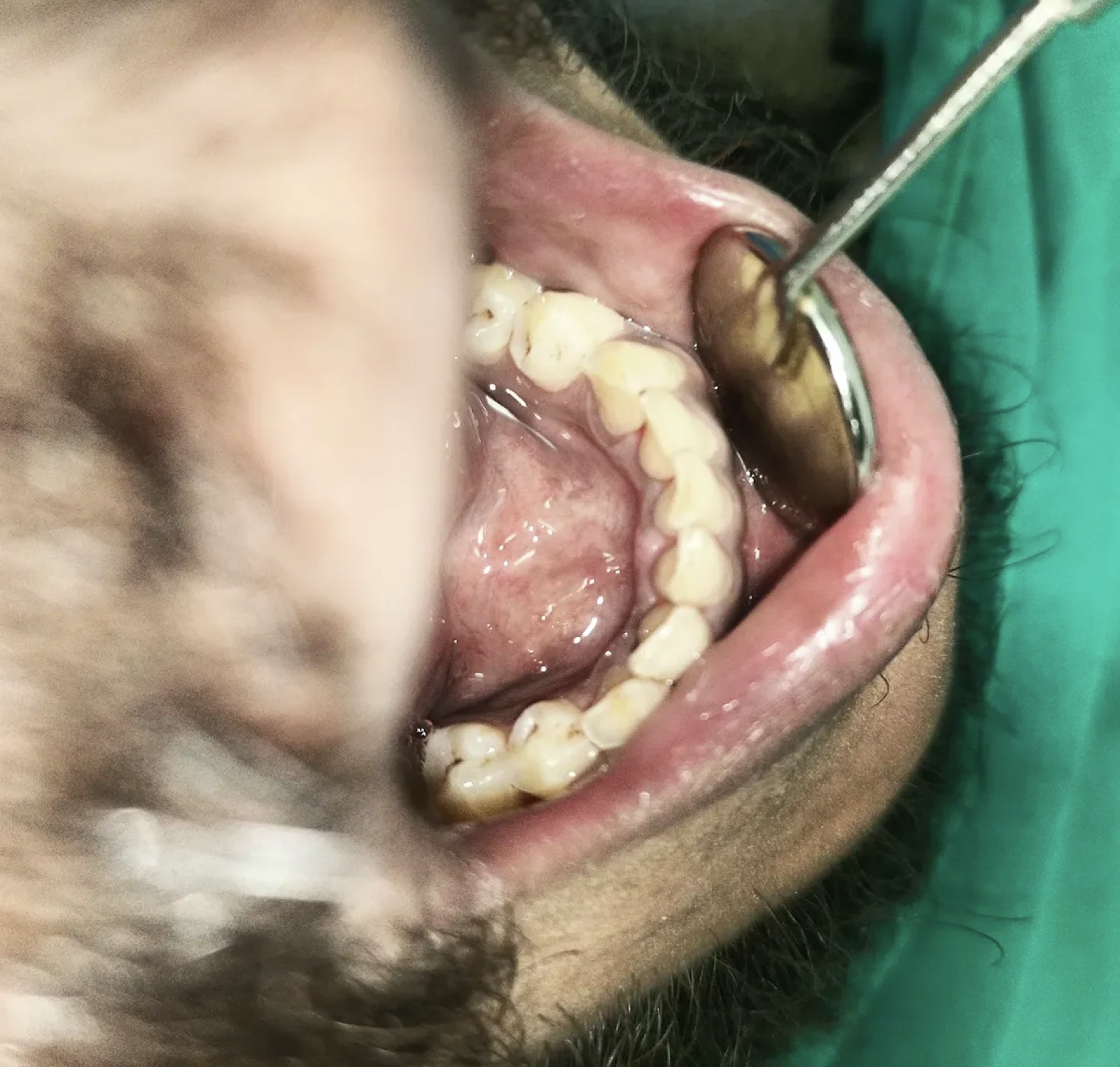
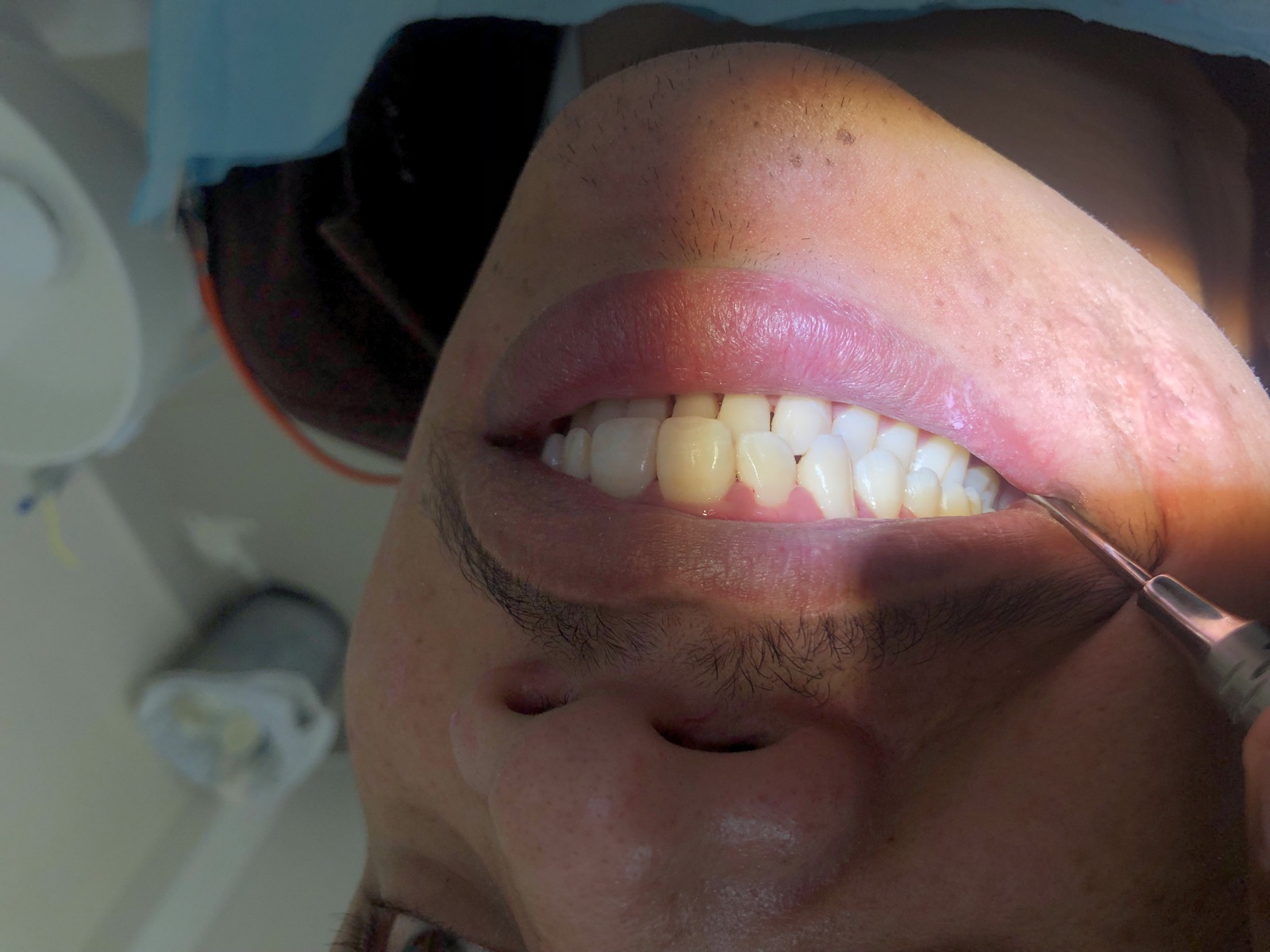
Long-form case studies from our patient archive. Every photo was taken in our Engineers Town clinic with patient consent. Hygiene and preventive care are what protect every filling for years.

Four ways to pay for your filling work.
We don't want cost to be the reason a cavity goes untreated. The four payment paths below cover almost every patient's situation — discussed openly at the consultation, no pressure, no awkwardness.
Treatments, problems, and terminology.
Related treatments
What it relates to
Fill the cavity. Before it grows.
Book a free 15-minute consultation. We'll examine the tooth, take an X-ray, discuss material options, hand you a written quote — and you decide from there. Most fillings finish in the same visit, with no hidden charges and no pressure to add anything you don't need.