🧬
Genetic & Jaw Size
Inherited tooth size vs jaw size mismatch is the single largest cause of crowding and spacing.
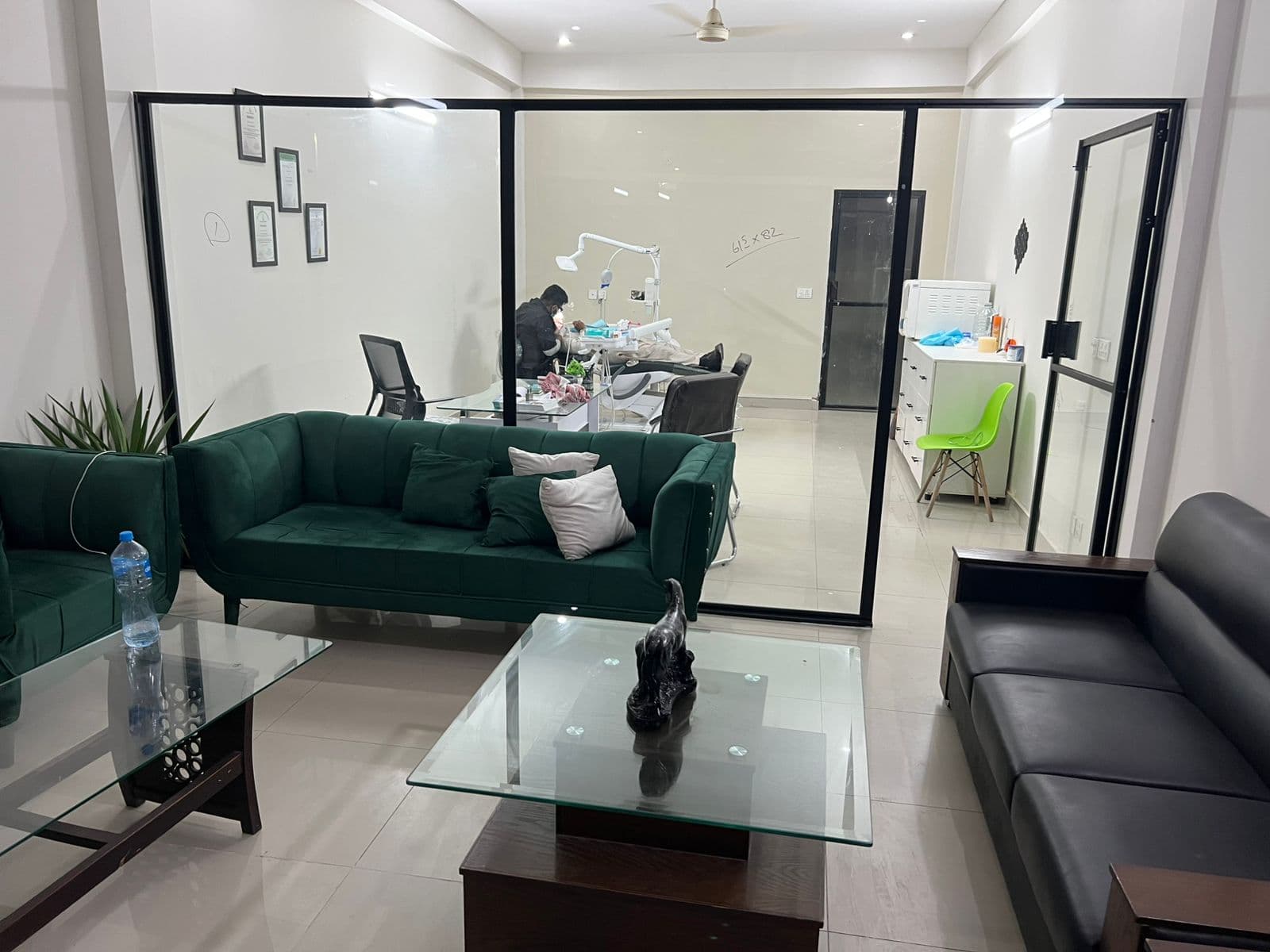
At ODONTO, malaligned teeth are classified and planned clinically before any appliance is fitted. Whether the cause is crowding, an overbite, an underbite, or a skeletal jaw issue, Dr. Mian Momin Ahmad recommends the approach that actually fits your bite.
Clinical Classification First
We classify your bite by Angle class and tooth-by-tooth type before planning appliances.
Aligners Where Suitable
Mild crowding and spacing often respond well to clear aligners alone.
Braces For Predictable Control
Fixed braces stay the gold standard for moderate and complex Class II and III cases.
Surgery When Needed
Skeletal jaw misalignment is planned jointly with an oral-maxillofacial surgeon.
Malaligned teeth are the most common reason patients consult an orthodontist in Lahore. The cause is rarely a single factor — it is usually a combination of inherited jaw size, childhood habits, and lost space from early tooth loss.
Inherited tooth size vs jaw size mismatch is the single largest cause of crowding and spacing.
Habits beyond age 3–4 push front teeth forward and cause anterior open bite.
Chronic mouth breathing narrows the upper arch and shifts the bite over years.
When a primary tooth is lost too soon, adjacent teeth drift and block the permanent one.
Prolonged bottle and sweetened milk feeding in Pakistani households shapes the bite early.
A jaw injury or long-term bruxism can shift tooth position and wear the bite uneven.
Pakistan-Specific Patterns
Once the bite is examined, the next step is to classify it. Dr. Mian Momin Ahmad uses the Angle system — the international standard — before any appliance is planned. Severe Class II and Class III cases are most reliably corrected with fixed braces treatment combined, when needed, with extractions or surgery.
Molars meet correctly but individual teeth are crowded, spaced, or rotated.
Upper teeth and jaw sit ahead of the lower jaw (retrognathism).
Lower jaw protrudes so lower teeth sit in front of upper teeth (prognathism).
Beyond the Angle class, there are specific patterns of tooth misalignment that you can often spot in the mirror. Recognising them helps you describe the problem clearly at your first consultation.
| Area | Early Sign You Notice | Long-Term Risk If Untreated |
|---|---|---|
| Chewing | Difficulty biting through meat or roti | Digestive strain from inadequate chewing |
| Speech | Lisp or whistling on 's' sounds | Persistent speech patterns into adulthood |
| Jaw joint | Clicking, popping, or morning jaw ache | Full TMJ disorder and headaches |
| Tooth wear | Flat, chipped, or sensitive edges | Fractures, crowns, or root canal treatment |
| Hygiene | Food trapping in crowded areas | Cavities and gum disease in the same spot |
| Aesthetic | Cheek biting or visible crookedness | Facial asymmetry and psychosocial impact |
A plan is only as accurate as the records behind it. Before Dr. Mian Momin Ahmad recommends a single appliance, your bite is assessed in six steps.
Intra-oral and extra-oral assessment of tooth and jaw position.
Precise 3D model of your bite to plan every movement.
Full-mouth view to check root position and impacted teeth.
Measures jaw-to-skull relationship for skeletal analysis.
3D imaging for complex surgical or impacted cases.
Visual preview of the final result before treatment begins.
Transparent, removable trays that straighten mild to moderate misalignment without visible braces.
Metal, ceramic, or self-ligating braces correct moderate to severe cases with predictable control.
Orthognathic surgery combined with braces corrects skeletal jaw misalignment that braces alone cannot fix.
Each appliance has a different sweet spot. For mild and moderate Class I crowding or spacing, clear aligner therapy for mild to moderate malocclusion is often the best fit. For rotations, deep bites, and surgical cases, fixed braces give the predictable control clinicians rely on.
| Criterion | Clear Aligners | Fixed Braces |
|---|---|---|
| Best for | Mild to moderate Class I cases | Moderate to severe, surgical cases |
| Aesthetics | Near invisible | Visible (ceramic less so) |
| Comfort | Smooth plastic, removable | Slight soreness after each adjustment |
| Duration | 6 – 18 months | 12 – 24 months (longer for surgical) |
| Compliance needed | 22 hrs/day wear required | Fixed, no compliance concern |
Minor crowding, spacing, or rotation of a few teeth.
Clear Aligners
Class I malocclusion with crowding or arch length issue.
Fixed Braces
Class II / III with dental compensation possible.
Braces + Extraction
Skeletal jaw discrepancy, open bite, or facial asymmetry.
Surgery + Orthodontics
6–12 months
Minor crowding or spacing, usually clear aligners only.
12–24 months
Class I or II cases with fixed braces and routine reviews.
24–36 months
Orthognathic surgery combined with pre- and post-op braces.
Lifelong
Retainers nightly to preserve the corrected alignment forever.
The AAO recommends the first orthodontic assessment by age 7. At this age, habit-related and space-related problems can still be corrected without full braces — and often without extractions later.
At age 7, when the first permanent molars are in place.
Short-term appliances between age 7 and 10 to guide growth.
Retrain tongue position and mouth breathing patterns.
Stop thumb sucking and tongue thrust before the bite sets.
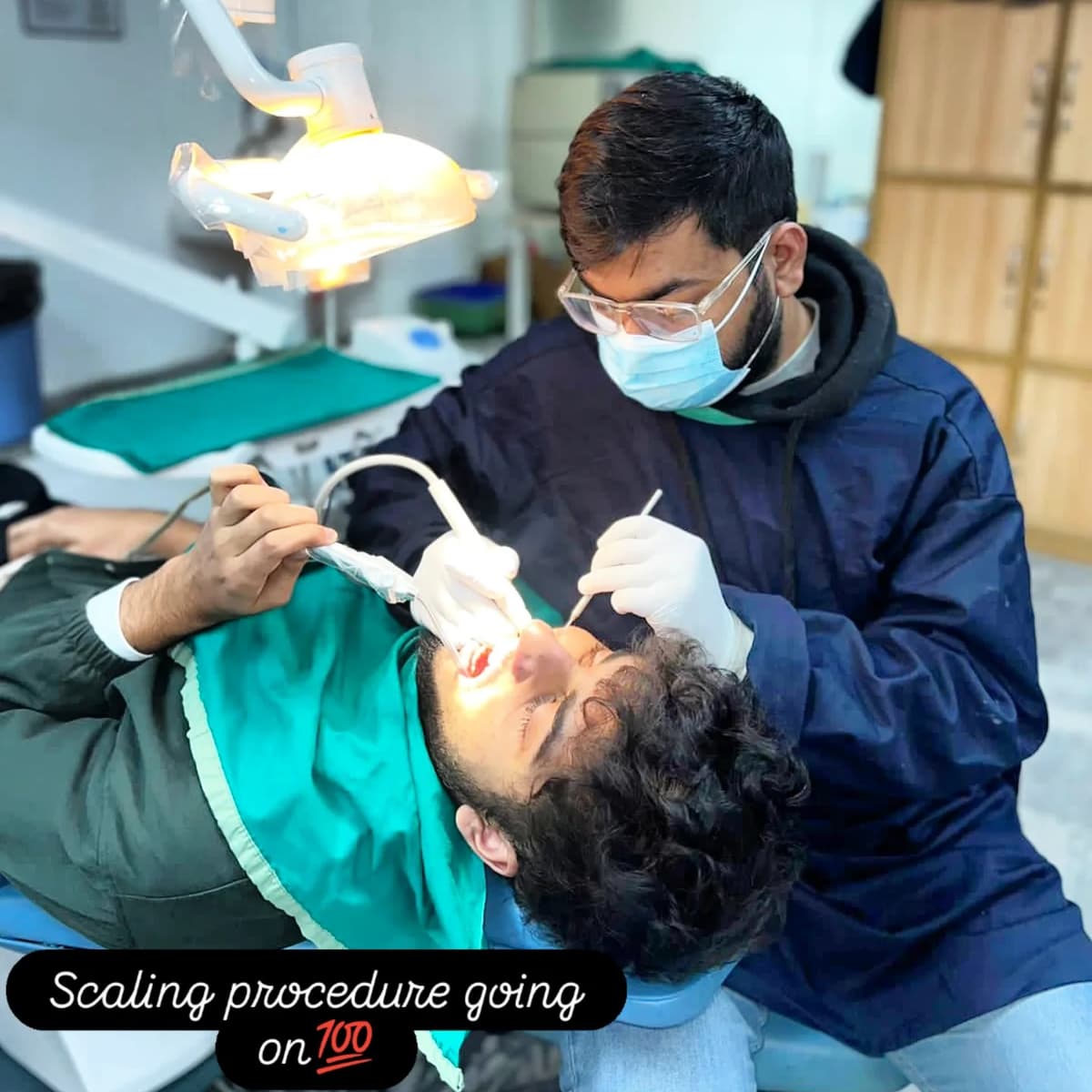
With over 10 years of clinical experience in restorative, cosmetic, and orthodontic planning, Dr. Mian Momin Ahmad delivers measured, individualised treatment for every malocclusion case at Odonto.
Book AppointmentQualifications & Certifications
Specializations
Clinic Location
Plot #7, Shop #2, Main Defence Rd, Block A1 Engineers Town, Lahore, Pakistan
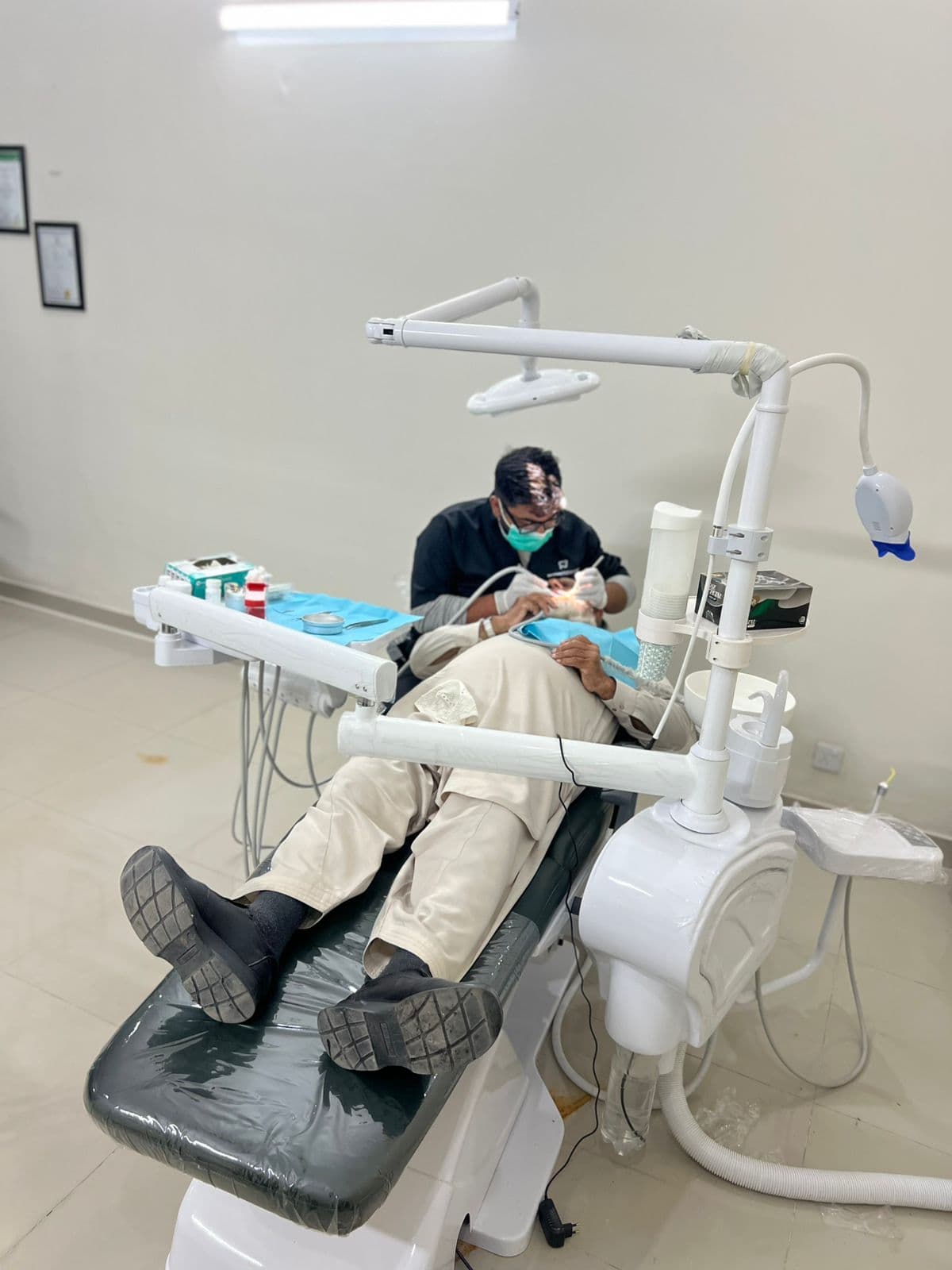 BeforeAfter
Class II crowding — 18 months
Full crowding resolved
.jpeg&w=3840&q=75) Before
Before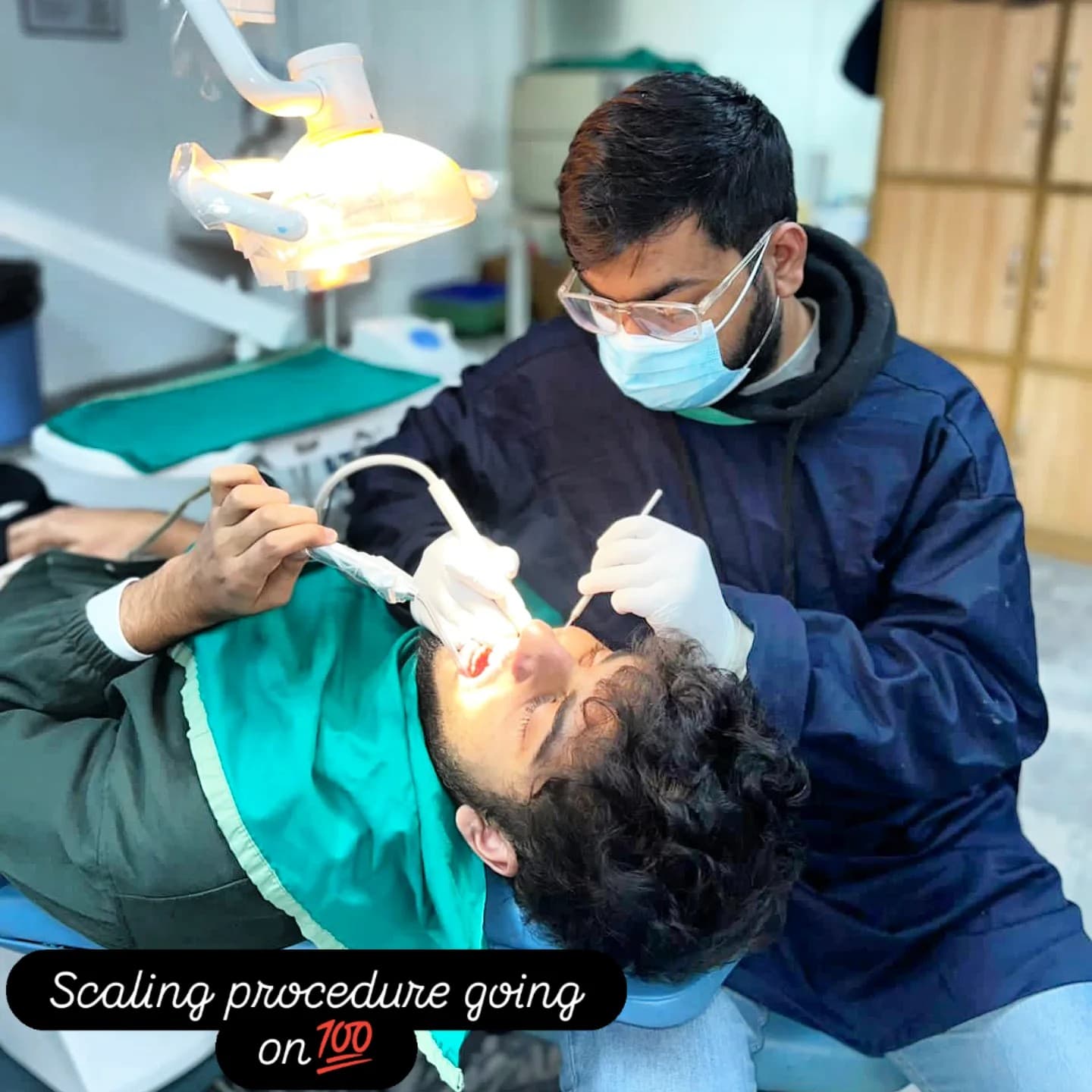 After
AfterAnterior spacing — 14 months
All gaps closed evenly
BeforeAfterOpen bite from thumb sucking
Bite fully closed, speech restored
BeforeAfterClass III underbite — adult
Functional bite, balanced profile
Malaligned teeth describes the visible crookedness or crowding. Malocclusion is the clinical term for the full bite relationship, including the jaws. Treatment planning addresses both.
Mild cases can often be corrected with clear aligners, and minor rotations can sometimes be reshaped with composite bonding. Moderate and severe cases usually still need fixed braces or surgery.
A first orthodontic screening is recommended by age 7. Early interceptive treatment between ages 7 and 10 is often shorter and simpler than waiting until the teenage years.
Orthognathic surgery is performed under general anaesthesia, so the procedure itself is not felt. Post-operative swelling and discomfort are managed with prescribed medication and usually resolve within 2 to 6 weeks.
Costs depend on the appliance type, case complexity, and treatment duration. At Odonto, the free first consultation includes a clear written quote before any treatment starts.
Yes. Adult orthodontics is common and effective. Treatment simply takes longer than in children because adult bones do not remodel as quickly.
They can. A bad bite strains the chewing muscles and the TMJ, which often refers pain to the temples and morning jaw area. Correcting the alignment frequently reduces these headaches.
Coverage varies by insurer and plan. Most private health plans in Pakistan treat orthodontics as elective, but some surgical cases may qualify. We help you understand the breakdown before you commit.
No guesswork orthodontics, no hasty plans. Dr. Mian Momin Ahmad will classify your malocclusion, map your jaw relationship, and prescribe the one treatment that will actually fix your bite.
Geographic Coverage
Odonto Dental Clinic is centrally located on Main Defence Road in Engineers Town, Lahore. Our location offers swift, direct road access to key residential communities, making premium dental treatments highly accessible for families in southern Lahore.