Dental Braces in Lahore: Types, Cost & Procedure
Dental braces in Lahore are the proven long-term fix for crooked teeth, gaps, overbite, underbite and crossbite. At Odonto we place teeth braces in four bracket systems — traditional metal, ceramic (clear), self-ligating Damon, and lingual (behind-teeth) — chosen by your dentist based on case complexity, treatment time, and how visible you want the brackets to be. Full orthodontic treatment runs 12 to 24 months with monthly adjustments included. The dental braces price in Pakistan at Odonto starts from PKR 80,000 — written quote before any tooth is bonded. We treat patients from across Lahore as well as dental braces in Islamabad, Faisalabad, and Karachi who travel for the full treatment package.
 PMDC certified
Brackets and a wire that move teeth into the right place.
Dental braces are a system of small brackets bonded to each tooth and connected by an archwire. The archwire applies gentle, continuous force that moves the teeth gradually into a planned position over 12 to 24 months. The result is a straight set of teeth and a bite that meets evenly.
Braces are used for crowding, gaps, rotated teeth, deep overbites, underbites and crossbites — the full range of orthodontic problems. Some cases need elastics worn between the upper and lower jaws to correct the bite. Some need an extraction or two to make room for crowded teeth. Every case is planned individually at the records appointment.
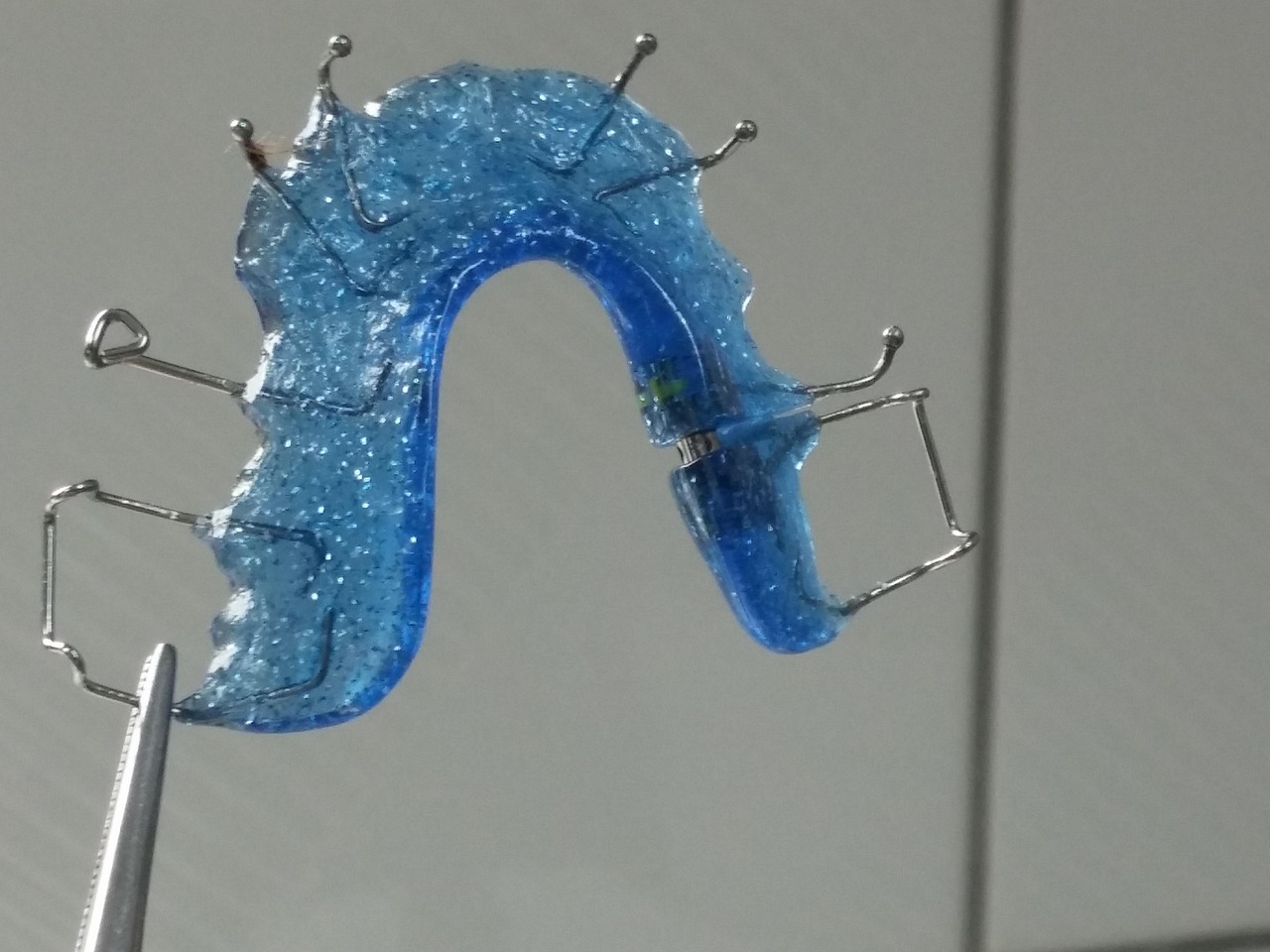
The four bracket systems we work with at Odonto — metal, ceramic, self-ligating Damon, and lingual — each have a clear use case. Plus clear aligners as an alternative for milder cases. The video on the right walks through the journey from bonding day to debond.
Six signs you might benefit from orthodontic treatment.
Not every imperfect smile needs braces. But when one of these signs is present, braces dental work is usually the longest-lasting fix — and often the most cost-effective when you account for decades of healthier teeth, gums, and jaw.
Crowded or crooked teeth
Teeth that overlap, twist, or sit out of line. The most common reason patients ask about teeth braces. Crowding traps plaque, makes flossing painful, and pushes the front teeth out of a healthy smile arc.
Deep overbite
When the upper front teeth bite too far over the lower teeth, the lower incisors can dig into the palate or wear down quickly. An overbite that hides the lower teeth almost entirely is a classic braces case.
Underbite or crossbite
The lower jaw sitting forward of the upper, or one or two teeth biting on the wrong side of their opposite tooth. Left untreated this causes uneven wear, jaw asymmetry and sometimes TMJ pain by the late twenties.
Visible gaps between teeth
A diastema between the upper front teeth, or scattered spacing across the arch. Gaps can be cosmetic only, or they can be a sign of missing teeth or unusual eruption patterns. Braces close them predictably.
Jaw pain or clicking
A bite that does not meet evenly forces the jaw muscles to compensate. The result is morning jaw soreness, TMJ clicking, and headaches. Correcting the bite with orthodontic treatment often resolves the cause rather than the symptom.
Difficulty cleaning between teeth
Floss that snags, gums that bleed in one or two spots no matter how careful you are — these are usually crowding or rotation problems hiding in plain sight. Aligned teeth are dramatically easier to keep clean for the rest of your life.
Six reasons orthodontic treatment is worth the 18 months.
A finished orthodontic case is one of the highest-leverage things you can do for your teeth. Aligned teeth are easier to keep clean, more durable, and look better in every photograph for the next forty years.
Straighter teeth, healthier smile arc
The visible benefit, but also the most lasting. A properly aligned arch flatters the lips and the face on every photograph for the next forty years — patients tell us they stopped hiding their smile within three months of bonding day.
A bite that distributes force evenly
When upper and lower teeth meet evenly, no single tooth takes more wear than the others. That is the difference between teeth that last a lifetime and teeth that need crowns at fifty because the bite was off and one tooth wore down faster than the rest of the arch.
Easier daily oral hygiene
Crowded teeth trap plaque in places a brush cannot reach. After braces, flossing is simpler, gum health improves dramatically, the routine 6-month scaling visit becomes much shorter, and the long-term risk of gum disease drops significantly.
Resolves jaw pain & TMJ symptoms
Many patients in their late twenties and thirties have tension headaches or morning jaw soreness from a deep bite or crossbite forcing the jaw muscles to compensate every minute of the day. Aligning the bite removes the underlying cause for most cases — usually within four to six months of bonding.
Long-term result with retainers
A finished orthodontic case held with a retainer is stable for life. The 18 months you spend in braces buys decades of straight, healthy, predictable teeth — and dramatically reduces the chance of needing complex restorative work in your forties and fifties.
Improved speech & confidence
Severe gaps, an open bite, or a pronounced overjet can affect certain sounds — and certainly affect how confident you feel speaking in public, on camera, or at job interviews. The most common feedback we hear at debond: "I smile in photographs again, and I noticed I started speaking up more in meetings."
Five teeth braces options. One that fits.
We deliver orthodontic treatment in four bracket systems plus clear aligners as an alternative. Each is below — pros and cons listed honestly so you can pick what fits your case, your timeline, and your budget.
 Most affordable
Traditional metal braces
Stainless steel brackets bonded to the front of each tooth and connected with a steel archwire. The workhorse of orthodontics worldwide. Strongest force, smallest brackets, and the lowest price. The right choice for complex movements and budget-conscious cases.
 Tooth-coloured
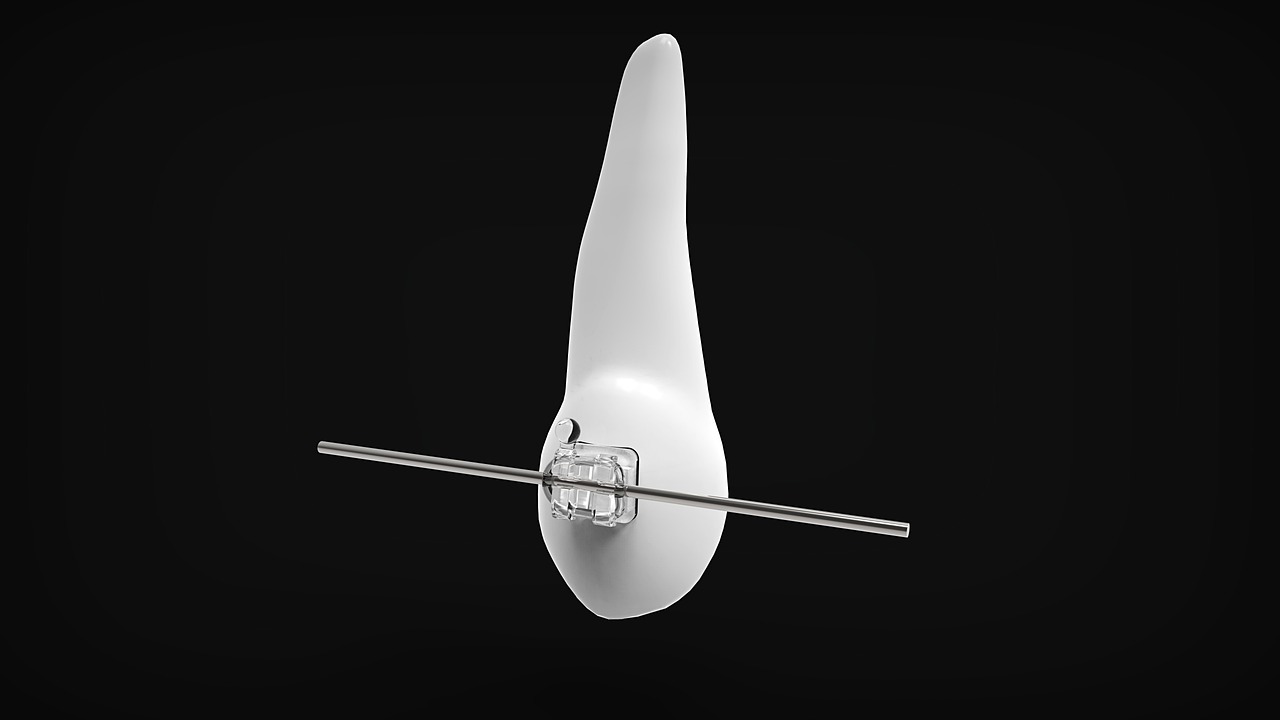
Ceramic (clear) braces
Tooth-coloured ceramic brackets bonded to the front of the teeth. From conversation distance most people do not notice them. The popular adult choice for visible teeth where mild to moderate movement is needed.
Self-ligatingDamon-style self-ligating
Self-ligating brackets with a built-in clip that holds the wire — no elastic ligatures needed. Lighter forces, fewer adjustment visits, and slightly faster finishing for many cases. A modern upgrade on the traditional metal system.
Hidden behind teethLingual (behind-teeth) braces
Brackets bonded to the inside (tongue side) of the teeth — completely invisible from the front. Custom-made for each patient. The choice when work or social life makes any visible bracket impractical, and when aligners are not suitable for the case.
Removable alternativeClear aligners (alternative)
Not braces strictly speaking — a series of clear, removable plastic trays that move teeth gradually. Best for mild to moderate cases. We mention them here because every braces consultation at Odonto compares both options openly so you can choose.
Transparent pricing. Written quote before any tooth is bonded.
Braces cost in Lahore at Odonto is fixed per bracket type and per case. The prices below are full-treatment, all-inclusive: records, brackets, archwires, monthly adjustments for 12–24 months, debond, and post-treatment polish. Retainers are quoted separately. The free 15-minute consultation always includes a written quote before any treatment begins.
| Bracket type | Full treatment |
|---|---|
| Traditional metalStainless steel · workhorse | PKR 80,000 |
| Ceramic (clear)Tooth-coloured brackets | PKR 120,000 |
| Self-ligating DamonModern self-clip system | PKR 140,000 |
| Clear aligners (alt.)Removable plastic trays | PKR 180,000 |
| Lingual (behind teeth)Custom · invisible from front | PKR 220,000 |
| Retainer (per arch)Removable clear retainer | +PKR 8,000 |
| Complex case adjustmentSevere crowding / extractions | +PKR 15,000–30,000 |
| Pre-treatment scalingRequired before bonding day | +PKR 4,500 |
| Single arch onlyWhen clinically appropriate | ~60% of full |
For both arches of metal braces, moderate case, retainer included.
Ten factors that shape your dental braces price.
Braces cost in Lahore looks confusing because the spread is so wide — PKR 40,000 at one clinic, PKR 350,000 at another. The ten factors below explain almost the whole difference.
Bracket type chosen
Metal is the cheapest, lingual is the most expensive. Ceramic and self-ligating sit between. The single biggest factor in the dental braces price in Pakistan — and the one most patients spend the longest deliberating at the consultation.
Case complexity
Mild crowding or a simple gap closure costs significantly less than a complex bite reconstruction with two extractions and twelve months of elastic wear. We grade every case mild / moderate / complex at the records appointment and price accordingly. The complexity adjustment is shown as a separate line item on every written quote.
Single arch or both arches
Many cases need both arches treated together so the bite finishes correctly — moving only the upper teeth without addressing the lower means the new arrangement still won't bite properly against the untreated lower teeth. Single-arch (only upper or only lower) costs roughly 60% of the full quote when it is clinically appropriate.
Treatment duration
A 12-month case costs less to deliver than a 24-month case — fewer adjustment visits, fewer archwires used, less chairtime overall. We give a realistic timeline at the records appointment based on the actual movement required, not an optimistic guess to win the case.
Government dental hospital vs private clinic
Government and teaching hospitals offer subsidised orthodontic treatment with junior dentists and longer waits between adjustments. Private clinics in Lahore charge full market price, and in return you see a senior clinician on the same week and the case runs on a predictable monthly cycle.
Specialist orthodontist vs general dentist
A specialist orthodontist with three years of post-graduate training charges 20–35% more than an experienced general dentist running orthodontic cases. We tell you upfront which operator is right for your case and refer to a specialist within our network when the complexity demands it.
Pre-treatment work needed
Some cases need scaling, fillings, an extraction, or even periodontal therapy before braces can be safely bonded. These are quoted as separate line items on the written quote — never bundled into the headline figure to make the bracket price look lower than it is.
Retainers after debond
Retainers are essential after braces — never optional, and never a separate decision. PKR 8,000 per arch for a removable clear retainer at Odonto. Some cases need both a fixed wire retainer behind the front teeth and a removable clear retainer for night wear.
Records and X-rays
Pre-treatment OPG, lateral cephalogram X-ray, study models or digital intra-oral scan, and a full series of clinical photographs are required for any orthodontic case. Most clinics include this in the bracket quote — our written estimate confirms exactly what is included so there are no surprises.
Follow-up reviews & warranty
Six-month retainer reviews, broken bracket re-bonds, lost ligatures, mid-treatment X-rays — most are included in the headline quote at Odonto for the duration of treatment. Out-of-clinic emergency visits attract a small fee but are kept to the minimum because routine issues are handled at the next monthly adjustment.
Government dental hospital or private clinic?
Both are legitimate options. Here's the honest comparison so you pick the right one for a treatment that takes 18 months and matters for the rest of your life.
Subsidised, but with trade-offs.
Lahore has good government and dental teaching hospitals — Mayo, Punjab Dental Hospital, the public-sector dental departments. Orthodontic treatment is heavily subsidised.
- ✓Significantly lower fees — sometimes 60–80% less than private
- ✓Same baseline brackets and wires as some private clinics
- ×Long appointment queues — multi-week waits between adjustments
- ×Junior dentists or house officers usually run the case
- ×Limited bracket choice — usually only metal
- ×No written quote before treatment begins
Full menu, senior clinician, same week.
Private clinics like Odonto charge full market price but you see a senior clinician at every monthly adjustment, choose any bracket type, and get a written quote before any tooth is bonded.
- ✓Senior clinician runs the case from records to debond
- ✓Four bracket options — metal, ceramic, Damon, lingual
- ✓Written quote before any treatment begins
- ✓Same-week appointments, predictable monthly slots
- ✓Itemised invoice for insurance reimbursement
- ×Higher fees than government hospital
Specialist orthodontist or experienced general dentist?
Most orthodontic work in Pakistan is done by general dentists with strong post-graduate orthodontic training. Some cases need a specialist orthodontist — a clinician with three additional years of dedicated orthodontic specialty training. Here's when each is the right call.
The right choice for most cases.
An experienced general dentist with strong orthodontic training handles 80%+ of orthodontic cases in Lahore. For mild to moderate crowding, gap closure, simple alignment, and routine adult cases — a senior general dentist is the right fit and is what you get at Odonto by default.
- ✓Mild to moderate crowding — routine
- ✓Gap closure and simple alignment
- ✓Pricing 20–35% lower than specialist
The right choice for complex cases.
A specialist orthodontist is needed for severe skeletal discrepancies, multi-extraction cases, surgical-orthodontic combinations, and complex paediatric growth-modification cases. We refer to a specialist within our network when complexity warrants it — and we tell you upfront if your case needs one.
- ✓Severe crowding requiring extractions
- ✓Surgical-orthodontic combination cases
- ✓Paediatric growth-modification appliances
Aesthetics, complexity, budget — the right pick changes by patient.
Almost every patient asks the same question at the consultation: "Which bracket type is best?" The honest answer is — it depends on what the case needs and what you want from the wear experience. Here is how we recommend.
Adult patient — visibility matters.
For adults whose work or social life makes visible brackets impractical, lingual braces are the gold standard. Ceramic is a strong runner-up at a lower price for cases where the wire being slightly visible is acceptable. Clear aligners are the right pick for milder cases where 22-hour daily wear is realistic. Metal braces are entirely fine in adults too, but few adults choose them when budget is not the deciding factor.
Teen patient — efficiency matters.
For teenagers, metal braces are usually the right call — strongest, fastest, smallest, and the cheapest. Self-ligating Damon-style brackets are a good upgrade for teens whose schedule makes monthly adjustment visits difficult. Ceramic brackets are worth considering for teenagers who are particularly self-conscious. Lingual braces are usually not recommended for teens — speech adaptation and tongue irritation are tougher in younger patients.
Twelve steps. Three pre-treatment visits, monthly adjustments, debond.
Every orthodontic treatment at our Lahore clinic follows the same protocol — whether it is a simple alignment case or a complex bite reconstruction with extractions. You see what is happening at every stage and you have the timeline in writing from visit three.
Free consultation
A 15-minute appointment to look at your teeth, understand what bothers you most about your smile, and discuss what is realistic to fix. No X-ray, no impressions — just an honest conversation and a guide-price range. Free of charge, with no expectation that you book treatment on the day.
Records appointment
Pre-treatment OPG and lateral cephalogram X-rays, full series of clinical photographs, and either alginate impressions or a digital intra-oral scan. This is the data we use to plan your case — bracket prescription, wire sequence, extraction need, elastic plan, and realistic timeline.
Treatment plan & written quote
We bring you back to discuss findings on a screen — bracket-type recommendations with reasoning, the realistic timeline, the bite issues we are correcting, the cephalometric tracing, and a written quote with every line item separated. You take a printed copy home and there is no pressure to book on the day.
Pre-treatment dental work
If you have active decay, plaque-loaded gums, an unrestored cavity, or impacted wisdom teeth that need to come out before the case, we treat that first. Bonding brackets onto compromised teeth or inflamed gums is the most common reason cases run into trouble at month four — we will not skip this step to start treatment sooner.
Bonding day — upper arch
Your teeth are isolated with cheek retractors, the enamel etched and primed, and the brackets bonded one by one with a light-cure resin. The position of each bracket on the tooth is the most important moment of the entire case — bracket position decides where the tooth ends up. The first archwire is fitted and tied in. Allow 60–75 minutes for the upper arch.
Bonding day — lower arch
Lower brackets are bonded a week or two later in most cases. We separate the two arches deliberately so you adapt to one set of brackets at a time and your sore phase is more manageable. Some patients prefer both arches in a single visit — we accommodate either preference.
Initial alignment phase
The first three to six months use light, flexible nickel-titanium wires that level and align the teeth gently. The biggest visible improvements of the entire treatment happen during this phase — friends and family start noticing the difference around month two or three.
Working phase
Stronger stainless-steel wires now move teeth into their final positions. Elastics may be added between upper and lower brackets to correct overbite, underbite, or crossbite — wearing them as instructed is what turns a good case into a great one. Monthly adjustments continue throughout.
Detailing & finishing
The final two or three months fine-tune contact points, root angles, and the bite contacts down to the millimetre. Patient cooperation with elastics in this phase is the single biggest factor in finishing on time. We confirm at every adjustment that the case is still on the predicted curve.
Debond appointment
Brackets are removed gently with a debonding plier, residual bonding adhesive is polished off the enamel surface, the teeth are cleaned and photographed against the pre-treatment images. The most rewarding visit of the whole journey — usually the moment patients tear up looking at the side-by-side.
Retainer fitting
A fixed retainer is bonded behind the upper and lower front teeth, and / or a removable clear retainer is fitted. Wear instructions are explained in detail — full-time for three months, nights only thereafter — and a printed sheet plus a video link goes home with you.
Six-month retainer reviews
We see you at 6, 12, and 24 months after debond to confirm the result is holding, the fixed retainer is intact, and the removable retainer still fits. We photograph at each review against the debond images. Standard PKR 2,500 per review at Odonto — most cases need only the three.
Six small habits that hold the result through 18 months.
The case finishes on time and with white-spot-free enamel only when daily care is consistent. Stick to the list below — both during the sore phase after each adjustment and as the routine for the rest of treatment.
Brush after every meal — gently
A soft brush in small circles around each bracket, top and bottom of every tooth. Two minutes for the upper arch, two for the lower. Special orthodontic brushes (V-trim or U-shape) are useful but not essential. Plaque at the bracket margins is the single biggest reason teeth come out of braces with permanent white-spot damage — strict brushing technique prevents this entirely.
Floss daily with a threader or interdental brush
Standard floss does not pass under the archwire so the technique has to change for the duration of treatment. Use a floss threader to feed floss under the wire, or super-floss with its built-in stiff end, or small interdental brushes between every tooth. Five minutes of flossing a day during treatment saves five hours in the dentist chair afterwards repairing decay or treating gum disease.
Soft food for 3 days after every adjustment
After bracket bonding and after each monthly adjustment, the teeth feel tender for 48–72 hours when biting. Soft food — daal, khichdi, bananas, scrambled eggs, soups, soft roti, well-cooked vegetables — gets you through the sore phase comfortably. Paracetamol or ibuprofen handles the discomfort for almost everyone.
No sticky, hard, or chewy foods
Caramel, chewing gum, popcorn kernels, hard naan crusts, ice cubes, whole apples, corn-on-the-cob, sticky desserts, and similar foods break brackets and pull wires loose. Most foods can simply be cut into smaller pieces and chewed with the back teeth — almost everything is manageable with a little care, and the food restrictions ease significantly after the first few weeks.
Use orthodontic wax for poking wires
A small ball of orthodontic wax pressed over a poking wire end stops cheek irritation in seconds. We hand you a fresh pack at every adjustment. Never push through cheek pain expecting it to settle on its own — message us on WhatsApp the same day and we slot you in for a 5-minute fix on the next clinic day.
Attend every monthly adjustment
Skipping a single appointment can add weeks to the case because the planned wire change does not happen on schedule. Adjustments take 15–25 minutes — usually quick enough to fit during a lunch break. Reschedule rather than skip — call or WhatsApp us the day before if you cannot make it and we will find another slot in the same week.
Four habits that make a finished case stable for life.
Aftercare is what you do during the 18 months. Long-term maintenance is what you do for the next forty years. The four below decide whether your orthodontic result holds — or whether you find yourself back in braces at thirty-five.
Wear retainers exactly as prescribed
Full-time for the first three months, nights only for the next nine, then a few nights per week long-term. Plan to wear retainers some nights for the rest of your life. Teeth drift back faster than you expect — relapse is dramatic in the first six months without retainers and continues at a slower pace for years afterwards. The retainer wear discipline is what separates a case that holds at thirty-five from one that needs round-two braces.
Replace your removable retainer every 2–3 years
Clear retainers wear thin, crack, or warp from heat over time — leaving them in a hot car or running them through hot dishwasher water is the fastest way to ruin one. A flattened or cracked retainer is doing nothing for the teeth. We check fit at the 12 and 24-month reviews and recommend replacement only when actually needed (PKR 8,000 per arch).
Keep the fixed retainer intact
A fixed retainer is a thin wire glued behind the front teeth — invisible from the front, comfortable for the tongue within a few days. If you feel it has come loose at one point or feels different to the tongue, message us the same day. A quick re-bond is a five-minute job, but ignoring it lets the teeth start drifting within weeks.
Six-monthly hygiene visits for life
Healthy gums hold straight teeth in place. The standard scaling and polishing visit every six months protects the orthodontic result, removes the calculus that builds up around the fixed retainer wire, and is the most under-rated part of long-term care. Booking the next visit before you leave the current one is the simplest way to keep the routine.
Six things that could go wrong — and how we handle each.
No multi-year treatment is risk-free. Most patients have a smooth eighteen months, but the six potential issues below are worth knowing about before bonding day — including how we mitigate each at our clinic.
Sore teeth for 2–3 days after each adjustment
Almost universal. A dull ache, not sharp pain — usually peaks at hour 24 after the adjustment and fades by day three. Soft food and paracetamol handle it for most patients.
Mouth ulcers and cheek irritation
Brackets and wire ends rub against the inside of the cheeks and lips, especially in the first two weeks. Small ulcers are common, the cheek tissue toughens up by week three.
White spot decalcification
If plaque sits at the bracket margins for months, the enamel under the plaque can lose minerals, leaving white chalky marks visible after debond. Permanent if not prevented — they cannot be removed by polishing alone, only masked with composite or veneers.
Root resorption (mild)
A small percentage of cases show mild shortening of tooth roots on the post-treatment X-ray — typically 1–2 mm at most. Usually clinically insignificant and the tooth functions completely normally for life.
Relapse after debond
Teeth drift back toward their pre-treatment position if retainers are not worn consistently. Especially common in the first six months after debond. Easily preventable with disciplined retainer wear.
Broken bracket or poking wire
A bracket popping off after biting into something hard, or a wire end suddenly sticking into the cheek. Inconvenient, not dangerous, and a normal part of any 18-month treatment.
Three different fixes — one of them is right for your case.
When teeth are not in the right position or the right shape, you usually have three options. The right choice depends on what is wrong, what you want long-term, and how disciplined you can be day-to-day.
Twelve answers our Lahore patients ask before bonding day.
If your question isn't here, message us on WhatsApp — we usually reply within thirty minutes during clinic hours.
How much do dental braces cost in Lahore?+
The dental braces price in Pakistan at Odonto Lahore starts from PKR 80,000 for traditional metal braces, PKR 120,000 for ceramic (clear) braces, PKR 140,000 for self-ligating Damon-style brackets, and PKR 220,000 for lingual (behind-teeth) braces. Monthly adjustments, archwire changes, and elastic instructions are all included in the headline price throughout the 12–24 month treatment.
Retainers after debond are PKR 8,000 per arch. Pre-treatment scaling (PKR 4,500) is added if your gums need attention before bonding day. Complex cases requiring extractions or significant bite correction carry a small case-complexity premium of PKR 15,000–30,000 confirmed at the records appointment. Use the cost calculator above for a realistic range. Your free 15-minute consultation always includes a written quote before any treatment begins.
How long does orthodontic treatment take?+
Most cases finish in 12 to 24 months. Mild crowding or a simple gap closure can complete in 9 to 12 months. Complex bite corrections, severe crowding, or significant rotations can take 24 to 30 months. The accurate timeline is given at the records appointment after we review your OPG, lateral cephalogram, and study models.
Skipping monthly adjustments is the single biggest factor that adds time. Patients who attend every appointment and wear elastics as instructed almost always finish on or ahead of schedule. We send a WhatsApp reminder before every adjustment so the visit fits around your schedule rather than the other way around.
Do braces hurt?+
The first three days after bracket bonding and after each monthly adjustment are the sore phase — a dull ache, not sharp pain. Soft food and paracetamol or ibuprofen handle it for almost everyone. Between adjustments the brackets are passive and should not hurt at all.
If a bracket or wire pokes the cheek, message us the same day for a quick fix — never push through discomfort. Modern self-ligating systems and light-force nickel-titanium wires have substantially reduced soreness compared to braces from a decade ago. Most patients tell us by month three the brackets are completely normal — they forget they are wearing them until they look in a mirror.
Can adults get braces?+
Yes. Roughly half our orthodontic patients are adults — many in their thirties and forties, a few in their fifties. Teeth move at any age as long as the supporting bone and gums are healthy. Adults often choose ceramic, lingual, or clear aligners for aesthetic reasons during the wear phase.
Treatment time runs slightly longer in adults than teenagers because bone remodels more slowly, but the end result is identical. Pre-treatment hygiene and gum health checks are non-negotiable for adult cases — we will not bond brackets onto compromised gums or active gum disease.
Braces vs aligners — which is right for me?+
Braces are the right choice for severe crowding, complex rotations, deep bites, surgical-orthodontic cases, and cases needing elastics or extractions. They work continuously twenty-four hours a day without depending on patient compliance.
Clear aligners are better for mild to moderate crowding and gap closure, when discipline to wear them 22 hours a day is realistic, and when invisibility during wear matters more than the treatment range. We compare both options at the consultation and recommend honestly based on your case — sometimes one, sometimes the other, occasionally a hybrid where one finishes what the other started.
Are lingual (behind the teeth) braces practical?+
Lingual braces work for the same range of cases as conventional braces and are completely invisible from the front. The trade-offs: speech adapts over 2–3 weeks (a mild lisp at first), tongue irritation is common in the first week, and they cost more because each bracket is custom-made and the wire is custom-bent for each patient.
They are a strong option for adults whose work or social life makes visible braces impractical — TV anchors, public-facing professionals, and patients getting married within the year. Not every case is suitable — we confirm at the records appointment after looking at the inside surface of your teeth and the depth of your bite.
Ceramic vs metal braces — how different do they look?+
Ceramic brackets are tooth-coloured and blend in significantly. At conversation distance most people don't notice them. The wire is still visible (silver, or tooth-coloured for a small upcharge). In photographs ceramic brackets are dramatically less obvious than metal.
Trade-offs: ceramic is slightly bulkier than metal, can be marginally slower for complex movements, and costs more. Elastic ligatures around ceramic brackets can stain with coffee, tea, or curry spices over time — switching to clear self-ligating brackets removes this issue. Metal is the workhorse — strongest, smallest, and unbeatable for complex cases. For mild to moderate adult cases where aesthetics matter, ceramic is the popular choice.
What about retainers after the braces come off?+
Retainers are essential — never optional. Without them, teeth drift back toward their original position and relapse can be dramatic in the first six months. We provide either a fixed bonded retainer (a thin wire glued behind the front teeth) or a removable clear retainer, often both for adult cases.
Wear is full-time for the first three months, then nights only, then a few nights a week long-term. Plan to wear retainers some nights for life — there is no graduation point at which retainer wear stops being useful. Retainer cost: PKR 8,000 per arch. We replace removable retainers every 2–3 years when they wear out.
Can I play sports with braces?+
Yes — but for any contact sport (cricket, hockey, football, martial arts), wear a custom orthodontic mouthguard. Standard off-the-shelf sports mouthguards do not fit well over brackets and can actually cause more harm than good in an impact by trapping the wire against the lip.
We make custom mouthguards (PKR 4,500) that fit over braces and protect the lips and cheeks from bracket lacerations. Non-contact activities like running, gym, cycling, swimming, or yoga need no special equipment. Avoid biting the rim of cups or chewing ice in iced drinks — that's how brackets snap off mid-treatment.
What is the difference between Odonto and a government dental hospital?+
Government and teaching dental hospitals in Lahore — Mayo, Punjab Dental Hospital, the public-sector dental departments — offer subsidised orthodontic treatment at very low prices. The trade-offs are long appointment queues with multi-week waits between adjustments, junior dentists or house officers handling the case under loose supervision, and limited bracket choice (usually only metal).
Private clinics like Odonto charge full market price but you see a senior clinician on the same week, choose any bracket type, and get a written quote before any tooth is bonded. Many of our orthodontic patients are people who tried the government route first and found the wait or the execution did not suit a multi-year treatment they wanted to finish on time.
Do I need a specialist orthodontist or is a general dentist fine?+
Most uncomplicated cases — mild to moderate crowding, gap closure, simple alignment, single-arch finishing — are routinely handled by an experienced general dentist with strong orthodontic training. Pricing is 20–35% lower than specialist fees and treatment outcomes are excellent for the appropriate case selection.
Complex cases — severe skeletal discrepancies, multiple extractions, surgical-orthodontic combination cases, paediatric growth-modification — are referred to a specialist orthodontist within our network. We tell you upfront which operator is right for your case at the records appointment, never inflate complexity to justify a higher fee.
Are there cheaper braces options in Lahore I should consider?+
You will find clinics quoting PKR 40,000–60,000 for full braces — these are usually general practitioners with limited orthodontic experience, or fresh-graduate offers running cases at junior pricing. Treatment outcomes can be excellent or poor depending heavily on operator skill and case selection — the bracket cost itself is rarely the bottleneck on result quality.
Government dental hospitals offer permanent orthodontic treatment at lower fees but with junior-dentist execution and longer waits between adjustments. Private clinics in Lahore charge anywhere from PKR 60,000 to PKR 350,000 per case. Odonto sits in the affordable end of the senior-clinician private range — accessible without compromising on the operator running your case.
Best orthodontist in Lahore — how do I pick?+
Three criteria, in order: (1) does the clinician have strong orthodontic post-graduate training and a senior caseload — not just a recent BDS, (2) does the clinic give you the records, the cephalometric tracing, and the written treatment plan before bonding day, and (3) are you comfortable in the chair — you will be visiting monthly for two years.
At Odonto, the consultation is free, the records are itemised on the written quote, and Dr. Momin runs the case from records to debond. We are happy if you want to compare against two other clinics before signing.
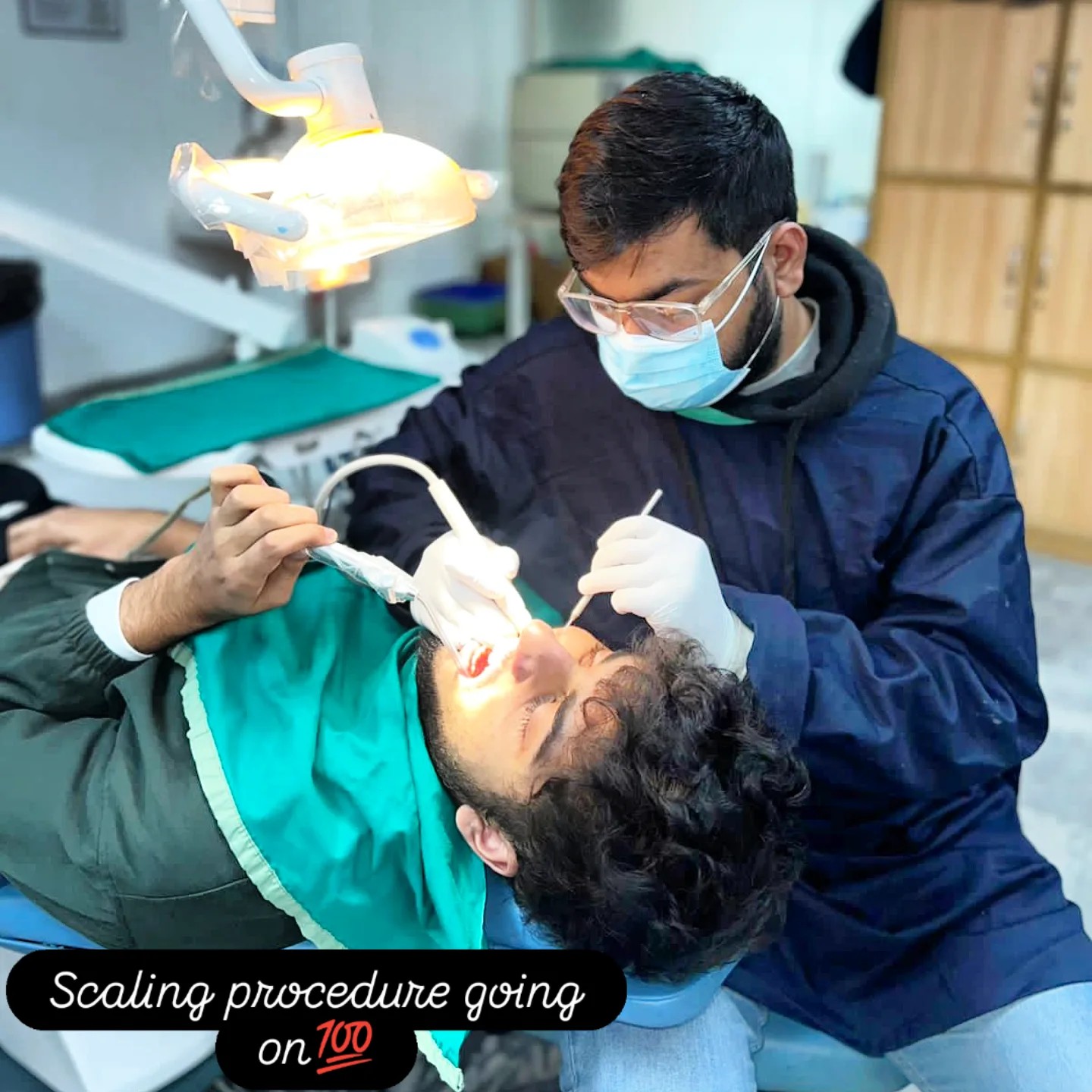
Dr. Mian Momin Ahmad
“Orthodontic treatment is the longest treatment I deliver in this clinic — eighteen months on average, sometimes twenty-six. The visible brackets are the smallest part of the work. The records, the bracket prescription, the wire sequence, the elastic instructions, and the monthly adjustments are where the case is actually won. We will recommend the simplest bracket system that finishes the case properly — never the most expensive option by default. You will see your X-ray, the cephalogram tracing, the written timeline, and the line-item quote before bonding day.”
What our braces patients said about the eighteen months.
Six recent reviews from patients who finished orthodontic treatment at Odonto. Names are accurate where the patient was happy to share them; treatment details and dates are real.
“Started ceramic braces aged 28 — I had hidden my smile for years because of crooked front teeth. Eighteen months later, I am the one in every group photo at the front. Worth every rupee, every monthly visit.”
“Got Damon self-ligating braces after the consultation showed me the difference vs traditional metal. Finished in 14 months instead of 20. The fewer adjustment visits made it work around a demanding job.”
“Lingual braces because I am on TV regularly — no one knew I was in treatment. The first two weeks were uncomfortable with my speech, then it became completely normal. Result is exactly what we discussed at the consultation.”
“Metal braces for my fourteen-year-old daughter. Three years on retainer wear and her teeth are still perfectly straight. The honest pricing was the part I appreciated most as a parent.”
“I was quoted higher prices at two other Lahore clinics — one quoted 280,000 for the same metal braces case. Odonto was transparent and Dr. Momin actually showed me the cephalogram and explained the bite issue.”
“Finished orthodontic treatment last year after a complex case with two extractions. The team was patient through every adjustment, every elastic instruction, every soft-food complaint. Result is everything I wanted.”
Real Lahore patients. Real outcomes.
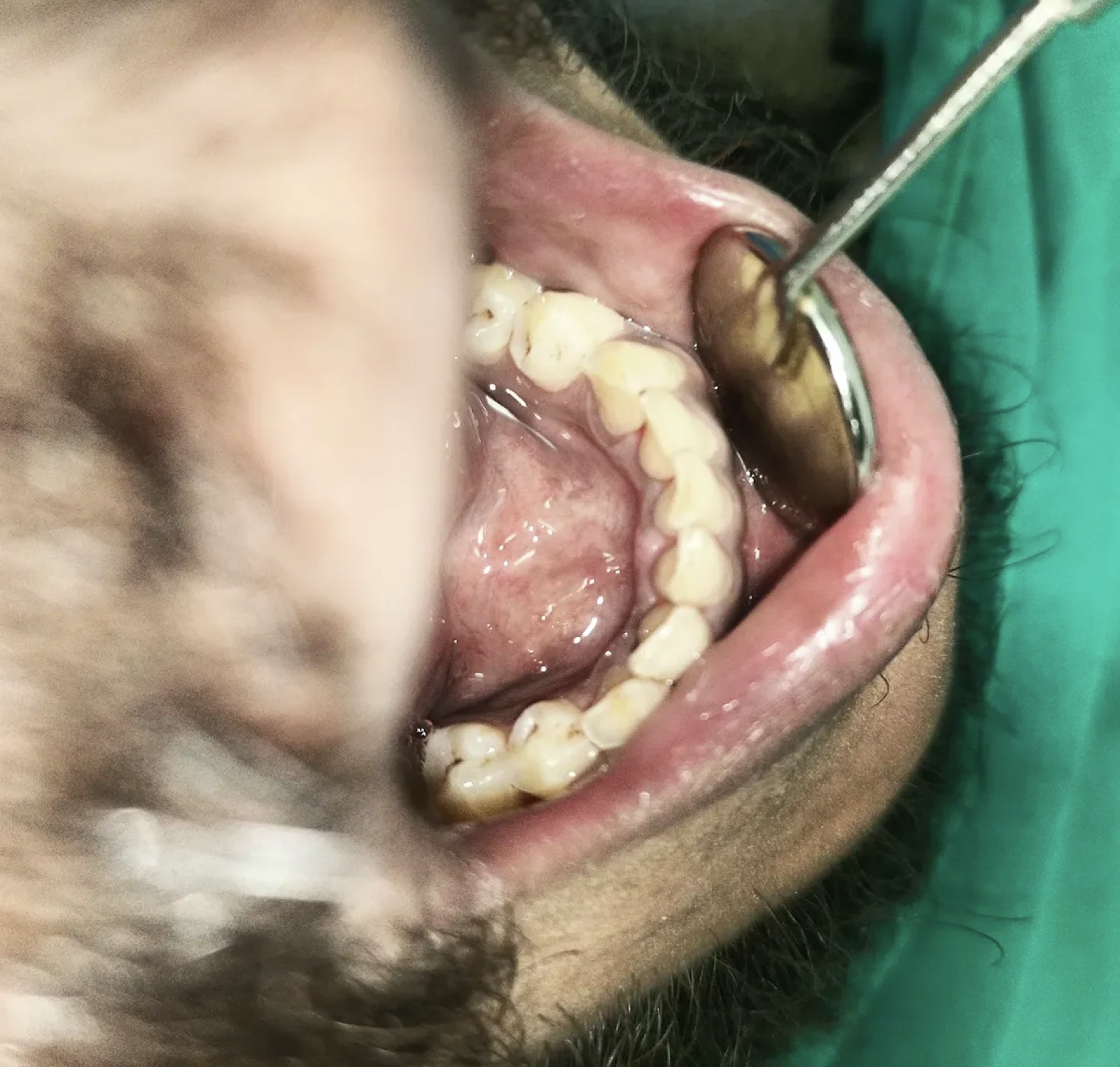
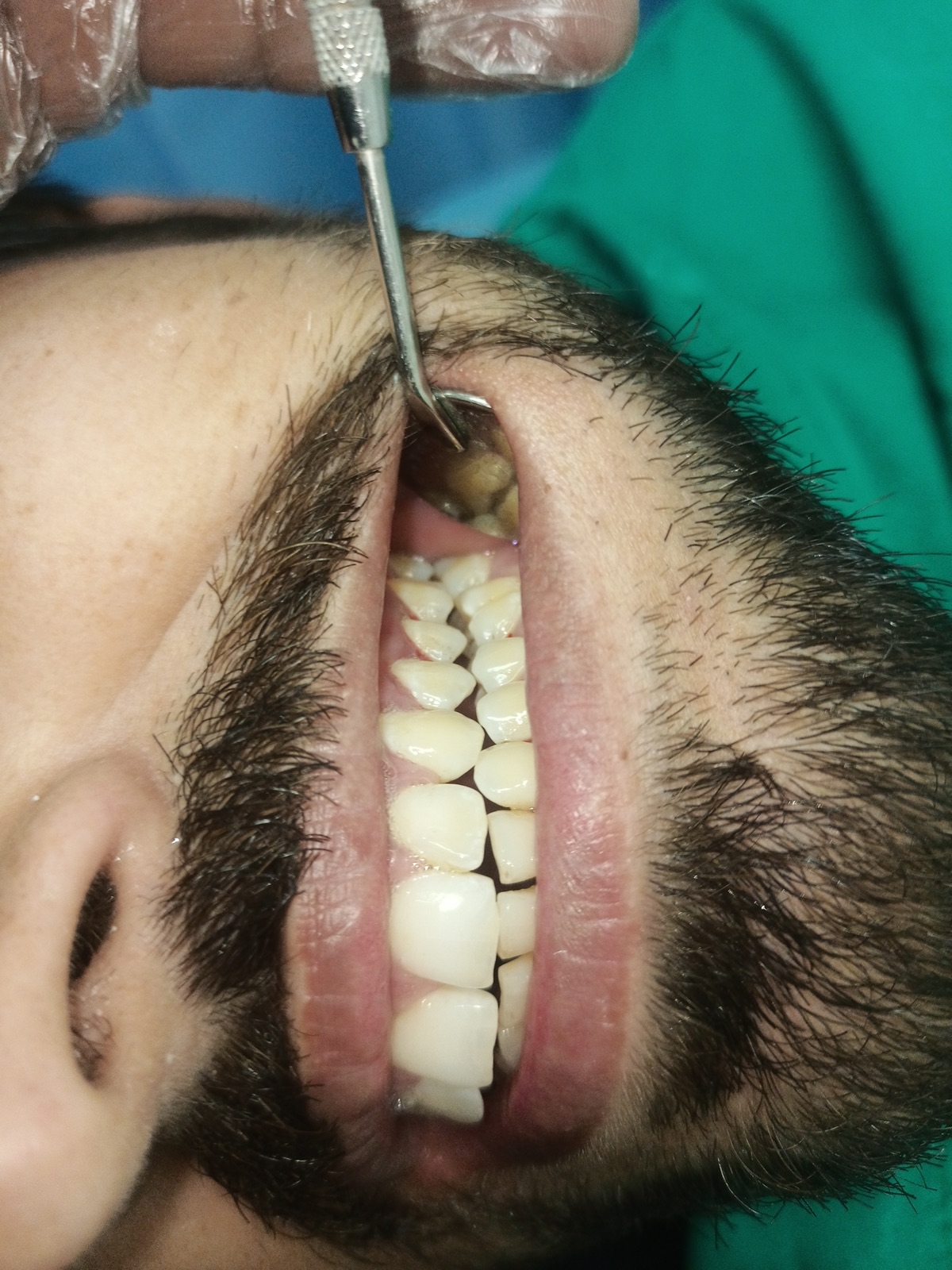
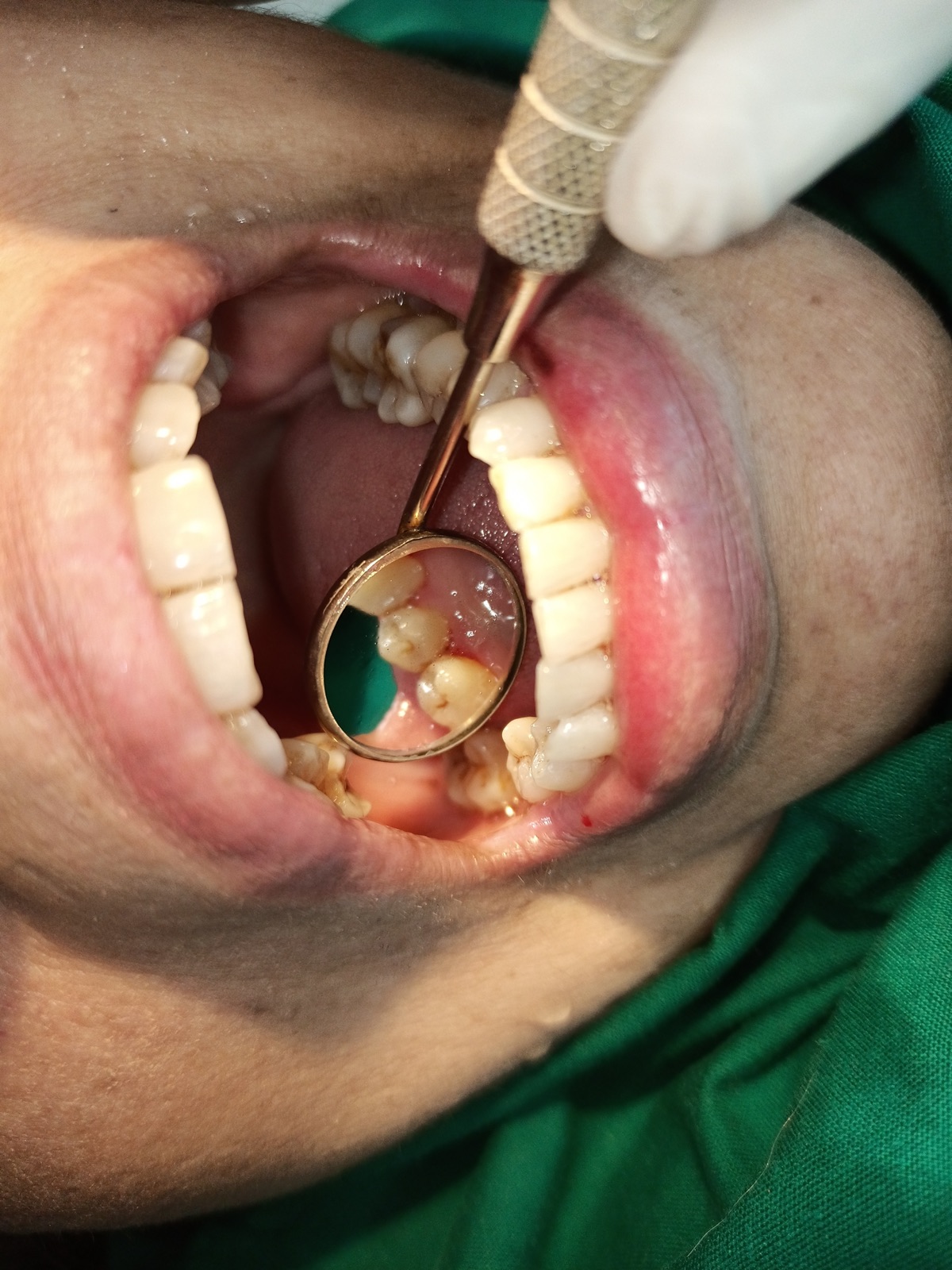
Long-form case studies from our patient archive. Every photo was taken in our Engineers Town clinic with patient consent. Pre-orthodontic hygiene visits like these are the foundation of every orthodontic case.
Four ways to pay for your braces.
Orthodontic treatment is a multi-year commitment, and we don't want cost to be the reason a teenager goes through life with crooked teeth. The four payment paths below cover almost every patient's situation — discussed openly at the consultation, no pressure, no awkwardness.
Treatments, problems, and terminology.
Related treatments
Straight teeth. Properly aligned bite.
Book a free 15-minute consultation. We'll examine your teeth, discuss bracket options, hand you a written quote — and you decide from there. There is no pressure to bond the brackets the same week, and there are no hidden charges if you do.