
Endodontics in Lahore, explained without the panic.
When a tooth hurts badly, the first question is simple: can it be saved? At Odonto, severe tooth pain, deep cavities, cracks, swelling and failed old treatments are assessed carefully before anyone talks about removing the tooth.
- Root canal therapy, retreatment and cracked tooth assessment under one roof.
- Digital radiographs, careful testing and restoration planning before treatment starts.
- Same day emergency slots for swelling, night pain and dental abscess symptoms.
- Written treatment plan, including whether a filling, onlay or crown will be needed later.
The specialty that treats tooth nerve pain, infection and root canals.
Most patients do not arrive asking for a specialty. They arrive with a toothache that is keeping them awake, a swelling that is getting worse, or a radiograph that looks worrying. The first job is to identify the source of pain and decide whether the tooth has a predictable future.
Inside every natural tooth is a small space containing pulp tissue: nerves, blood vessels and connective tissue. When a deep cavity, repeated filling, crack, trauma or leaking crown allows bacteria to reach that pulp, the tooth can become inflamed or infected. Early pulp inflammation may feel like sensitivity. Advanced pulp infection can cause severe toothache, swelling, a bad taste, pus drainage or a dark shadow around the root on a radiograph.
A general filling repairs the outside of a tooth. Root treatment deals with the inside. The infected pulp is removed, the canals are cleaned and disinfected, and the roots are sealed so bacteria cannot keep feeding the infection. After that, the tooth needs a strong final restoration so it can handle chewing.
The goal is not to "do a root canal" at any cost. The goal is to make a good decision. If the tooth is restorable and the bone can heal, saving it is usually sensible. If it is split, too loose, or too broken to rebuild, we explain replacement options instead of pretending every tooth can be rescued.
Diagnosis before drilling
Cold testing, bite testing and radiographs help identify the exact tooth before treatment starts.
Modern canal cleaning
Rotary files, irrigation and measured canal depth improve precision in curved or narrow canals.
Restoration planned from day one
The tooth also needs a filling, onlay or crown that seals it well after symptoms settle.
When a tooth needs more than a filling.
Not every toothache needs root treatment. Some teeth need a filling, gum treatment, bite adjustment or wisdom tooth care. These signs make a deeper assessment more urgent.
Severe toothache
Deep throbbing pain, especially at night, often means the pulp is inflamed or infected.
Lingering sensitivity
Cold or hot pain that stays after the trigger is removed deserves a proper pulp test.
Swollen gum or face
A swelling, gum boil, pimple or bad taste may mean infection is draining from the root area.
Pain on biting
Pressure pain can come from pulp inflammation, a cracked tooth or infection around the root.
Dark tooth
A grey or brown tooth after trauma may indicate internal pulp damage even when pain is mild.
Old treated tooth hurts
A tooth can reinfect if leakage occurs, a canal was missed or the final crown was delayed.
The procedure matters. The decision before it matters more.
A procedure list is useful, but it is not enough for someone in pain. You need to know which tooth is causing the symptoms, whether infection is present, whether an old treatment can be corrected, whether a crack changes the prognosis, and whether a crown will be needed after the pain is gone.
Our consultation follows that order: diagnose the source, control symptoms, save the tooth if the prognosis is good, restore it properly, and recommend replacement when saving it would be unreliable.
Treatment options we may discuss.
The treatment plan depends on diagnosis, tooth structure, root anatomy, infection level and whether the final restoration can protect the tooth. These are the common paths after examination.
Root canal therapy
For teeth where decay, injury or infection has reached the pulp. The aim is to relieve pain, disinfect the canals and keep the natural tooth working.
Retreatment
For a previously treated tooth that still hurts, swells or shows infection on a radiograph. We check for leakage, missed anatomy and whether the tooth can be restored well.
Cracked tooth diagnosis
Cracks can cause sharp pain on chewing, release pain or vague sensitivity. Testing helps decide whether a filling, crown, root treatment or removal is the right path.
Emergency tooth pain relief
For night pain, swelling, deep cavity pain, lingering hot and cold sensitivity or pressure pain. The first visit focuses on diagnosis and getting symptoms under control.
Dental trauma and broken teeth
When a tooth is hit, fractured or loosened, timing matters. We assess the root, pulp vitality and restoration options before deciding on treatment.
Apicoectomy
For selected teeth where infection around the root tip persists and standard retreatment is not enough. We explain surgical and nonsurgical options clearly.
How treatment is planned.
The first appointment is about control: control the pain, control infection, and avoid treating the wrong tooth. Dental pain can be referred from an adjacent tooth, a gum pocket, a sinus area, the jaw joint or a cracked filling. Testing keeps the plan honest.
Once the diagnosis is clear, local anaesthesia is given and the tooth is isolated. The canals are then located, cleaned, shaped and irrigated. Some cases can be completed in one sitting. Others need a medicated dressing and a second visit because swelling, drainage, severe infection or complex anatomy makes staged treatment safer.
After the canals are sealed, the final restoration matters. A front tooth with a small access opening may only need composite bonding. A molar with a large cavity often needs a crown because removing infection does not make thin walls strong again. We explain this before treatment so the total cost is not a surprise.
Diagnosis and radiograph
We listen to the pain history, test the tooth, check the bite and take radiographs so the source is clear.
Local anaesthesia and isolation
The tooth is numbed fully. Isolation keeps saliva away and gives the dentist a clean working field.
Cleaning and disinfection
Small instruments and disinfecting solutions remove infected tissue and shape the canals carefully.
Sealing and restoration plan
The canals are sealed, then we plan the filling, onlay or crown needed to protect the tooth.
Severe tooth pain should not wait.
Message us your symptoms and we will guide you to the right appointment slot.
Saving a tooth is usually best when the tooth can be restored.
Root treatment and extraction can both remove infection. The difference is what happens after. Saving the tooth keeps the natural root in the jaw and allows it to function again with the right restoration. Removing it creates a space that may later need an implant, bridge or denture.
The honest answer is not "always save" or "always extract." It is prognosis. We look at remaining tooth structure, crack direction, gum support, root length, bone loss, oral hygiene, bite force and budget. If a tooth has a reasonable long term prognosis, saving it is conservative. If it is unrestorable, extraction may be the cleaner and more predictable decision.
Saving the tooth makes sense when
- The root is intact and the tooth can be sealed with a filling or crown.
- Pain is from infected pulp, not a vertical root fracture.
- The surrounding bone has a good chance to heal after disinfection.
- You want to preserve chewing, bite stability and natural tooth feel.
Consider extraction when
- The tooth is split, deeply fractured or broken below the gum line.
- There is severe gum disease with mobility and poor bone support.
- Decay extends too far under the gum to build a reliable restoration.
- Retreatment prognosis is poor and replacement is more predictable.

Dr Irsam Haider
Specialist support for tooth pain diagnosis, root canal therapy, retreatment, operative dentistry and tooth saving treatment planning at Odonto.
The profile folder lists Dr Irsam Haider with postgraduate training in operative dentistry and this specialty, plus MRCPS from the Royal College of Physicians and Surgeons Glasgow. For patients, that matters because these cases are detail heavy: diagnosis, canal anatomy, file control, disinfection, retreatment decisions and restoration timing all affect whether a tooth remains comfortable long term.
At Odonto, specialist care is paired with a restorative view. The appointment is not treated as an isolated event; we also plan the buildup, filling, crown, bite adjustment and follow up needed to protect the tooth after the pain is gone.
Technical terms, translated for patients.
Some patients hear unfamiliar words during consultation: rotary files, K files, working length or recapitulation. You do not need to memorize them, but knowing the plain meaning makes the plan less intimidating.
Rotary files are small flexible instruments used to shape canals. Hand K files are useful for exploring narrow anatomy and keeping the pathway open. Working length is the measured depth of the canal. Radiographs and electronic apex locators help confirm that measurement.
These details are not trivia. They are the difference between a canal that is cleaned, sealed and comfortable, and one that remains short, blocked, missed or contaminated. Patients do not need to supervise the technical work, but they deserve a measured and documented plan.
Why radiographs matter
Radiographs help show root length, canal curves, bone infection, old root filling quality, missed anatomy and whether a crown or post may complicate retreatment.
Single sitting vs multi visit RCT
Single sitting can be appropriate for many cases. Multi visit care is useful when infection, drainage, swelling or symptoms need medication and reassessment.
Success depends on the final seal
A well cleaned canal can still fail if the tooth leaks later. That is why the final filling, crown and bite adjustment are part of the plan.
Recent care at Odonto
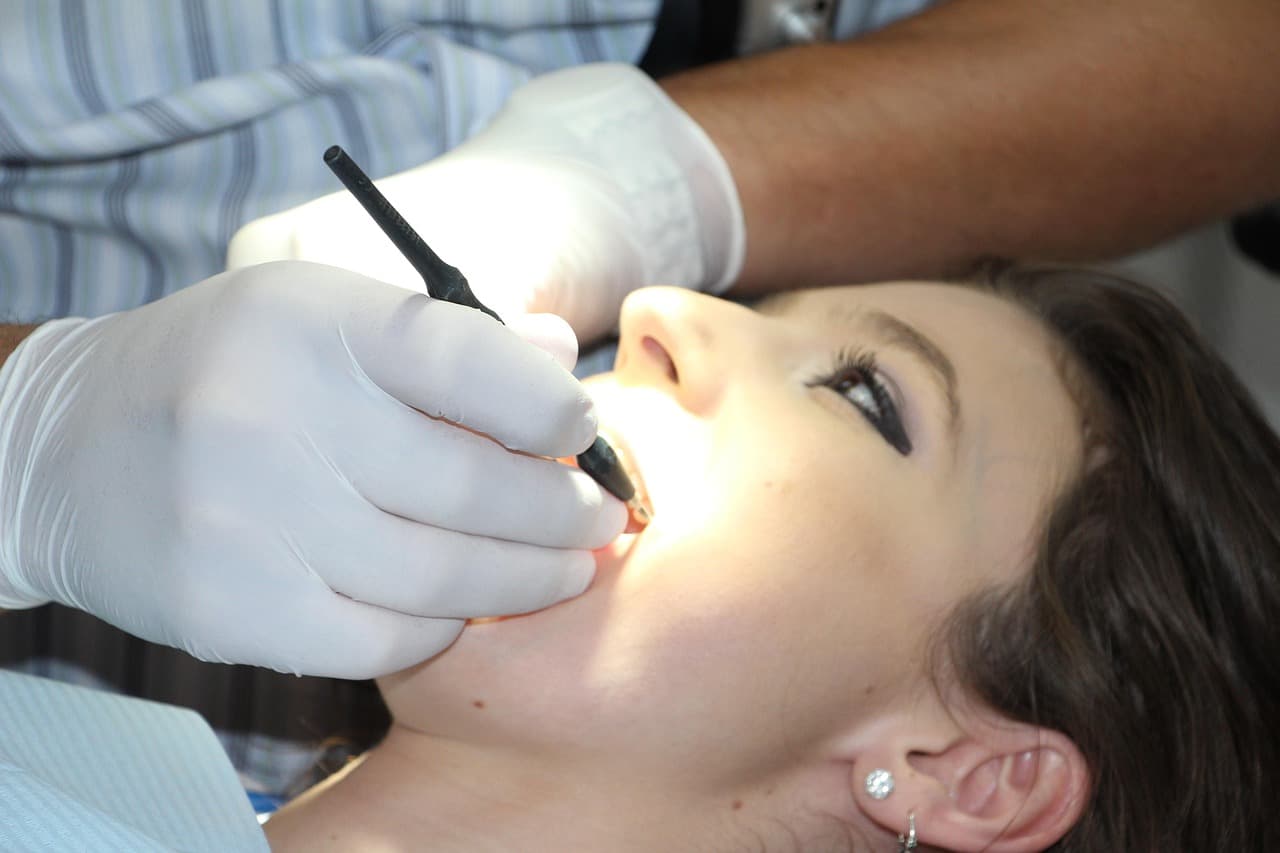
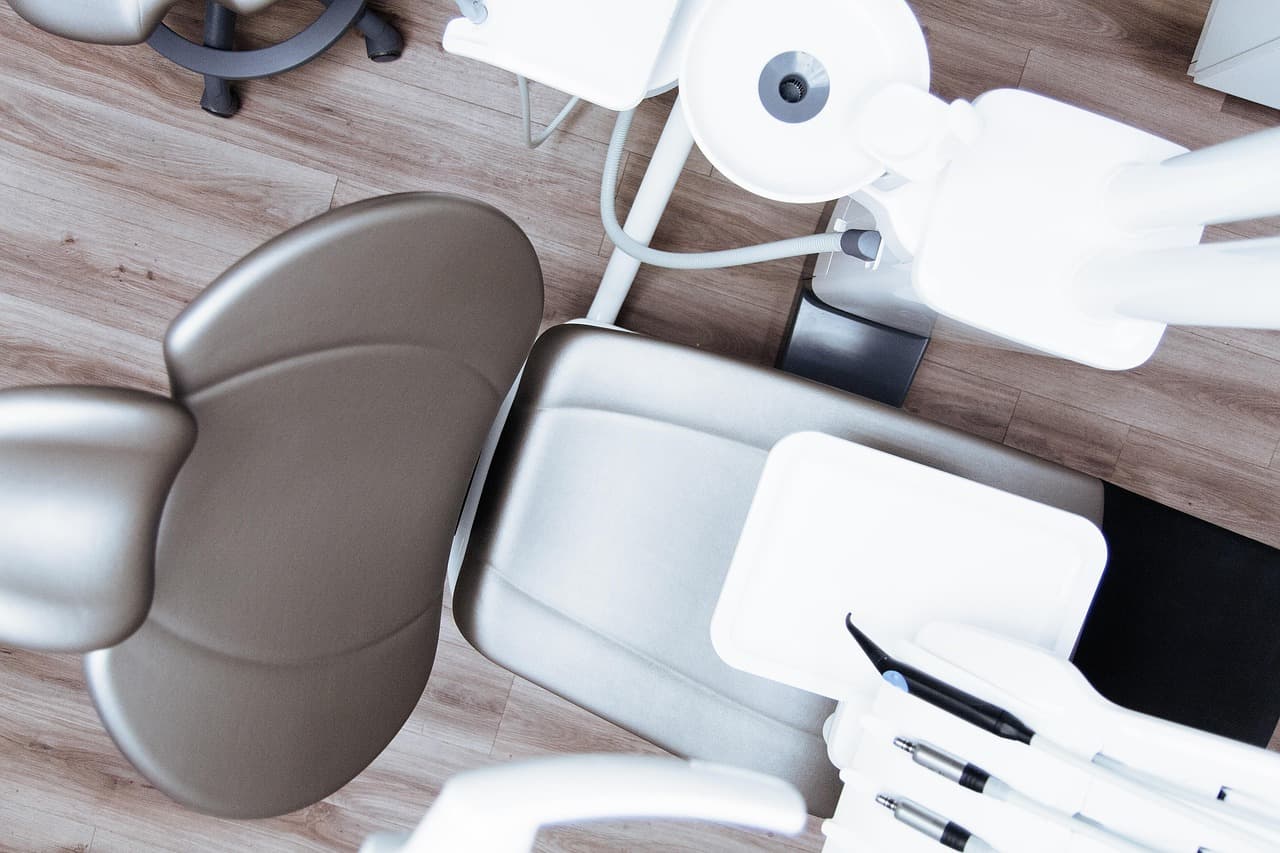
A look at tooth pain diagnosis, root canal planning and the clinic environment. Treatment photographs are shared only where consent is available, and results vary by case.

Want to see more clinic updates and patient education?Follow Odonto on social channels or message us for the most relevant examples before your visit.
Book an appointmentQuestions patients ask before booking.
Straight answers for patients comparing tooth saving care, retreatment, extraction and emergency dental pain appointments.
What is endodontics dentistry?
Is endodontics the same as root canal treatment?
Is root canal treatment painful?
What is working length in endodontics?
What is recapitulation in endodontics?
What is the role of radiographs in endodontics?
Can a failed root canal be saved?
Root canal vs extraction: which is better?
Do I need a crown after endodontic treatment?
How quickly should I book if I have facial swelling?
Book at Odonto on Main Defence Road.
Odonto Dental and Aesthetic Clinic is located on Main Defence Road, Block A1, Engineers Town. If you are in acute pain, message first so the team can guide you on timing, pain medicine precautions and whether swelling needs urgent attention.
Bring any old radiographs, prescriptions, crown records or previous treatment notes if you have them. If you do not, that is fine; we can start with a fresh examination. Avoid placing aspirin or painkillers directly on the gum, and do not delay treatment if swelling is increasing.
Phone
+92 320 6373744Hours
Open daily, 11 AM to 10 PM
Address
Plot # 7 Shop # 2, Main Defence Rd, Block A1, Engineers Town, Lahore
Booking
Confirm slot on WhatsAppRelated pages for the full treatment journey.
Tooth pain care often connects with restorative, emergency and replacement dentistry. These pages help you compare the full path before and after treatment.
Root Canal Treatment
Cost, procedure, recovery and aftercare for standard RCT in Lahore.
After RCTDental Crowns
Why molars and premolars often need crown coverage after root canal treatment.
Early decayTooth Fillings
When a cavity can still be repaired before it reaches the pulp.
AlternativeTooth Extraction
When removing and replacing the tooth is more predictable than saving it.
ReplacementDental Implants
Replacement planning when a tooth cannot be saved predictably.
CasesRoot Canal Before & After
Real Odonto root canal case files and radiographic treatment stories.