Dental Bonding in Lahore: Cost, Procedure & Before/After
Dental bonding in Lahore is the single-visit fix for a chipped front tooth, a gap between the upper centrals, a single dark tooth, or a peg-shaped lateral. At Odonto, we sculpt premium composite bonding directly onto the tooth — no drilling for 80% of cases, no anaesthesia, no lab wait. The full cosmetic bonding procedure is finished in 30 to 60 minutes per tooth and you leave the chair with the result already cured and polished. The dental bonding price in Pakistan at Odonto starts from PKR 4,500 per tooth — no hidden charges.
 PMDC certified
A tooth-coloured composite, sculpted onto your tooth in one visit.
Dental bonding — also called composite bonding or tooth bonding — is a cosmetic procedure where a tooth-coloured composite resin is sculpted directly onto the front surface of a tooth and hardened with a blue light. The composite chemically bonds to the enamel and becomes part of the tooth.
Bonding is used to fix small chips, close gaps, mask a single discoloured tooth, lengthen a short tooth, reshape a peg lateral, or cover an exposed root from gum recession. It is fundamentally an anterior-only treatment — bonding is for the front teeth that show in your smile, not for the back chewing teeth.
The whole procedure is finished in a single visit, usually 30 to 60 minutes per tooth, with no drilling and no anaesthesia for the vast majority of cases. The video on the right walks you through how the composite is placed, shaped, cured, and polished — start to finish — on a real tooth.
Six signs dental bonding can fix.
Bonding is the answer for a specific list of cosmetic problems on the front teeth. If your case looks like one of the six below, bonding is almost always the fastest and cheapest fix. We confirm at the free 15-minute consultation.
A chipped front tooth
A small piece has broken off the biting edge or corner of an upper front tooth — usually from a fall, a hard bite, or biting on something unexpected. Bonding rebuilds the missing corner in one visit and is invisible by the time you leave the chair.
A gap between front teeth
A diastema between the upper central incisors that you have wanted closed for years. Bonding closes gaps up to about two millimetres in a single visit — no aligners, no veneers, no waiting. The tooth shape is rebuilt slightly wider on each side until the gap disappears.
A single discoloured tooth
One front tooth that looks darker than the rest — usually from old trauma or a previous root canal. Whitening cannot fix a single dark tooth. Bonding masks it permanently with a thin layer of shade-matched composite over the visible surface.
Uneven tooth length
One front tooth slightly shorter than its neighbour — sometimes congenital, sometimes from years of wear or grinding. Bonding adds the missing height in 20–30 minutes and brings the smile line back into symmetry without touching the other teeth.
A receding gum exposing the root
When gum recession exposes the yellow-tinted root surface near the gum line, the tooth looks longer and the exposed root is more sensitive to cold. A thin layer of bonded composite covers the root, blocks the sensitivity, and matches the rest of the tooth in colour.
A small or peg-shaped lateral incisor
A peg-shaped lateral — the small, narrowed tooth next to your front central — is one of the most common reasons patients book a bonding consult. Composite is added to widen and lengthen the tooth so it matches the lateral on the other side.
Six reasons bonding is the front-tooth fix to try first.
Composite bonding has a unique combination of advantages — single-visit, painless, reversible, and affordable — that makes it the right starting point for most front-tooth cosmetic concerns. The six points below are the ones patients tell us mattered most.
Done in a single visit
No lab, no impressions, no temporary stage. The full result — chip closed, gap shut, tooth rebuilt — happens in the one appointment, usually 30 to 60 minutes per tooth. You leave the chair with the finished smile already cured and polished.
Painless — no anaesthesia for most
Because bonding involves almost no drilling, most patients have it done with no injection at all. You feel a brief cold sensation when the etching gel is rinsed and gentle pressure during shaping. Most people read their phone through the entire visit.
Reversible — enamel is preserved
Standard bonding uses a mild etching gel, not a drill — the underlying enamel stays intact. If you ever want to remove the bonding or upgrade later to veneers, the natural tooth is unaffected. This makes bonding the safest first cosmetic procedure to try.
Affordable next to veneers
A six-tooth bonding smile makeover at Odonto starts from PKR 30,000. The same six teeth in porcelain veneers would be five to ten times that. Bonding gives you the cosmetic transformation at a fraction of the price — with the trade-off of a shorter lifespan.
Same-day finished result
Composite is fully cured by the blue dental light before you leave. There is no settling-in period — you can eat, drink, smile, and post the photo the same evening. Most patients eat lunch on the way home from the appointment.
Minimally invasive — no drilling for most
For 80% of bonding cases we do no drilling at all. The tooth surface is microscopically roughened with a 30-second etch, and the composite bonds chemically. The natural tooth structure under the bonding stays exactly as healthy as it was the day you walked in.
Five composite bonding case types. One that fits.
Almost every cosmetic bonding procedure at our Lahore clinic falls into one of the five categories below. Each is priced differently because the chair time, composite volume, and operator skill required vary case by case.
 Most common
Single-tooth chip repair
The bread-and-butter case — a small chip on a front tooth from a knock, a hard bite, or accidental contact. Composite is sculpted to rebuild the missing corner in 30 minutes. Light-cured, polished, and indistinguishable from the rest of the tooth before you leave.
 Diastema closure
Gap closure (diastema)
Closing a gap between the two upper front teeth — diastema closure — is one of the most popular bonding requests. Composite is added to the inside corner of each central incisor until the teeth meet. Up to two millimetres of gap can be closed without orthodontic treatment.
Single-tooth aestheticDiscoloured tooth masking
A front tooth that has darkened from an old root canal or childhood trauma — and will not respond to whitening. A thin layer of opaque, shade-matched composite is bonded across the visible face of the tooth, blocking the dark colour and matching the neighbouring teeth.
Length & shape correctionLength / shape correction
Fixing a small or peg-shaped lateral incisor, evening out a tooth that looks short next to its neighbour, or rounding a sharp corner — all classic length-and-shape bonding cases. Composite is added in thin layers and shaped freehand by the dentist until the tooth matches the rest of the smile.
Full smile makeover6–8 tooth smile makeover
A bonding smile makeover across the upper front six (or eight, including the smile-zone laterals) is the affordable alternative to a full set of porcelain veneers. Each tooth is shape-adjusted, etched, and built up freehand by the dentist. A full session usually runs three to four hours, often split across two visits for comfort.
Transparent pricing. No hidden charges.
Dental bonding cost at Odonto Lahore is fixed per case type and per tooth. Prices below are all-inclusive: shade match, surface clean, etching gel, bonding agent, premium composite, light cure, sculpting, finishing, and high-gloss polish. The free 15-minute consultation always includes a written quote before any composite is placed.
| Bonding case | Price |
|---|---|
| Single-tooth chip repairSmall chip on a front tooth | From PKR 4,500 |
| Full front-tooth makeoverPer tooth · larger restoration | From PKR 8,000 |
| Gap closure (diastema)Per tooth · diastema closure | PKR 5,500 |
| Discolouration maskingPer tooth · single dark tooth | PKR 6,500 |
| 6-tooth smile makeoverFront upper · package price | From PKR 30,000 |
| 8-tooth smile makeoverFront upper + smile-zone laterals | From PKR 38,000 |
| Gum-line repairPer tooth · receding gum | PKR 3,500 |
| Repair of existing bondingPer tooth · refresh / patch | PKR 2,500 |
For 1 tooth · chip repair · standard chairside.
Ten factors that shape your dental bonding price.
Bonding pricing in Lahore looks confusing because the spread is so wide — PKR 1,500 at one clinic, PKR 12,000 per tooth at another. The ten factors below explain almost the whole difference.
Number of teeth being treated
A single chip repair starts at PKR 4,500. A full six-tooth smile makeover starts at PKR 30,000. The per-tooth price drops slightly when multiple teeth are bonded in one session because the setup time is shared across all of them.
The concern being fixed
A small chip is the cheapest case. A gap closure costs slightly more because two teeth are reshaped. Discolouration masking takes longer because the opaque layer has to be thick enough to block the dark colour underneath. Each concern type has a different per-tooth price.
Composite material brand
Premium nano-hybrid composites (3M Filtek Supreme, GC Kalore, Tokuyama) hold their polish far longer than budget composites. We use only premium brands at Odonto — the cost difference is small, the longevity difference is large.
Operator skill and artistic prep
Bonding is one of the few procedures in dentistry where the dentist genuinely sculpts the result freehand. A senior cosmetic dentist with hundreds of front-tooth cases behind them produces a result a junior dentist physically cannot — and is the single biggest factor in the final cost.
Single tooth vs smile makeover
Single-tooth bonding is priced per tooth at the rates above. A smile makeover (6 or 8 teeth at once) is priced as a package — usually 10–15% cheaper than the sum of single-tooth prices, because the appointment time and setup are shared.
Whether prep is needed
Most bonding cases are no-prep — just an etching gel, no drilling. A small minority of cases (very dark teeth, replacing old failing bonding, or rebuilding heavily worn edges) need a small amount of prep. No-prep cases are simpler and slightly cheaper than minimal-prep ones.
Polish and finish quality
A standard chairside polish is included in every quote. A premium polish (multi-step diamond paste, glaze sealer) takes an extra fifteen minutes per tooth and adds longevity. We charge a small premium for it; most front-tooth makeover patients choose it.
Whether you whiten first
Composite cannot be whitened later. If you want whiter teeth and bonding, the right order is whitening first, then bonding the new shade. Whitening is a separate cost (from PKR 12,000) but ensures the bonding matches the brighter shade you actually want.
Lab-assist for indirect bonding
For bigger smile makeovers we sometimes recommend an indirect bonding workflow — composite shells made in a small lab and bonded together at the second visit. Slightly more expensive than direct chairside bonding, slightly higher polish ceiling. Most patients still choose direct.
Pediatric vs adult bonding
Children with a freshly chipped permanent tooth are a different case to an adult cosmetic patient. Pediatric bonding focuses on protecting the nerve and sealing the tooth — usually quicker and cheaper. Adult cosmetic bonding focuses on artistic shape and shade — priced higher per tooth.
Three cosmetic options. One is right for your tooth.
Almost every cosmetic-dentistry consultation in Lahore comes down to a choice between three options. Here's the honest comparison so you can pick the right one for your case before booking.
Cheapest, fastest, reversible.
Composite resin sculpted directly onto your tooth. Single visit, no lab, mostly no drilling. The right choice for small chips, gap closure, single dark teeth, and budget-conscious smile makeovers.
- ✓Single 30–60 minute visit
- ✓From PKR 4,500 per tooth
- ✓Reversible — enamel preserved
- ×Lasts 5–8 years
- ×Stains slightly faster than enamel
- ×Front teeth only — not for molars
Best aesthetic ceiling, mid-life span.
Thin porcelain shells made by a lab and bonded over the front of the tooth. Two visits, light prep, premium aesthetics. The right choice for full smile makeovers and patients who want longer-lasting cosmetic results. See veneers in detail.
- ✓Lasts 10–15 years
- ✓Best aesthetic ceiling
- ✓Stain-resistant porcelain
- ×From PKR 18,000 per tooth
- ×Light prep — small enamel removal
- ×Two visits, ~2 weeks total
Strongest, longest-lasting, most invasive.
A custom cap covering the entire visible part of the tooth. Two visits, significant prep, very durable. The right choice for structurally damaged or root-canal-treated teeth — usually overkill for cosmetic-only cases. See crowns in detail.
- ✓Lasts 10–20+ years
- ✓Highest strength — molar-safe
- ✓Best for damaged or RCT teeth
- ×From PKR 7,500 per crown
- ×Significant prep — 1.0–1.5 mm all sides
- ×Two visits + 7–10 day lab wait
Front teeth only — why bonding stops at the canines.
Bonding is fundamentally an anterior-only treatment. Composite resin holds up well against the lighter chewing forces on the front teeth, but cannot survive the heavy grinding loads on molars and premolars. Below is exactly which teeth we will and will not bond.
Upper and lower front six teeth.
The four incisors (two centrals, two laterals) and two canines on the upper arch — and the matching six on the lower arch — are all suitable bonding candidates. These are the teeth that show in your smile and bear the lightest chewing forces.
- ✓Upper centrals — most common bonding site
- ✓Upper laterals — peg-tooth correction
- ✓Upper canines — corner shaping
- ✓Lower front six — for visible-when-smiling cases
- ✓Gum-line composite (any front tooth)
Premolars and molars — the back teeth.
Bonding on premolars and molars routinely fails within 12–24 months because the bite forces are too high. For back teeth that need cosmetic or restorative work, the right options are composite fillings, inlays/onlays, or crowns depending on damage size.
- ×Premolars — bite force too high
- ×Molars — chewing surface incompatible with composite
- ×Implant crowns — bonding cannot grip implant abutments
- ×Severely damaged teeth (use crown instead)
- ×Heavy-grinder front teeth without a night guard
Bonding is durable — but not permanent.
One of the most common questions at the consultation: "is dental bonding permanent?". The honest answer is no — bonding is a long-term cosmetic treatment, not a permanent one. Here's how to think about life span across the three timelines that matter.
Looks indistinguishable from enamel.
For the first three years, well-placed bonding is visually identical to natural enamel in daylight and in flash photographs. The composite holds its gloss and the shade match holds up perfectly. The only intervention needed is a 6-monthly polish to refresh the surface and remove any accumulated stain.
Slight loss of gloss, occasional repair.
Between year 3 and year 5, most bonding starts to show a slight loss of surface gloss. Tiny chips on biting edges are common from normal use. Most patients have one re-polish or one small patch repair in this window — a 20-minute appointment that brings the bonding back to near-new condition.
Time to plan a fresh redo.
Between year 5 and year 8, most bonding warrants full replacement rather than further repairs. The composite has absorbed enough surface stain that polishing no longer fully restores the gloss, and the margins begin to show small gaps. We replace the whole bonding in one visit, often with a slight shade-match update.
Twelve steps. One visit.
Every cosmetic bonding procedure at our Lahore clinic follows the same protocol — whether it's a single chip repair on one front tooth or a full eight-tooth smile makeover. You see the result in a small mirror at every shaping stage and approve the final shape before the polish is done.
Smile design consultation
We sit with you, discuss what you want changed, and look at the tooth in good light. Photographs from different angles are taken so we can plan the shape and shade with you, not at you. This is the visit where the smile is actually designed — every later step just executes the plan.
Photograph and shade match
A shade guide is held against your natural teeth in daylight to pick the exact shade for the composite. Reference photographs are taken so the lab-grade shade match holds even under different lighting later. We commonly use two or three shades layered on a single tooth for a lifelike result.
Surface cleaning
The teeth being bonded are cleaned with a fluoride-free polish paste to remove any plaque, surface stain, or pellicle film. A clean enamel surface is non-negotiable — the bonding agent grips microscopically rough enamel, and any biofilm in the way ruins the bond.
Light etching of enamel
A 37% phosphoric acid gel is painted onto the bonding area for 20–30 seconds, then rinsed off thoroughly. The etch microscopically roughens the enamel surface so the bonding agent can flow into it. You feel a brief cold rinse — never any pain. No drill, no anaesthesia.
Bonding agent application
A thin layer of dental bonding agent is brushed onto the etched enamel and cured with a blue light for 10 seconds. This forms an invisible chemical bridge between your tooth and the composite about to be placed on top. The agent is what locks the composite to enamel for years.
Composite layering — the artistic step
This is where the dentist actually sculpts. Composite is placed in thin shade-matched layers — a darker dentine shade first, a more translucent enamel shade on top — and shaped freehand with hand instruments. Each layer is light-cured before the next. This is the part that takes the longest and matters the most.
Curing with the dental light
Each composite layer is hardened by a high-intensity blue LED light for 20–40 seconds. The light triggers a polymerisation reaction inside the composite — by the time the light is taken away, the layer is fully set and you could chew on it immediately. There is no waiting period at home.
Sculpting and finishing
After the final layer is cured, the dentist refines the shape with fine diamond burs and finishing strips. Tiny irregularities are smoothed, the line angles are sharpened, and the lifelike contours of a natural tooth are recreated by hand. This step often takes longer than the layering itself.
Polishing to a high gloss
A graduated polishing sequence — silicone wheels, then diamond paste, then a final glaze — brings the bonded surface to a glassy enamel-like gloss. A well-polished bonding looks no different to a natural tooth in daylight or in a flash photograph. Polish quality is the single biggest determinant of how natural the result looks.
Floss-check at the margin
Floss is passed between the bonded tooth and the neighbour to confirm the contact is tight and the margin is smooth. Any rough edge or overhang is detected here and corrected before you leave. A bonding that catches floss is a bonding that will fail early — every margin gets checked.
Final photographs
A second set of photographs is taken with the new bonding in place — front, side, smiling, retracted. These become part of your record so any future repair, polish, or replacement can be matched to the original work. You also get a copy on WhatsApp.
Aftercare brief and review booking
A printed aftercare sheet covers the first 24 hours, the dietary precautions for staining, and the long-term polish schedule. The 6-month review is booked before you leave. The WhatsApp number is on the sheet for any question that comes up in the first week.
Six small habits that hold the result.
Bonding has no recovery period in the medical sense — you can eat, drink, and smile the moment you leave the chair. But what you do in the first 48 hours and over the next six months decides whether the bonding lasts the full 5–8 years or fails early.
Skip dark drinks for the first 48 hours
The composite picks up colour most easily in the first two days while the surface oxygen layer is still settling. Avoid coffee, black tea, red wine, and strong sauces for 48 hours. After that, normal staining rules apply — bonding stains slightly faster than enamel but slower than people fear.
Brush twice daily, gently, with a soft brush
Bonded composite scratches more easily than enamel from harsh whitening toothpaste or hard-bristled brushes. A soft brush with a regular fluoride toothpaste keeps the polish intact. Avoid charcoal and abrasive whitening pastes — they will dull the bonding within months.
Floss every night — but slide, do not snap
Snap-flossing pulls down on the bonded edge and can chip a thin layer over time. Slide the floss in gently, then pull it sideways out through the contact. Daily flossing is what keeps the gum margin healthy around the bonding — without that, the work fails early.
Avoid biting nails, pens, and ice
Bonding handles normal chewing forces well — it does not handle point loads from biting on a fingernail, a pen cap, or a piece of ice. Almost every chipped-bonding call we get is from one of these three habits. Break the habit, the bonding lasts years longer.
Drink coffee and tea through a straw
A simple straw moves the dark drink past the front teeth without bathing the bonding in pigment. Patients who switch to a straw report visibly slower staining and need fewer re-polishes. The same applies to fizzy colas.
Book a 6-month polish, every 6 months
A short hygienist visit at six months refreshes the surface gloss, removes accumulated stain, and adds a year or more to the bonding life span. PKR 4,500 every six months. The single most under-rated longevity factor.
Four habits that take bonding from 5 years to 8.
Aftercare is what you do in the first month. Long-term maintenance is what you do for the next several years. The four below decide whether your bonding hits the upper end of its life span — or fails earlier than expected.
Wear a night guard if you grind
Bruxism is the fastest way to fracture bonded composite. A custom night guard (PKR 6,500 at Odonto) protects the bonding through the night. If your partner has ever heard you grind, you are a candidate — almost no patient self-detects bruxism.
Re-polish every 6 months, not yearly
A six-monthly polish takes ten minutes and adds a year of life span. The slow loss of surface gloss is what makes bonding eventually look dull — keeping it polished keeps it looking new far longer than the average 5–8 year quote suggests.
Plan to replace at year 5–8, not repair
Composite slowly absorbs a small amount of moisture and pigment over the years. Eventually a full replacement looks better than a patch repair. We suggest planning for this — financially and time-wise — at year 5, rather than being surprised by it at year 8.
Photograph your bonding annually
A single front-camera photograph in the same daylight every year tracks how the bonding is ageing. Tiny changes are easy to fix at year one — much harder at year five. Send us the photo on WhatsApp and we will tell you whether it is time for a polish or a redo.
Six things that could go wrong — and how we handle each.
Bonding is one of the safest cosmetic procedures in dentistry, but no restoration is risk-free. The six potential issues below are worth knowing about before you book — including how each is handled at our clinic.
Surface staining over years
Composite picks up some surface stain from coffee, tea, red wine and tobacco — slightly faster than natural enamel. The stain sits on the polish layer, not deep in the composite, which is why it can usually be polished off.
Edge chips from biting hard objects
Biting nails, ice, pen caps, or unexpected bone in food can chip a bonded edge. Small chips can usually be re-polished or patched without remaking the whole tooth. Larger chips need a fresh bonding session.
Slightly rough surface initially
For the first day or two, the bonded surface can feel slightly different to the tongue or floss compared to enamel. The polish settles in and the feel becomes indistinguishable from a natural tooth within a week.
Re-bonding needed every 5–8 years
Composite does not last forever. Most bonding eventually loses gloss, picks up stain that polishing cannot remove, or develops microscopic margin gaps that warrant a redo. Plan for replacement at year 5–8.
Less durable than veneers or crowns
Bonding is the cosmetic option with the shortest life span. Veneers last 10–15 years. Crowns last 15+ years. Bonding is the trade-off you make for reversibility, single-visit completion, and lower cost — not the choice for maximum durability.
Cannot be whitened later
Composite resin does not bleach. If you whiten your natural teeth after bonding, the bonded area stays the original shade and ends up looking different. The right sequence is always: whiten first, bond to the new shade.
Bonding, veneers, crowns, aligners — side by side.
Front-tooth cosmetic dentistry has four main options. The right one depends on what is wrong with the tooth, what you want long-term, and how much you want to spend. Use the table to narrow it down before the consultation.
For crowded or rotated teeth, see clear aligners. For full-coverage damaged-tooth cases, see dental crowns.
Twelve answers our Lahore patients ask before booking.
If your question isn't here, message us on WhatsApp — we usually reply within thirty minutes during clinic hours.
How much does dental bonding cost in Pakistan?+
At Odonto Lahore, the dental bonding cost in Pakistan starts at PKR 4,500 per tooth for a small chip repair and ranges up to PKR 8,000 per tooth for a full front-tooth makeover. A 6-tooth smile makeover starts from PKR 30,000; an 8-tooth full smile from PKR 38,000. Gum-line repair is PKR 3,500 per tooth, and re-bonding of existing work is PKR 2,500 per tooth.
These are all-inclusive prices: shade match, etching, bonding agent, composite material, light cure, sculpting, and polish. Use the calculator above for a realistic range — your free 15-minute consultation always includes a written quote before any treatment begins.
How long does dental bonding last?+
Composite bonding typically lasts 5 to 8 years before it needs replacing or refreshing. Bigger restorations on biting edges, heavy coffee/tea drinkers, and grinders are at the lower end of this range. Small front-tooth chips on careful patients often last past 8 years.
The composite itself does not break down — it picks up surface stain and slowly loses gloss, which is why a re-polish at 6 months and again at 18 months adds significantly to its life. Plan for a full replacement around year 5–8 rather than year 10+.
What is the difference between bonding and veneers?+
Bonding is composite resin sculpted directly onto your tooth in a single visit, with little or no drilling. Veneers are thin porcelain shells made by a lab and bonded over the front of the tooth, usually requiring some enamel removal at the prep stage.
Bonding is reversible, cheaper, and faster — but lasts 5–8 years. Veneers cost more, take 2 visits, and last 10–15 years with a higher-end aesthetic ceiling. For small chips and gap closure, bonding is usually the better-value choice. For full smile makeovers where longevity is the priority, veneers usually win. We compare side-by-side at the consultation.
Is dental bonding reversible?+
Almost always, yes — that is one of its biggest advantages. For most cases we use no drilling at all, just a mild etching gel that microscopically roughens the enamel surface. The composite can be removed later without damaging the underlying tooth.
This makes bonding the safest cosmetic option to try first, especially for younger patients who may want different work later in life. If you decide in five years that you want veneers instead, the bonding can be removed and the natural tooth is unaffected.
Will the bonding stain like real teeth?+
Composite bonding stains slightly faster than enamel, especially with heavy coffee, tea, red wine, dark sauces, and smoking. The good news is that the stain is mostly on the surface polish and can be removed at a 6-month hygienist visit.
If you drink a lot of dark drinks, drinking through a straw and avoiding whitening toothpaste (which is abrasive and dulls the polish) keeps bonding looking fresh longer. Charcoal toothpaste is the single worst thing you can use on bonding.
Is dental bonding painful?+
No — bonding is one of the most comfortable cosmetic procedures we offer. For most cases, no anaesthesia is needed because we are not drilling into the tooth. You may feel mild pressure during shaping and a brief cold sensation when the etching gel is rinsed off.
Patients typically read or scroll their phone through the entire 30-60 minute appointment. The few cases that need a small amount of prep get a tiny amount of local anaesthetic — and even those are usually painless after.
Can dental bonding be done in a single visit?+
Yes — direct chairside bonding is finished in one visit per tooth, usually 30 to 60 minutes. The composite is fully cured by the dental light before you leave, so you can eat and drink immediately on the way home.
Larger smile makeovers (6 to 8 teeth) are sometimes split across two visits for comfort — three to four hours of bonding in one session is tiring on the jaw. Each tooth is still completed and cured the same day it is started.
Who is an ideal candidate for bonding?+
Bonding suits patients with small chips, minor gaps under 2 mm, single discoloured teeth, slightly short or peg-shaped teeth, and exposed roots from receding gums. It is best for people who want a reversible, lower-cost cosmetic fix and don't mind a 5–8 year life span.
Bonding is not ideal for heavy grinders without a night guard, very large gaps over 2 mm, full-arch makeovers where longevity matters, or patients who already chip their teeth easily on hard food. In those cases we recommend aligners, veneers, or crowns instead.
Can bonding fix a big chip?+
For large chips that involve more than a third of the tooth, bonding can still work but a porcelain crown or veneer is usually a more durable answer. We assess the size, biting load, and remaining tooth structure at the consultation.
A useful rule of thumb: small chip on a front tooth — bonding wins on cost, time, and reversibility. Large chip with biting-edge involvement on the chewing tooth — crown or veneer wins on durability. We will tell you honestly which one your case sits closest to.
Can I whiten my teeth after bonding?+
No — bleach changes the shade of natural enamel but does not affect composite bonding. If you whiten your teeth after bonding, the bonded area will end up a different shade from the rest of the tooth.
The right order is always: whiten first, then match the bonding to the new whiter shade. If existing bonding starts to look dull, the answer is to replace or polish it — not to whiten over it. Always tell us if you plan to whiten in the next 12 months so we can sequence the work correctly.
Can bonding close a gap between my front teeth?+
Yes. Closing a diastema with bonding is one of our most common cases. Composite is added to the inside corner of each central incisor until the teeth meet. A gap up to about 2 mm can be closed in a single 45-minute visit.
For gaps wider than 2 mm, the closed teeth would end up too wide and look unnatural. Those cases are better handled with clear aligners first, then bonding to refine the contact if needed. We assess the gap at consultation and recommend whichever path gives the most natural result.
How durable is dental bonding compared to other restorations?+
On a durability scale, bonding sits at the lower end of cosmetic restorations: bonding lasts 5–8 years; porcelain veneers 10–15 years; zirconia crowns 15+ years; gold crowns 20+ years. The trade-off is cost and reversibility — bonding is far cheaper and undoable, the others are more durable but more expensive and less reversible.
If you want a single front tooth fixed for the next 5 years and you are happy to refresh it later, bonding is excellent value. If you want a one-and-done answer for the next 15 years, veneers or crowns are the better long-term choice.
Dr. Mian Momin Ahmad
“Bonding is one of the few procedures in dentistry where the dentist actually sculpts the result freehand. The shape, the line angles, the way the light catches the surface — all of that is built one composite layer at a time, on your tooth, in real time. We will recommend the most conservative bonding case that solves your actual problem — never an upsell to veneers or crowns by default. You will see your photographs, see the shade match, and have a written quote in your hand before any composite is placed.”
What our bonding patients said about the visit.
Six recent reviews from patients who had composite bonding done at Odonto — diastema closure, single-tooth chip repair, full smile makeover, and more. Names are accurate where the patient was happy to share them; treatment details and dates are real.
“Closed a small gap between my front teeth in one visit at Odonto. Forty-five minutes total, no injection, no drilling. Friends did not notice the bonding — they noticed I was smiling more in photos.”
“I chipped my front tooth playing cricket. Walked in the same evening, walked out an hour later with the corner rebuilt. Honestly cannot tell which tooth was repaired even when I look in the mirror.”
“Did the full six-tooth makeover before my wedding. Three hours, split across two evenings. The price was a fraction of what veneers would have cost — and the result looked exactly like the inspiration photos.”
“My right lateral was peg-shaped from childhood. Dr. Momin built it up to match the left side in one sitting. After 28 years of avoiding it in photos, the smile is finally symmetrical.”
“Had bonding done on a single dark tooth from an old root canal. Cheaper than a crown, no drilling, finished in under an hour. The shade match in the photos shocked me — exactly the colour of the tooth next to it.”
“Got a full eight-tooth bonding makeover and have been back for two annual polishes since. Four years in, the front teeth still look fresh. Honest pricing, honest aftercare advice — no upsells.”
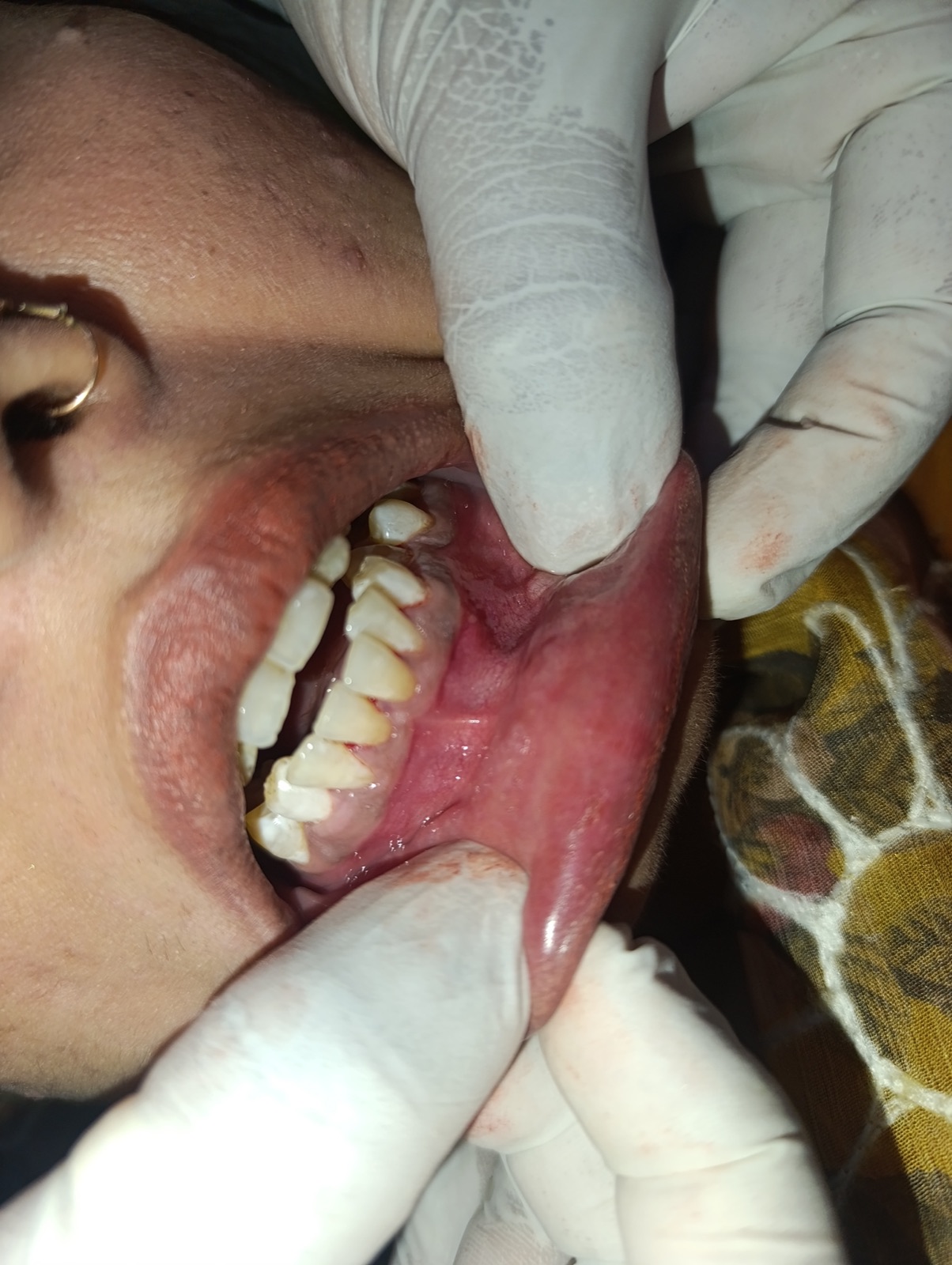
Real Lahore patients. Real outcomes.
Long-form case studies from our patient archive. Surface staining, gum-line concerns, and pre-bonding hygiene work — every photo was taken in our Engineers Town clinic with patient consent.

Four ways to pay for your bonding.
We don't want cost to be the reason a chip stays unrepaired or a smile makeover stays on the wishlist. The four payment paths below cover almost every patient's situation — discussed openly at the consultation, no pressure, no awkwardness.
Treatments, problems, and terminology.
What it relates to
Fix the chip. Close the gap. Same day.
Book a free 15-minute consultation. We'll examine the tooth, take photographs, discuss whether bonding is the right answer (or whether veneers, aligners, or a crown would be better) — and hand you a written quote. There is no pressure to book the bonding the same day, and there are no hidden charges if you do.