Dental Bridges in Lahore: Types, Cost & Procedure
Dental bridges in Lahore are the long-term fix for a missing tooth — or several missing teeth in a row — when the neighbour teeth are still healthy. At Odonto, we place every one of the four types of dental bridges (traditional, cantilever, Maryland bridge, and implant-supported), in materials ranging from PFM Noritake to zirconia and EMAX. The full procedure takes two short visits, about 10–14 days apart for a traditional bridge. The dental bridge price at our clinic starts from PKR 22,500 — no hidden charges. Whether you searched dental bridges near me or specifically for a dental bridge in Lahore, this page is the same answer in one place.
 PMDC certified
A fixed restoration that replaces missing teeth by anchoring to the teeth either side.
A dental bridge is a fixed (non-removable) restoration that fills the gap left by one or more missing teeth. It is made of three or more units joined together — two crowns on the anchor teeth (called abutments) and one or more false teeth (called pontics) bridging the gap between them.
Because it is cemented permanently, you brush, eat, and speak with it exactly like a natural tooth. The phrase bridge teeth simply refers to the units of a bridge — the anchor crowns plus the pontic. Once cemented, the bridge becomes the chewing surface from that day onwards.
The four types of dental bridges we place at Odonto — traditional, cantilever, Maryland, and implant-supported — each have a distinct use case based on which teeth are missing, the condition of the neighbours, and your budget. The video on the right walks you through how each one is made and what it looks like fitted in the mouth.
Six signs you need a dental bridge.
Not every missing-tooth case needs a bridge — sometimes a denture or implant is the better answer. But when one of these signs is present, a bridge is usually the most predictable, longest-lasting fixed restoration.
A single missing tooth in the chewing zone
One molar or premolar gap that you keep avoiding when you eat. The tooth was either extracted recently or lost to decay years ago. A bridge fills the gap and restores chewing on that side within two weeks.
Two or three teeth missing in a row
Multiple consecutive gaps mean food gets trapped and the opposite jaw teeth start over-erupting into the empty space. A multi-unit bridge replaces the missing teeth as one connected piece.
Neighbouring teeth have started tilting
When a tooth is lost and not replaced, the teeth on either side slowly tilt into the gap. Once they tilt past a certain angle, the bridge becomes more complex — book sooner rather than later.
Difficulty chewing or biting on one side
You've been chewing on one side for months. Your jaw muscles ache by evening, the working side wears faster, and food often gets swallowed half-chewed. A bridge re-balances the bite.
Visible jawbone loss on the X-ray
After a tooth is extracted, the bone that supported its root begins to shrink. Six months in, the change is visible on a panoramic X-ray. A bridge does not stop bone loss — but stops the chain reaction at the bite.
Collapsed bite or worn front teeth
When back teeth are missing for years, the front teeth take the load they were never designed for. They wear flat, chip, and the lower face starts looking shorter. A back-tooth bridge protects the front six.
Six reasons a bridge is worth booking.
A well-fitted dental bridge is one of the highest-leverage restorations in dentistry — short procedure, durable result, and the difference between living around a gap and forgetting it was there.
Restores chewing on both sides
The headline benefit. A bridge in Lahore lets you chew on the side you've been avoiding — comfortably and confidently — within two weeks. Most patients say the change is obvious from the day the permanent bridge is cemented.
Stops adjacent teeth from drifting
A missing tooth gap becomes a problem long before you replace it. The teeth either side tilt in. A bridge holds the neighbours in place and stops the slow collapse of the bite.
Preserves face shape
Lost teeth shorten the lower face over time. A bridge maintains the height and width of the dental arch, keeping your cheeks and lips supported the way they were before the tooth was lost.
Matches your natural smile
Modern zirconia and PFM-VITA bridge teeth are layered to match your existing shade. From two feet away the replaced tooth is invisible, even to people who know you well.
Faster than implants — 2 weeks vs 3–6 months
A traditional bridge can be in your mouth and chewing within 14 days. An implant takes 3–6 months for the bone to heal around the fixture. For patients who need to eat now, a bridge wins on timeline.
Lower upfront cost than implants
A 3-unit PFM bridge starts from PKR 22,500. A single implant with crown starts around PKR 1,15,000. For a one-tooth gap with healthy neighbours, a bridge is the most affordable durable solution.
Four bridge designs. One that fits your case.
The four types of dental bridges we place differ by how the bridge is anchored — to two natural teeth, to one natural tooth, with bonded wings, or to dental implants. Each is below — pros and cons listed honestly so you can pick what fits your gap, your bite, and your budget.
 Most common
Traditional bridge
Two crowns on the teeth either side of the gap, joined to a false tooth (pontic) in the middle. The workhorse of bridge dentistry — used when both neighbouring teeth are healthy and strong enough to be shaped for crowns.
One-side anchorCantilever bridge
A bridge anchored on only one side rather than two. Used when there is only one healthy neighbour tooth available — typically at the very back of the mouth or beside an extraction socket. Less common but the right call in specific cases.
Front teeth · conservativeMaryland bridge
A conservative bridge with thin metal or zirconia wings bonded to the back of the neighbouring teeth — no shaping required. Reserved for missing front teeth in young or low-bite-force patients. The lightest-touch bridge option we offer.
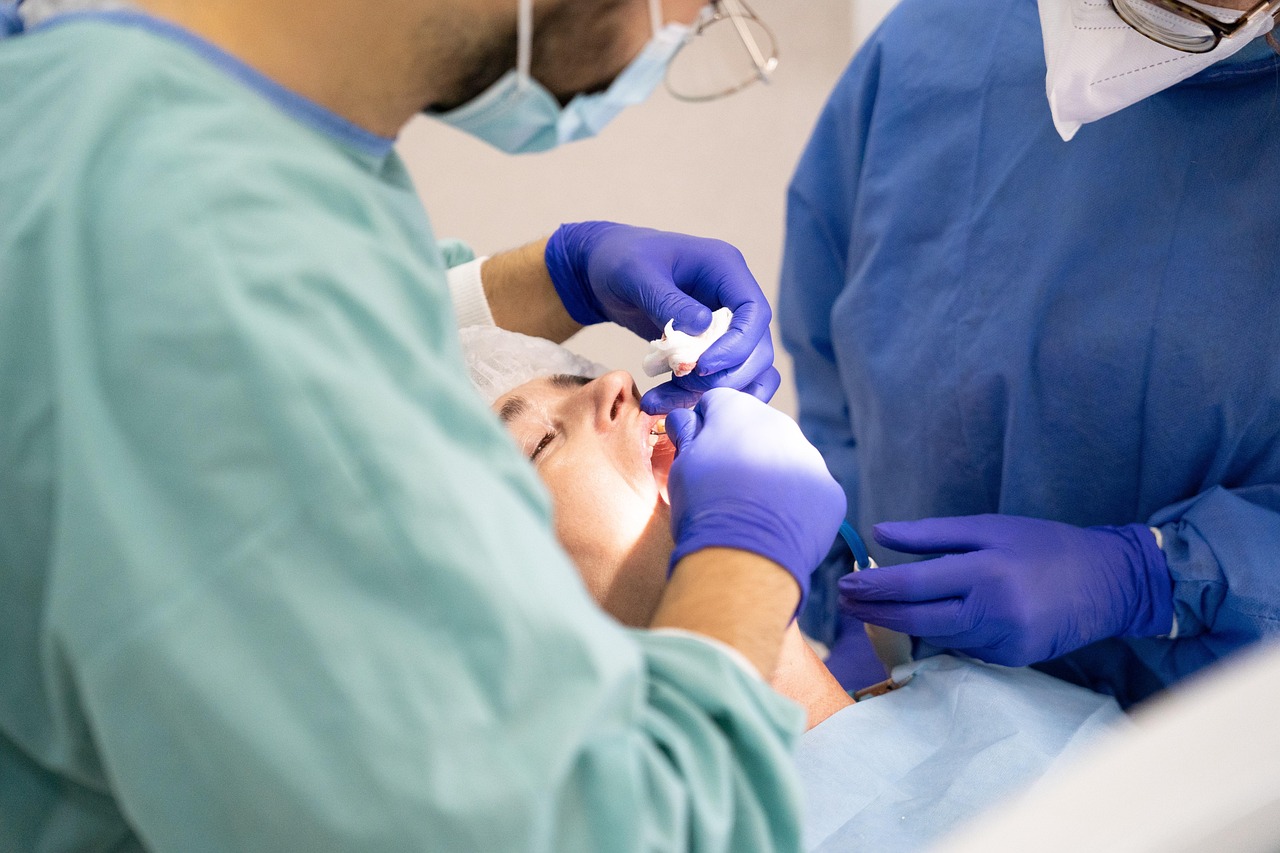 No neighbour shaping
Implant-supported bridge
A bridge supported by two dental implants instead of two crowned natural teeth. The premium choice — no neighbour-tooth shaping, no pressure on natural teeth, and bone preservation under the pontic. The right call when neighbour teeth are not strong enough to anchor a traditional bridge, or when you want to preserve the surrounding natural teeth completely.
Transparent pricing. No hidden charges.
The cost of dental bridges Lahore patients pay at Odonto is fixed per type and per material. Prices below are all-inclusive: anchor preparation, impression, temporary, lab fabrication, try-in, bite check, and cementation. The free 15-minute consultation always includes a written quote before any treatment begins.
| Bridge type / option | Starting price |
|---|---|
| Traditional 3-unit PFM NoritakeThree units · Japanese porcelain · workhorse choice | PKR 22,500 |
| Traditional 3-unit PFM VITAGerman VITA porcelain · better shade match | PKR 30,000 |
| Traditional 3-unit ZirconiaSolid all-ceramic · most popular in 2026 | PKR 75,000 |
| Cantilever bridge (per unit)One-side anchor · same as crown unit | PKR 7,500–40,000 |
| Maryland bridge (per unit)Bonded wings · conservative · front teeth only | PKR 18,000–25,000 |
| Implant-supported bridgeTwo implants + 3-unit bridge | PKR 1,42,500 |
| All-on-4 implant bridgeFull-arch on 4 implants | PKR 6,00,000 |
| Anchor core build-upComposite — anchor needs rebuilding | +PKR 2,500 |
| Cast post & coreHeavier rebuild · severely damaged anchor | +PKR 5,000 |
For a 3-unit traditional bridge in zirconia.
Ten factors that shape your dental bridge price.
Bridge pricing in Lahore looks confusing because the spread is so wide — PKR 15,000 at one clinic, PKR 6,00,000 at another. The ten factors below explain almost the whole difference.
Bridge type
Traditional bridges are the most economical. Maryland bridges sit slightly lower per unit. Implant-supported bridges are the premium tier because of the implant fixtures themselves. The single biggest factor in the final price.
Number of units
A 3-unit bridge replaces one missing tooth. A 4-unit bridge replaces two. Each extra unit adds to the lab work, the chair time, and the material cost. We quote per-unit so the maths is transparent.
Crown material
PFM Noritake is the cheapest. PFM VITA is mid. Zirconia is the most popular. EMAX is reserved for front-tooth aesthetics. The same per-unit pricing applies as for single crowns.
Whether implants are needed
If the anchor teeth are unhealthy or already missing, the bridge has to be implant-supported. Each implant fixture adds around PKR 60,000 to the total — but spares the natural teeth completely.
Anchor tooth condition
A neighbour tooth with a large filling, a previous root canal, or visible crack often needs a core build-up before it can be shaped for the bridge crown. That is an extra PKR 2,500 per anchor (composite) or PKR 5,000 (cast post-and-core).
Lab fabrication tier
Premium ceramic shade-matching, faster turnaround (3–5 days), and master-ceramist hand-layering carry small upcharges. Our standard 7–14 day lab quote is included in every price you see on this page.
Government hospital vs private clinic
Government dental hospital bridges are heavily subsidised but come with junior-dentist execution and multi-week queues. Private clinics like Odonto charge full price but you see a senior clinician the same week.
Specialist vs general dentist
A general dentist places the majority of routine bridges in Lahore. A prosthodontist is required for full-arch cases, implant-supported bridges, and complex bite reconstruction. The specialist surcharge is usually 15–25%.
Preparatory work
If a tooth needs to be extracted before the bridge, or scaling and gum treatment is needed first, those are quoted separately. You see every line item before signing.
Cementation technique
Modern bonded resin cements cost slightly more than traditional luting cements but give a tighter, longer-lasting margin. We default to the modern approach for zirconia and EMAX bridges.
Government dental hospital or private clinic?
Both are legitimate options for bridge work. Here's the honest comparison so you pick the right one for your case. Patients searching for the best dental bridge for missing teeth in Lahore usually weigh price, dentist seniority, and waiting time — and the answer differs by case.
Subsidised, but with trade-offs.
Lahore has good government and dental teaching hospitals — Mayo, Punjab Dental Hospital, the public-sector dental departments. Bridge work is heavily subsidised.
- ✓Significantly lower fees — sometimes 60–80% less than private
- ✓Same baseline materials as some private clinics
- ×Long appointment queues — multi-week waits common
- ×Junior dentists or house officers usually do the prep
- ×Limited type choice — usually only traditional PFM
- ×No written quote before the prep is started
Full menu, senior clinician, same week.
Private clinics like Odonto charge full market price but you see a senior clinician on your scheduled date, choose from any bridge type in the menu, and get a written quote before any tooth is touched.
- ✓Senior clinician executes the prep — every time
- ✓Four bridge types including Maryland and implant-supported
- ✓Written quote before any treatment begins
- ✓Same-week appointments, often same-day for emergencies
- ✓Itemised invoice for insurance reimbursement
- ×Higher fees than government hospital
Specialist prosthodontist or general dentist?
Most bridge work in Pakistan is done by general dentists. Some cases need a prosthodontist — a specialist with three additional years of post-graduate training in crowns, bridges, and full-mouth rehabilitation. Here's when each is the right call.
The right choice for most 3- and 4-unit bridges.
An experienced general dentist places dozens of bridges a year and handles 90%+ of routine bridge work in Lahore. For a routine 3-unit traditional bridge on a structurally sound pair of anchors, a senior general dentist is the right fit — and is what you get at Odonto by default.
- ✓3- and 4-unit traditional bridges — routine
- ✓Bridges over root-canal-treated anchor teeth
- ✓Pricing 15–25% lower than specialist
The right choice for complex multi-unit and implant cases.
A prosthodontist is needed when the case involves implant-supported bridges, all-on-4 full-arch restorations, multi-unit cases longer than 5 units, or unusual occlusal challenges. We refer to a prosthodontist within our network when the case complexity warrants it — and we tell you upfront if your case needs one.
- ✓Implant-supported bridges and all-on-4
- ✓Long-span bridges (5+ units)
- ✓Complex bite reconstruction
Front teeth or back teeth? The bridge type changes.
Almost every patient asks the same question at the consultation: "Which bridge is best?" The honest answer is — it depends on which tooth is missing. Here's how we recommend by position.
Front teeth — visible when you smile.
For a missing front tooth, the most conservative option is the Maryland bridge — bonded wings on the back of the neighbour teeth, no shaping required. If the bite is heavier or the patient is older, a zirconia traditional bridge gives the best aesthetics with full strength. An implant-supported bridge is the long-term gold standard for front-tooth gaps when bone preservation matters most. PFM is generally not recommended on front teeth because the metal substructure can show as a thin grey line at the gum margin after several years.
Back teeth — chewing force is the priority.
For missing molars and premolars, strength matters more than translucency. A traditional PFM Noritake or VITA bridge is excellent value at PKR 22,500–30,000 for 3 units. Zirconia is the modern all-rounder. An implant-supported bridge is the right call when the anchor teeth are not strong enough to support a traditional bridge. Maryland bridges are not recommended for back teeth — the chewing forces will debond the wings within months.
Twelve steps. Two visits.
Every dental bridge procedure at our Lahore clinic follows the same protocol — whether it's a single 3-unit PFM bridge or a longer zirconia case. You see what is happening in a small mirror at every stage.
Examination & X-ray
Full clinical exam plus a panoramic X-ray to assess bone height, neighbour teeth, and the gap dimensions. We discuss whether a traditional, cantilever, Maryland, or implant-supported bridge fits the case.
Anchor tooth assessment
We test the neighbour teeth — vitality (nerve health), existing fillings, root condition, and whether they need core build-ups before shaping. The honest answer here decides which bridge type goes ahead.
Local anaesthesia
Local anaesthesia numbs the anchor teeth and surrounding gum fully. You feel pressure during the prep, never sharp pain. (Skipped over teeth that are already root-canal-treated — there is no nerve left to numb.)
Anchor tooth shaping (or implant placement)
For a traditional or cantilever bridge, the anchor teeth are gently shaped — about 1.0–1.5 mm reduction on all sides. For an implant-supported bridge, the implants are placed surgically and you wait 3–6 months for the bone to integrate before the next step.
Impression
A digital intra-oral scan or a precise silicone putty impression captures the prepared anchors and the gap. The impression is the blueprint the dental lab uses to fabricate your bridge.
Temporary bridge fitting
A same-day acrylic temporary bridge is shaped, fitted, and cemented with low-strength temporary cement. It protects the prepared anchors and lets you chew on soft food for the 7–14 days the lab needs.
Lab fabrication
A senior ceramist mills the zirconia or hand-layers the porcelain to match your shade. Each unit is checked under daylight before the bridge is delivered to the clinic.
Try-in
At visit two, the temporary comes off and the new bridge is tried — we check shade, fit at the anchor teeth, contact with the upper arch, and that the pontic sits cleanly on the gum without pressure.
Bite check
You bite gently on articulating paper. We mark high points and adjust them chairside until the bridge meets the opposing teeth evenly. This is the step that decides whether the bridge feels normal from day one.
Permanent cementation
The bridge is cemented with the appropriate bonding agent — light-cure resin for zirconia and EMAX, glass ionomer for PFM. Excess cement is fully removed, especially around the pontic, before it sets.
Under-pontic flossing demo
We hand you a length of super-floss or an interdental brush and demonstrate exactly how to clean under the pontic in the mirror. This is the single most important habit for long-term bridge success.
Recall plan
We hand you the printed aftercare sheet, the WhatsApp number, and book the 6-month review with hygiene. Photos at each recall let us track margin integrity year over year.
Six small habits that hold the result.
A bridge lasts as long as the anchor teeth and the gum under the pontic stay healthy. Stick to the list below — both during the temporary fortnight and long-term with the permanent bridge. This is the core of dental bridge aftercare Lahore patients are taught at every Odonto recall.
Floss under the pontic with super-floss daily
A bridge has one critical hygiene zone — the gum surface under the false tooth. Plaque collects there because regular floss cannot pass between two connected crowns. Super-floss or an interdental brush threaded under the pontic each evening keeps the area clean.
Brush gently around every margin
Plaque at the anchor-tooth gum line is the single biggest reason bridges fail long-term. Soft brush, twice daily, with extra time at the gum margin keeps the bridge in place for a decade or more.
Avoid sticky food on the temporary
For the 7–14 days you wear the temporary bridge, skip chewing gum, toffee, naan-with-bone, and very hard nuts on that side. The temporary is held with low-strength cement on purpose — sticky food can lift it.
Wear a night guard if you grind
Bruxism puts repeating force on every connector of the bridge. A custom night guard (PKR 6,500 at Odonto) extends bridge life dramatically and protects your other teeth at the same time.
Return for the permanent bridge on time
Don't postpone the second visit beyond 14 days. Temporaries leak after long periods and can let bacteria reach the prepared anchors — undoing the prep work you have already paid for.
Schedule a 6-month hygiene visit
Routine cleaning around the abutments and under the pontic is what keeps the gum healthy long-term. Standard PKR 4,500 every six months — and your bridge will outlast its quoted lifespan.
Four habits that take a bridge from 8 years to 15.
Aftercare is what you do in the first month. Long-term maintenance is what you do for the next decade. The four below decide whether your bridge becomes the durable restoration it is designed to be — or fails early.
Annual photographic review
We photograph every bridge at the 6-month and 12-month mark so we can track margin integrity year over year. Tiny changes are easy to fix at year one — much harder at year five.
Avoid using the bridge as a tool
Don't bite ice, pen caps, or open packages with bridge teeth. The bridge handles bite force well — it does not handle sudden point loads. The most common cracked-bridge call is from chewing on a popcorn kernel or a chicken bone fragment.
Keep the gum under the pontic healthy
A bridge with a clean, healthy gum under the pontic lasts 12+ years. The same bridge over a chronically inflamed pontic site can fail in five. Six-monthly scaling keeps that one zone healthy and is the most under-rated lifespan factor.
Replace the night guard every 2–3 years
Custom guards wear out. A flattened or perforated guard is doing nothing for the bridge. We check the guard at every recall and recommend replacement only when it is actually needed.
Six things that could go wrong — and how we handle each.
No restoration is risk-free. Most patients have a smooth recovery, but the six potential issues below are worth knowing about before you book — including how we mitigate each at our clinic.
Sensitivity for a few days
Mild sensitivity to cold or pressure on the anchor teeth in the first 1–3 days after the bridge is cemented. Almost universal, almost always fades within 72 hours.
Bridge comes loose
Rare but does happen — usually from cement washout over many years, or from sticky food pulling on a single anchor. Easy to re-cement if the bridge comes off intact.
Decay on the anchor teeth (under-pontic plaque)
If plaque sits at the pontic-gum interface for years, decay can develop on the anchor teeth just under the crown margin. Often invisible until X-ray.
Anchor tooth needs a root canal later
Sometimes the nerve of an anchor tooth becomes inflamed within the first year after the prep. The tooth becomes sensitive and may need a root canal. The bridge does not need to be remade — the canal is done through a small access hole and sealed.
Bone loss in the pontic area
A traditional bridge does not preserve bone the way an implant does. The bone under the pontic slowly shrinks over years — usually invisible cosmetically, but visible on a long-term X-ray.
Bulky feeling in the first few days
A new bridge often feels bigger than the natural teeth it replaced — the tongue, the cheek, and the lip all need to adapt. Most patients adjust completely within 3–7 days.
Three ways to replace a missing tooth — one of them is right for you.
When a tooth is missing, you usually have three options. The dental bridge vs implant vs crown question — and where a denture fits in — depends on how many teeth are missing, the condition of the neighbours, your budget, and your timeline.
Twelve answers our Lahore bridge patients ask before booking.
If your question isn't here, message us on WhatsApp — we usually reply within thirty minutes during clinic hours.
How much does a dental bridge cost in Lahore?+
At Odonto, the dental bridge price in Lahore starts at PKR 22,500 for a traditional 3-unit PFM Noritake bridge, PKR 30,000 for PFM VITA, and PKR 75,000 for a 3-unit zirconia bridge. A Maryland bridge runs PKR 18,000–25,000 per unit and a cantilever bridge prices the same as a single crown unit (PKR 7,500–40,000). Implant-supported bridges start from PKR 1,42,500 (two implants plus a 3-unit bridge). All-on-4 implant bridges start from PKR 6,00,000.
These prices include impressions, temporary, lab fabrication, try-in, bite adjustment, and cementation. Anchor-tooth core build-ups, if needed, add PKR 2,500–5,000 per anchor and we tell you in advance.
Which type of bridge is best for me?+
It depends on which teeth are missing, the condition of the neighbour teeth, and your budget. For one missing tooth in the back with healthy neighbours, a traditional zirconia or PFM bridge is usually the right call. For one missing front tooth with healthy neighbours and no edge-to-edge bite, a Maryland bridge is the most conservative option. For a missing tooth where the neighbour teeth are weak or already heavily restored, an implant-supported bridge spares those neighbours completely.
We pick the type based on case factors — never the most expensive option by default. You always see the reasoning explained against your X-ray.
How long do dental bridges last?+
A well-fitted traditional or cantilever dental bridge lasts 8 to 12 years on average. Zirconia and EMAX bridges often exceed 12 years with good hygiene. Implant-supported bridges can last 15+ years. Maryland bridges tend to be on the shorter side (5–8 years) because the wings can debond over time, but they are the most conservative option for front teeth.
The bridge itself rarely fails — what fails is the underlying tooth or gum, which is why six-monthly hygiene visits matter more than which premium material you chose.
How many visits are needed for a dental bridge?+
Two visits about 10–14 days apart for a traditional, cantilever, or Maryland bridge. Visit one runs 60–75 minutes — examination, X-ray, anaesthesia, anchor preparation, impression, and a temporary bridge. Visit two runs 30–45 minutes — try-in, bite check, cementation, and the under-pontic flossing demonstration.
Implant-supported bridges take three or more visits over 3–6 months because the implant has to integrate with the bone before the bridge can be loaded.
Will a dental bridge look natural?+
Modern zirconia and EMAX bridge teeth are layered to match your existing tooth shade and translucency, even mimicking natural enamel patterns at the edges. PFM bridges have a metal substructure under the porcelain — they look excellent but can show a thin grey margin near the gum after several years.
For front-tooth bridges in the smile zone, all-ceramic (zirconia or EMAX) is the better cosmetic choice. We always show you the shade chart in daylight before fabrication.
Is the dental bridge procedure painful?+
No. The anchor teeth and surrounding gum are fully numbed with local anaesthesia for the shaping appointment. You feel pressure and vibration during the prep, never sharp pain.
After the appointment, mild gum tenderness for one to two days is normal and is well controlled with simple painkillers like ibuprofen or paracetamol. Most patients return to work the same day.
Dental bridge vs implant — which should I choose?+
For a single missing tooth with healthy neighbour teeth: a traditional bridge is faster (2 weeks vs 3–6 months) and cheaper upfront (from PKR 22,500 vs from PKR 1,15,000). It is the right call when the neighbour teeth could benefit from crowning anyway, or when the timeline is tight.
An implant is the better long-term choice when the neighbour teeth are healthy and untouched, when bone preservation matters (front teeth), and when budget is not the primary constraint. We compare both side by side at consultation, with no pressure either way.
What factors affect the cost of a dental bridge in Lahore?+
Ten factors shape the final price: bridge type (traditional, cantilever, Maryland, implant-supported), number of units, crown material (PFM, zirconia, EMAX), whether implants are needed, anchor tooth condition (do they need core build-ups), lab tier, government vs private clinic, specialist vs general dentist, preparatory work (extractions, scaling), and cementation technique.
Section 8 of this page explains each factor in detail. Every one of them is itemised on your written quote.
What are the risks and complications of a dental bridge?+
Most patients have a smooth recovery. The most common short-term issue is mild sensitivity for 1–3 days. Less common: the bridge coming loose (re-cementable in most cases), decay on an anchor tooth from under-pontic plaque (preventable with super-floss), an anchor tooth needing a root canal later, slow bone loss in the pontic area (mostly cosmetic on back teeth), and a bulky feeling for the first few days.
Long-term risks are all manageable with good home care plus six-monthly recall visits. Section 15 below covers each one and how we mitigate it.
Bridge vs crown — what is the difference?+
A crown covers a single damaged tooth that is still in your mouth. A bridge replaces a tooth that is missing — using crowns on the teeth either side as anchors with a false tooth in the middle.
Crowns and bridges share the same materials (PFM, zirconia, EMAX) and the same lab process. The difference is the count of units. A 3-unit bridge is essentially three crowns joined together — two anchor crowns and one false tooth pontic. See our dental crowns page for the per-unit material comparison.
How do I clean under a dental bridge?+
Cleaning under the pontic is the most important habit for bridge longevity. Regular floss cannot pass between two connected crowns — you need either super-floss (a stiff-ended floss) or an interdental brush threaded from the cheek side under the pontic, then pulled through to the tongue side.
We demonstrate this in front of the mirror at the second visit. Done once a day, every day, it adds years to the life of your bridge. Done never, the bridge will fail early — it is that simple.
Does insurance cover dental bridges, and do you offer financing?+
Many corporate insurance plans in Pakistan reimburse a meaningful portion of bridge costs. We don't bill insurance directly, but we hand you an itemised invoice with diagnosis codes for the claim. Most plans pay out within 30 days.
For self-pay patients, we offer four paths: pay-on-completion, two-visit split, multi-unit instalment (3–6 months for big cases), and insurance assistance. Section 21 of this page covers each in detail.
Dr. Mian Momin Ahmad
“The bridge is only as good as the anchor teeth and the gum under the pontic. The shape of the prep, the fit at the abutment margins, and how clean you keep that pontic surface day-to-day matter far more than whether the porcelain says VITA or zirconia on the box. We will recommend the most conservative bridge type that solves your actual problem — never the most expensive option by default. You will see your X-ray, hear the reasoning, and have a written quote in your hand before any tooth gets touched.”
What our bridge patients said about the visit.
Six recent reviews from patients who had bridge work done at Odonto. Names are accurate where the patient was happy to share them; treatment details and dates are real. These are the kind of local dentist reviews we ask every patient to leave honestly — good or bad.
“Got a 3-unit zirconia bridge done after losing a molar two years ago. The colour matches my natural teeth exactly — even my sister could not pick out the bridge tooth when I asked her. Two weeks from start to finish.”
“I had been chewing on one side for almost a year because of two missing teeth. The 4-unit PFM bridge changed that within a fortnight. Honest pricing, written quote, no surprises.”
“Maryland bridge for a missing front tooth I lost in a cricket match years ago. No drilling on the neighbour teeth — that was the part I was most worried about. The fit is excellent.”
“Two PFM Noritake units done as a 3-unit bridge on the lower right. Painless. Temporary was comfortable for the ten days the lab needed. Permanent went in smoothly at visit two.”
“Implant-supported bridge for two missing molars. Took six months end-to-end, but the doctor explained every stage. The bridge feels exactly like my natural teeth — I forget it is there most days.”
“I had been quoted a higher figure at two other Lahore clinics. Odonto was the most transparent — they showed me the X-ray, explained why a traditional bridge was the right call (not an implant), and stuck to the written quote.”
Real Lahore patients. Real outcomes.
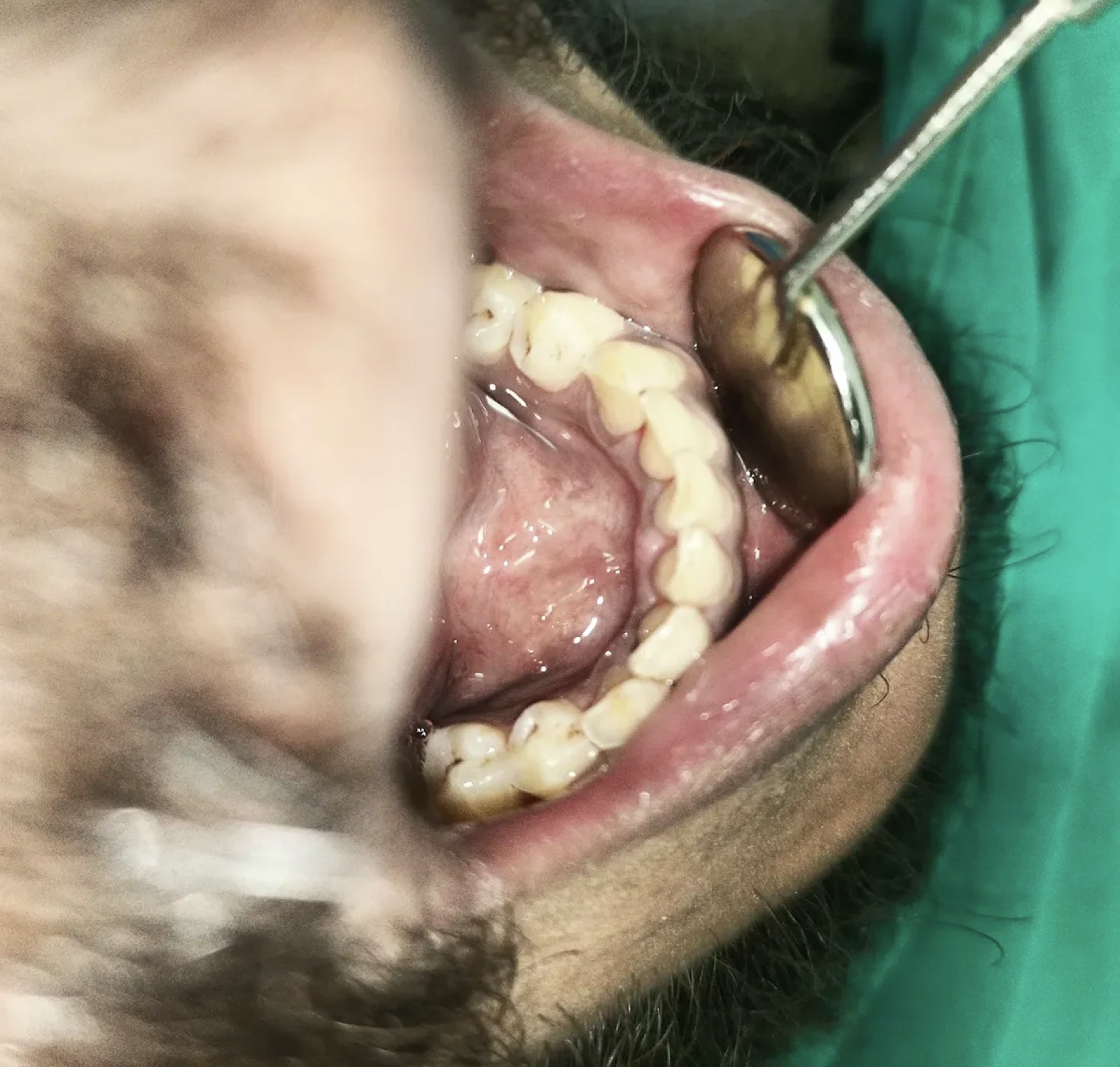
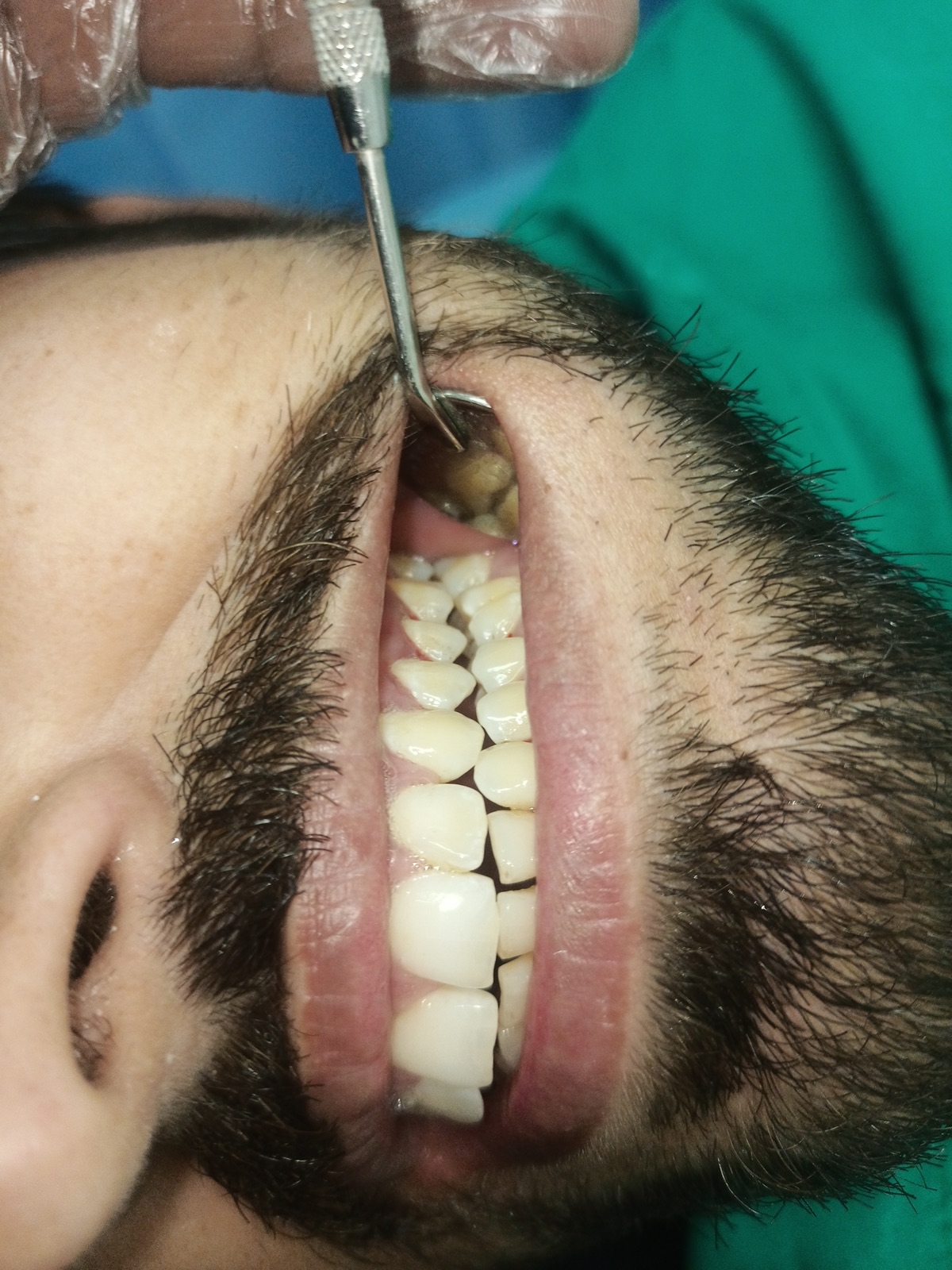
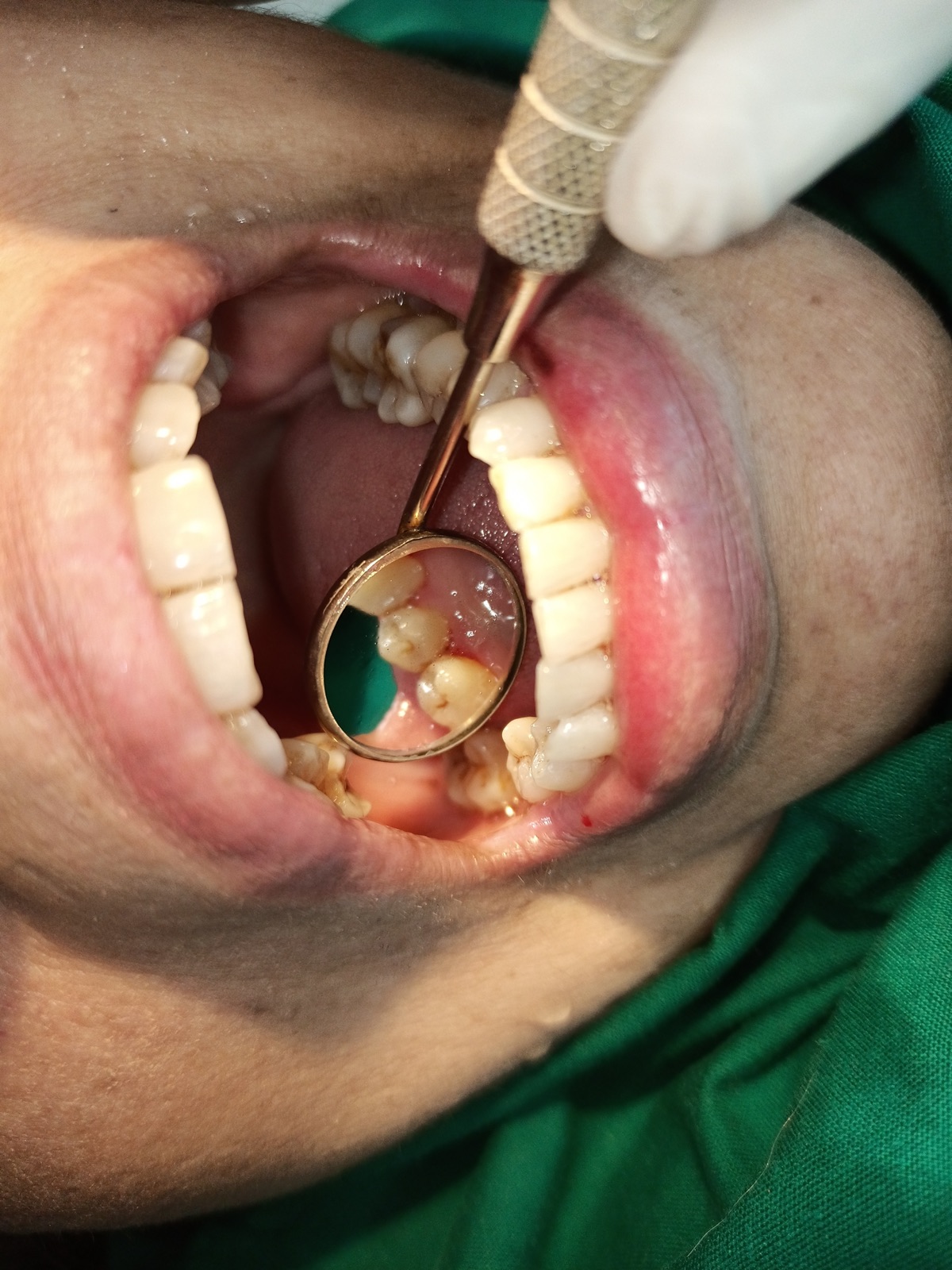
Long-form case studies from our patient archive — including the cleaning and gum-health work that often comes before a bridge can be placed. Every photo was taken in our Engineers Town clinic with patient consent.
Four ways to pay for your bridge work.
We don't want cost to be the reason a missing tooth stays missing. The four payment paths below cover almost every patient's situation — discussed openly at the consultation, no pressure, no awkwardness.
Treatments, problems, and terminology.
Related treatments
What it relates to
Bridge the gap. Properly.
Book a free 15-minute consultation. We'll examine the gap, discuss bridge type and material options, hand you a written quote — and you decide from there. There is no pressure to book the bridge the same day, and there are no hidden charges if you do.