Dentures in Lahore: Types, Cost & Care
Dentures in Lahore are the most affordable long-term fix for missing teeth. At Odonto, we make complete dentures, partial dentures, flexible denture (Valplast-type nylon), cast metal frameworks, and implant-retained overdentures — chosen by your dentist based on how many teeth are missing, the condition of any remaining teeth, and your budget. The full fabrication of artificial teeth takes around four weeks and four to five short visits. Prices start at PKR 15,000 for a partial denture and PKR 25,000 for a single-arch complete denture — no hidden charges.
 PMDC certified
A custom set of artificial teeth that replaces missing natural teeth.
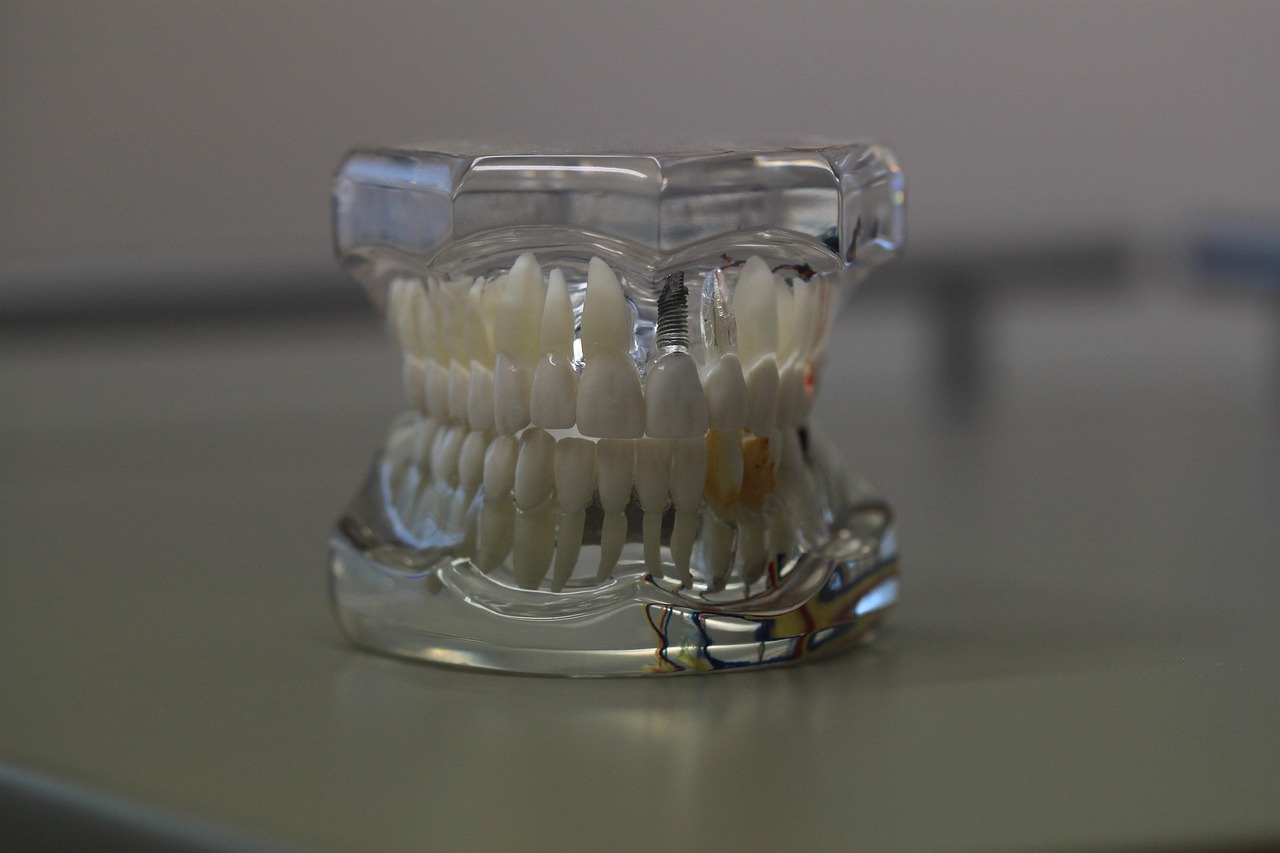
A denture is a custom-made removable appliance that replaces missing teeth and the surrounding gum tissue. In Urdu it is commonly called “مصنوعی دانت” (musnoo'i daant) — meaning “artificial teeth.” A complete denture replaces every tooth in an arch. A partial denture fills the gaps where some natural teeth are missing while clipping onto the remaining ones.
Dentures rest on the gum and are held in place by suction (upper), muscle balance (lower), small chrome clasps that grip remaining teeth (acrylic partial), the natural flex of the base (flexible nylon), or by clipping onto dental implants (implant-retained overdenture). They restore both function — chewing, speech, the support of the lips and cheeks — and appearance.
The five denture options we make at Odonto — complete acrylic, partial acrylic with metal clasps, flexible nylon (Valplast-type), cast metal Co-Cr framework, and implant-retained overdenture — each have a clear use case. The video on the right walks you through what each one looks like in the mouth and how they are made.
Six signs you need dentures.
Not every missing tooth needs a denture — sometimes a single implant or a small bridge is the right fix. But when one of these six signs is present, a denture is usually the most practical, most affordable, long-term solution.
Multiple missing teeth and chewing impacted
You have lost three or more teeth and food now collects in the gaps. You favour one side of your mouth, and meals take longer than they used to. A denture closes the gaps and restores chewing on both sides — usually within four to six weeks of starting treatment.
Existing teeth are loose from advanced gum disease
Several remaining teeth wobble when you push them with a clean finger. Advanced periodontal disease has destroyed the bone supporting them, and they may need to come out. A complete or partial denture is planned in advance so you never go a day without teeth.
Difficulty eating because of multiple gaps
You avoid steak, naan, fresh fruit, or anything that needs real biting. You stick to soft khichri, daal, and yoghurt. Multiple gaps in different areas of the mouth make a partial denture or flexible nylon denture the right fix — back to a normal Pakistani diet within weeks.
Facial profile collapsing from missing back teeth
When all the back teeth are missing on one or both arches, the cheeks fall inward and the face looks older than it is. A complete or partial denture restores the vertical height of the bite and supports the cheeks and lips from the inside — patients often look ten years younger after fitting.
Speech difficulty or lisping from missing front teeth
Front teeth are essential for sounds like "S," "F," "TH," and "V." Patients with missing front teeth lisp, whistle, or avoid certain words altogether. A well-made denture restores both the look and the speech — usually within two to four weeks of adaptation.
Old failing bridge or partial denture needs replacement
A bridge or denture made ten or fifteen years ago is now loose, stained, broken, or no longer fits because the underlying gum has changed shape. A new properly-impressioned denture restores the seal and the comfort — and usually looks dramatically better than the old one.
Six reasons dentures change daily life.
The right denture is one of the highest-leverage restorations in dentistry — short fabrication timeline, dramatic functional improvement, and the difference between a soft-food-only diet and chewing whatever you want again.
Restores chewing across both sides
The single biggest reason patients book a denture. You go from a soft-food-only diet — daal, yoghurt, soup — back to chewing roti, mutton, salad, and fresh fruit. Most patients report the change is fully comfortable within four to six weeks.
Restores clear speech
Missing front or upper teeth cause lisping, whistling, and unclear consonants. A properly-fitted denture re-positions the lips and tongue against the teeth where they belong — speech recovers fully within two to four weeks of adaptation.
Supports facial muscles and rebuilds the profile
When back teeth are missing, the cheeks collapse inward and the lower face shrinks. The denture rebuilds the vertical height of the bite, supports the cheeks and lips from the inside, and gives the face back the fullness it had before tooth loss began.
Matches your natural smile
Modern denture teeth are layered acrylic or composite, available in dozens of shades and shapes. We match the size and colour to old photographs of your natural teeth — or to the partner of any remaining tooth — so the result looks like your own smile, not a generic set.
Affordable compared with implants
A complete acrylic denture starts at PKR 25,000. The equivalent number of dental implants would run into multiples of that. For patients on a budget — or those who simply want a solution that works — dentures remain the most affordable full-arch tooth replacement available in Pakistan.
Removable for cleaning
Unlike a fixed bridge or implant-supported teeth, a denture comes out at night for cleaning. The gum tissue underneath gets a daily rest, plaque is fully removed in two minutes with a denture brush, and you can soak the denture overnight — keeping it fresh long-term.
Six denture options. One that fits.
We make complete dentures Lahore, partial dentures, flexible nylon denture partials, cast metal frameworks, and implant-retained overdentures. Each type is below — pros and cons listed honestly so you can pick what fits your missing teeth, your remaining teeth, and your budget.
 Single arch
Complete acrylic — single arch
A full upper or full lower acrylic denture replacing every tooth in that arch. The most common denture we make at Odonto. Fits over the gum and is held in place by suction (upper) or muscle balance (lower).
Both archesComplete acrylic — both arches
A full upper plus full lower acrylic denture for patients who have lost all of their teeth on both jaws. Made together so the bite, the look, and the lip support are matched as one set.
 Most affordable partial
Partial acrylic with metal clasps
A removable partial denture with an acrylic base, replacement teeth, and small chrome wire clasps that grip the remaining natural teeth. The most economical partial denture option — used by patients with several remaining sound teeth.
Aesthetic — no metalFlexible nylon (Valplast-type)
A partial denture made from a flexible thermoplastic nylon — often branded Valplast — with no metal clasps. The pink base flexes around remaining teeth and grips them invisibly. The best-looking partial denture available in Pakistan today.
Most stable partialCast metal (Co-Cr framework)
A removable partial denture built around a slim cobalt-chromium metal framework with acrylic teeth. Stronger, thinner, and more retentive than acrylic — and far less likely to break. The right choice for patients who plan to wear the denture for many years.
Implant-retainedImplant-retained overdenture (2 implants + denture)
A complete denture that snaps onto two dental implants placed in the jawbone. The implants stop the denture moving when you talk and chew — eliminating the most common complaint about lower dentures. Removable for cleaning, but rock-solid in use.
Transparent pricing. No hidden charges.
The cost of dentures in Lahore at Odonto is fixed per type and per arch. Prices below are all-inclusive: examination, impressions, jaw registration, wax try-in, lab fabrication, fitting, bite adjustment, and the first two adjustment visits. The free 15-minute consultation always includes a written quote before treatment begins.
| Denture type | Price |
|---|---|
| Partial acrylic dentureWith chrome wire clasps | From PKR 15,000 |
| Complete acrylic — single archFull upper or full lower | From PKR 25,000 |
| Flexible nylon partialValplast-type · metal-free | From PKR 30,000 |
| Cast metal partial (Co-Cr)Slim cobalt-chromium framework | From PKR 35,000 |
| Complete acrylic — both archesFull upper plus full lower | PKR 45,000 |
| Implant-retained overdenture2 implants + complete denture | From PKR 180,000 |
| All-on-4 fixed denture4 implants + fixed bridge | From PKR 600,000 |
| Reline (existing denture)Restores fit as gum changes | PKR 5,000 |
| Repair (cracked denture)Crack, broken tooth, broken clasp | PKR 4,000–8,000 |
For a complete (single arch) denture with standard teeth.
Ten factors that shape your denture price.
Denture pricing in Lahore looks confusing because the spread is so wide — PKR 8,000 at one clinic, PKR 600,000 at another for an all-on-4 case. The ten factors below explain almost the whole difference.
Type of denture chosen
Complete vs partial vs flexible nylon vs cast metal vs implant-retained — these five categories explain most of the price spread. A partial acrylic starts at PKR 15,000; an implant-retained overdenture starts at PKR 180,000 — same patient, very different solution.
Number of arches treated
A single upper or lower denture is one fee. Both arches together is roughly 1.8x — slightly less than double because some lab and chairside steps are shared. We always quote both arches together when both are needed.
Quality of replacement teeth
Standard acrylic teeth are included in the base price. Premium layered teeth — better translucency, more lifelike incisal edge, longer wear life — add roughly PKR 6,000 per arch. We show you both options in the chair before deciding.
Custom characterisation
Pink gum shading, slight tooth rotations, gold-tone fillings on character teeth, custom canine length — these aesthetic details cost a little more in lab time but make the denture look like a real mouth, not a uniform set. Optional, never pushed.
Number of follow-up adjustments
Every denture quote includes the standard fitting plus two routine adjustment visits. Complex cases — narrow ridges, prominent flabby tissue, tongue-thrust patterns — sometimes need three or four extra visits, and we quote that upfront.
Whether implants are needed
A traditional denture sits on the gum. An implant-retained overdenture clips onto two or more dental implants — adding roughly PKR 80,000–100,000 per implant to the base denture cost. Worth it for the lower jaw, where stability gains are dramatic.
Lab tier and turnaround
Standard 4-week lab turnaround is included in every price you see. Premium ceramicists and faster timelines (2 weeks) carry a small upcharge — useful for weddings or travel, never required.
Whether existing teeth need extraction first
If teeth need to come out before the denture is made, those extractions are billed separately — usually PKR 1,500 to PKR 3,500 per tooth depending on complexity. Immediate dentures (placed the same day as extraction) are also possible at a small premium.
Soft-tissue conditioning visits
Patients who have worn an old ill-fitting denture for years often need their gum tissue reconditioned before a new denture fits well. A soft tissue liner is placed for 2–4 weeks before the final impression — adds about PKR 4,000 to the case.
Government dental hospital vs private clinic
Government dental hospitals offer subsidised dentures with junior-dentist execution and long waits. Private clinics like Odonto charge full market price but you see a senior clinician on the same week and choose every material. Most of our denture patients tried the public option first.
Government dental hospital or private clinic?
Both are legitimate options for affordable dentures Lahore. Here's the honest comparison so you pick the right path for your case.
Subsidised, but with trade-offs.
Lahore has good government and dental teaching hospitals — Mayo, Punjab Dental Hospital, the public-sector dental departments. Denture work is heavily subsidised and senior consultants oversee the cases.
- ✓Significantly lower fees — sometimes 60–80% less
- ✓Usable acrylic dentures for most cases
- ×Long appointment queues — multi-week waits common
- ×Junior dentists or house officers usually do the impressions
- ×Limited material choice — usually only acrylic, no flexible nylon or implants
- ×No written quote before fabrication starts
Full menu, senior clinician, same week.
Private clinics like Odonto charge full market price but you see a senior clinician on your scheduled date, choose from any denture type in the menu, and get a written quote before any impressions are taken.
- ✓Senior clinician executes every visit
- ✓Five denture types including flexible nylon and implant-retained
- ✓Written quote before any treatment begins
- ✓Same-week appointments, multi-month plans honoured
- ✓Itemised invoice for insurance reimbursement
- ×Higher fees than government hospital
Single arch or both arches? The plan changes.
Almost every patient asks: “Do I need both? Can I do one now and the other later?” The honest answer depends on which teeth are still in place. Here's how we recommend by arch.
One arch — when only one is failing.
If one arch has all teeth missing (or all need to come out) but the opposing arch is still intact, a single complete denture is made for the failing arch only. The remaining natural teeth on the other arch act as the bite partner — and your chewing returns close to normal in 4–6 weeks.
- ✓Most common case — single upper denture against natural lower teeth
- ✓Cheaper than both arches — PKR 25,000+
- ✓Faster fabrication and adaptation
Both arches — when both are failing together.
When teeth are gone (or going) on both jaws, both dentures should be made together. The bite, the lip support, the smile line, and the vertical height of the face all need to be set as one unit. Doing one and waiting on the other compromises the bite — and forces a redo later.
- ✓Bite designed correctly from day one
- ✓Slight discount over single-arch pricing — PKR 45,000 set
- ✓One adaptation period, not two
Three ways to replace missing teeth. Which is right for you?
When teeth are missing, you generally have three paths — a denture, a bridge, or dental implants. The right choice depends on how many teeth are missing, the condition of any remaining teeth, your budget, and how long you plan to live with the result.
Dentures
The most affordable and most flexible solution — works whether you are missing 2 teeth or 28. Removable for cleaning, easy to add to as more teeth are lost, and quick to fabricate (4 weeks). The trade-off is that traditional dentures rest on the gum and can move slightly during chewing or laughing.
Dental bridge
A fixed prosthesis that replaces 1–3 missing teeth by anchoring crowns onto the natural teeth either side of the gap. Cemented in place — never comes out. Excellent option when only a few teeth are missing and the neighbours are healthy enough to act as anchors. Lasts 8–12 years.
Dental implants
Titanium screws placed in the jawbone that hold a crown, bridge, or denture firmly in place. The closest thing to natural teeth in look, feel, and function. Highest upfront cost but longest lifespan (20+ years) and the only solution that prevents bone resorption. Multi-month timeline.
Twelve steps. Four to five short visits.
Every denture fitting at our Lahore clinic follows the same protocol — whether it's a single partial or both complete arches. You see what is happening at every stage and approve the look at the wax try-in before anything is finalised.
Initial examination & treatment plan
We examine your remaining teeth, the gum ridges, and the way your jaw closes. We take an X-ray (OPG) to check bone levels and any retained roots. Together we agree the type of denture — and the written quote — before any work starts.
Primary impression
A first impression of the gum and any remaining teeth is taken with alginate in a stock metal tray. The lab uses this to make a custom-fitted impression tray for the next visit — the foundation of a well-fitting denture.
Secondary impression
A precise impression is taken in the custom tray with a fine-detail material. This captures the exact shape of the gum, the depth of the sulcus, and the position of the tongue and cheek muscles — the difference between a denture that stays in and one that drops.
Jaw relation registration
Wax rims are used to record where your upper and lower jaws meet, the height of the bite, and the centre line. We also check the lip support and the incisal edge position. This is the step that decides how the finished denture will look from the front.
Wax try-in
The lab returns a wax mock-up of the finished denture with the chosen teeth set in pink wax. You sit up, look in the mirror, smile, and speak. We adjust the tooth position, the smile line, and the shade until you are happy. Nothing is finalised before you approve this stage.
Lab fabrication
The approved wax mock-up is sent to the lab to be processed in heat-cured acrylic (or flexible nylon, or cast metal — depending on the type chosen). Tooth shade and position are locked exactly as you saw them in the wax try-in.
Final fitting
The finished denture is delivered, fitted, and seated. We check that it sits snugly over the gum, doesn't rock, and doesn't catch the cheek. You eat, drink, and speak briefly while still in the chair to confirm comfort.
Bite adjustment
A high spot of even half a millimetre on the chewing surface causes a sore spot within a day. We mark every contact with articulating paper and grind down any high points so the bite is even on both sides — front to back, left to right.
Tissue conditioner if needed
For patients whose gum ridge has been bare for years, a soft tissue conditioner is placed inside the denture for the first 2–4 weeks. It cushions the gum, reduces sore spots, and lets the tissue settle into the new denture shape.
Adjustment visits — typically 2–3
We see you back at 24 hours, one week, and two weeks. Almost every new denture wearer develops one or two sore spots in those first weeks — five-minute fixes that prevent ulcers and let you wear the denture comfortably from day one.
Post-care education
You leave the clinic with a printed aftercare sheet, a denture brush, a soaking pot, and a WhatsApp number. We walk you through how to put the denture in and out, how to clean it morning and night, and what to do if a sore spot appears overnight.
Six-month review
A routine review at six months — we check the fit, the gum tissue underneath, and the wear on the chewing surfaces. Most dentures need a small reline at 18–24 months as the gum settles. The first review is included free.
Six daily habits that hold the result.
A denture lasts as long as the gum tissue and remaining teeth underneath stay healthy. Stick to the list below — both during the first weeks of adaptation and long-term as part of daily routine.
Take the denture out at night, every night
Sleeping in a denture suffocates the gum tissue under it and triggers fungal infections (denture stomatitis). The single most important rule: out at night, every night. The gum needs eight hours of rest to stay healthy long-term.
Brush the denture morning and night
Use a soft denture brush and a non-abrasive denture paste — never regular toothpaste, which scratches the acrylic. Brush every surface, especially the side that faces the gum. Two minutes morning and night.
Soak overnight in a denture cleaner
A nightly soak in a denture cleaning tablet (Polident, Steradent, or any pharmacy brand) loosens biofilm that brushing misses. Rinse thoroughly under running water before putting it back in the morning.
Rinse after every meal
Pop the denture out, hold it carefully over a basin half-filled with water (so it doesn't crack if dropped), and rinse off food debris under the tap. This single habit prevents most stains and bad-breath issues from developing.
Massage your gums daily
Brush the gum ridges, the tongue, and the roof of the mouth with a soft brush each morning. This stimulates circulation, removes any plaque that has settled overnight, and keeps the gum tissue healthy under the denture.
Come back if anything changes
A new sore spot, a click on chewing, a slight loosening — all are easy 5-minute fixes if caught early. Left alone they turn into ulcers, fractured dentures, and emergency visits. Message us on WhatsApp the day you notice anything.
Four habits that take a denture from 5 years to 10+.
Aftercare is what you do in the first month. Long-term maintenance is what you do for the next decade. The four below decide whether your denture serves you for the full lifespan it's designed to — or fails early.
Reline every 2–3 years
Gum ridges shrink slowly as the years go by. A reline reshapes the inside of the denture to match the new shape of the gum — restoring suction, eliminating rocking, and adding years to the life of the denture. PKR 5,000 at Odonto.
Annual check of remaining teeth
For partial denture wearers, the remaining natural teeth take more load than they used to. Six-monthly scaling and an annual X-ray check makes sure the supporting teeth stay healthy — and the denture keeps gripping them properly.
Replace at 5–10 years
Even a well-cared-for denture eventually needs replacing. Acrylic teeth wear flat. The pink base discolours and absorbs odours. The fit drifts as the bone resorbs. Most patients replace their denture every 7–10 years — sooner if it has had heavy daily use.
Consider implants if the lower denture moves
The single most common long-term complaint with traditional dentures is movement of the lower one. Two implants placed under the lower denture (an implant-retained overdenture) eliminates that movement entirely — dramatic improvement for patients who have struggled for years.
Six things that could go wrong — and how we handle each.
No prosthesis is risk-free. Most patients adapt smoothly, but the six potential issues below are worth knowing about before you book — including how we mitigate each at our clinic.
Sore spots and mouth ulcers
Almost universal in the first 1–2 weeks. The denture rests on a high point of the gum ridge and creates a small ulcer. Quick to fix — we adjust the denture and the ulcer heals in 48 hours.
Speech adaptation period of 2–4 weeks
For the first 2–4 weeks, "S," "TH," and "F" sounds may feel slightly off — the tongue is learning to find the new tooth surfaces. Reading aloud at home for ten minutes a day speeds adaptation dramatically.
Gagging sensation
A small minority of patients gag when the upper denture covers the back of the palate. Usually settles within the first week as the brain adapts. Severe cases need the back of the denture trimmed.
Bone resorption over the years
A full denture sits on the gum and slowly stimulates the underlying bone to resorb. Every patient experiences this — usually 1–2 mm of ridge loss over a decade. Implants prevent it entirely under their position.
Difficulty with very hard foods
Even a perfectly fitted denture is not as strong as natural teeth. Whole apples, raw carrots, ice, and very tough roti can be difficult. Most patients find their workarounds within four to six weeks.
Adhesive dependency for some patients
Some patients — especially those with severely resorbed lower ridges — find their denture only stays in with daily denture adhesive (Fixodent, Polident). Adhesive is safe but a sign that an implant-retained overdenture would solve the problem permanently.
Dentures, implants, or bridge? The full comparison.
When teeth are missing, you usually have three options. The right one depends on how many teeth are gone, what the neighbours look like, your budget, and how long you want the result to last.
Twelve answers our Lahore patients ask before booking.
If your question isn't here, message us on WhatsApp — we usually reply within thirty minutes during clinic hours.
How much do dentures cost in Lahore?+
At Odonto, the cost of dentures in Lahore starts from PKR 15,000 for a partial acrylic denture. A complete acrylic denture for a single arch (full upper or full lower) starts at PKR 25,000. Both arches together is PKR 45,000. A flexible nylon partial denture costs from PKR 30,000, a cast metal partial from PKR 35,000, and an implant-retained overdenture (2 implants plus denture) from PKR 180,000.
These are all-inclusive prices — covering the impressions, the wax try-in, lab fabrication, fitting, bite adjustment, and the first two adjustment visits. Reline of an existing denture costs PKR 5,000. Repair of a cracked denture costs PKR 4,000–8,000 depending on complexity.
What types of dentures are there?+
There are five main types of dentures in Pakistan today. Complete dentures replace every tooth in an arch and rest on the gum. Partial acrylic dentures replace some teeth and use small chrome wire clasps to grip the remaining natural teeth. Flexible nylon dentures (often branded Valplast) are metal-free partials that flex around the natural teeth — the most aesthetic partial choice. Cast metal partials use a slim cobalt-chromium framework — strongest and longest-lasting. Implant-retained overdentures clip onto two or more dental implants for full stability.
We help you choose based on how many teeth are missing, where they are, what your remaining teeth look like, your budget, and how long you plan to wear the denture.
How long do dentures last?+
A well-cared-for acrylic denture commonly lasts 5 to 8 years before it needs replacing. Cast metal partial dentures often last 10 years or more because the framework is extremely durable. Implant-retained overdentures regularly serve 15+ years on the implant fixtures, with the denture portion replaced once or twice over that period.
The biggest factor in lifespan is bone resorption — the gum ridge slowly shrinks over time, and the denture loses its tight fit. A reline at 2–3 year intervals (PKR 5,000) keeps the fit fresh and adds years to the life of any denture.
How long does it take to get used to dentures?+
Most patients are comfortable enough to eat soft foods on day one. Speech feels slightly altered for the first 2–4 weeks. Eating harder foods like roti, chicken, and salad usually returns to normal within 4–6 weeks. Full adaptation — where you genuinely forget the denture is there — is typically 6–12 weeks.
Reading aloud for ten minutes morning and evening dramatically speeds up speech adaptation. Practising chewing on both sides equally trains the muscles. Patients who follow these two habits adapt fastest.
Can I eat anything with dentures?+
Most foods, yes — but with some restrictions. Soft and medium-textured foods (chicken, fish, daal, cooked vegetables, soft bread, ripe fruit) are easy from day one. Tougher foods (roti, mutton, salad) come back over the first 4–6 weeks as you build up chewing confidence.
A few foods remain difficult even long-term: very hard nuts, ice, raw carrots, whole apples, and tough beef. Cut hard fruit into wedges, soak roti briefly, and avoid biting with the very front teeth. Implant-retained overdentures handle harder foods significantly better than traditional dentures.
How do I clean my dentures properly?+
Brush the denture twice a day with a soft denture brush and non-abrasive denture paste — never regular toothpaste, which scratches the acrylic. Soak overnight in a denture cleaning tablet (Polident, Steradent) to loosen biofilm. Rinse thoroughly under running water before putting it back in the morning.
Always take the denture out at night — sleeping in it triggers fungal infections of the gum (denture stomatitis). Rinse the denture after every meal to prevent stains and odours. Massage the gums and tongue with a soft brush each morning before re-inserting.
Flexible nylon vs acrylic dentures — which is better?+
Flexible nylon (Valplast-type) dentures are more aesthetic — no metal clasps showing, lighter, more comfortable, and grip the remaining teeth invisibly. They cost roughly double an acrylic partial. Best for patients with a few missing teeth in the smile zone where appearance matters.
Acrylic partial dentures are cheaper, easier to repair, easier to add teeth to if more are lost later, and easier to reline. Best for patients who want the most economical solution or who have a complex case that may need adjustments. We help you choose based on which factor matters most for your situation.
Do dentures cause bone loss?+
A traditional denture sits on the gum and the underlying jawbone slowly resorbs over the years. Every long-term denture wearer loses 1–2 mm of ridge over a decade. This is the reason dentures need a reline every few years and full replacement every 7–10 years.
Implants halt bone loss entirely under their position. An implant-retained overdenture (2 implants under a lower denture) prevents the lower-jaw bone resorption that causes most fit problems for traditional denture wearers. If you have been wearing a traditional denture for 10+ years and the fit keeps drifting, an implant-retained option is worth discussing.
Should I sleep with my dentures in?+
No — take them out every night without exception. Sleeping in a denture suffocates the gum tissue beneath it and over weeks causes denture stomatitis (a fungal infection of the palate that turns the gum red and inflamed). The gum needs at least eight hours of rest each day to stay healthy long-term.
Soak the denture overnight in a denture cleaning solution. Rinse it under running water before putting it back in the morning. This single habit prevents the most common long-term gum problem in denture wearers.
Are implant-retained dentures worth the extra cost?+
For the lower jaw — almost always yes. Lower dentures are notoriously unstable because there is less surface area for suction. Two implants under a lower denture eliminate the movement, restore confident chewing, and stop the bone resorption that ruins long-term fit. The PKR 180,000 cost is high upfront but the experience is dramatically different from a traditional lower denture.
For the upper jaw — usually not necessary. Upper dentures are held by suction across the palate and stay in place well for most patients. We only recommend implants on an upper denture in unusual cases (severe ridge loss, gagging issues, or specific patient preference).
Dentures meaning in Urdu?+
Dentures in Urdu are commonly called "مصنوعی دانت" (musnoo'i daant) — meaning "artificial teeth." Some patients also use the English word "denture" or "set." All refer to the same thing — removable replacement teeth for missing natural teeth.
Many patients in Lahore search "dentures meaning in urdu" before booking, which is why we explain it openly here. If you are more comfortable discussing the consultation in Urdu, our team speaks Urdu, Punjabi, and English — you can ask any question in the language you prefer.
Does insurance cover dentures in Pakistan?+
Most local Pakistani health insurance policies do not cover dentures by default — dentures are usually classed as a "prosthetic" rather than treatment. A few corporate dental plans (especially expat plans and overseas-linked policies) reimburse a portion of denture costs.
We don't bill insurance directly, but we hand you an itemised invoice with the diagnosis and procedure codes you need to submit a claim yourself. We also offer in-house instalment plans (split across 3 months for cases over PKR 45,000) so cost doesn't become the reason a denture fails to happen.
Dr. Mian Momin Ahmad
“A good denture is the difference between a soft-food-only life and going back to chewing whatever you like. The wax try-in is the most important visit — that's where you sit up, look in the mirror, and tell us ‘yes, that looks like me’ before we finalise anything. We will recommend the most conservative denture that solves your situation — never the most expensive option by default. You will see your X-ray, hear the reasoning, and have a written quote in your hand before any impression is taken.”
What our denture patients said about the visit.
Six recent reviews from patients who had denture work done at Odonto. A mix of elderly patients getting their first complete denture, younger patients fitted with partials after accidents, and long-term wearers upgrading to implant-retained options.
“I lost my upper teeth slowly over five years and finally accepted I needed a complete denture at 62. The team made the process completely painless. I am back to eating roti and chicken karahi normally — even my grandchildren noticed the difference in my smile.”
“I had a flexible nylon partial made for my upper-front gap after losing two teeth in a road accident. No metal showing, no clicking, fitted within three weeks. Honestly forget it is there most days.”
“Both arches done together at age 70. The wax try-in stage was the moment I realised this was going to be okay — I saw my smile in the mirror and recognised myself again. The bite is balanced, the speech came back in three weeks.”
“I had been wearing a 12-year-old acrylic partial with bent metal clasps. Replaced it with a cast metal Co-Cr framework — slimmer, far more retentive, and the clasps barely show. Worth the upgrade.”
“My lower denture used to drop down whenever I laughed. Got two implants placed and the new lower denture clicks onto them. It does not move at all now — I forgot what that felt like.”
“Affordable acrylic partial for my lower-back gap. PKR 15,000 all-in. Two adjustment visits in the first fortnight and after that I have just got on with life. Two years on, still going strong.”
Real Lahore patients. Real outcomes.
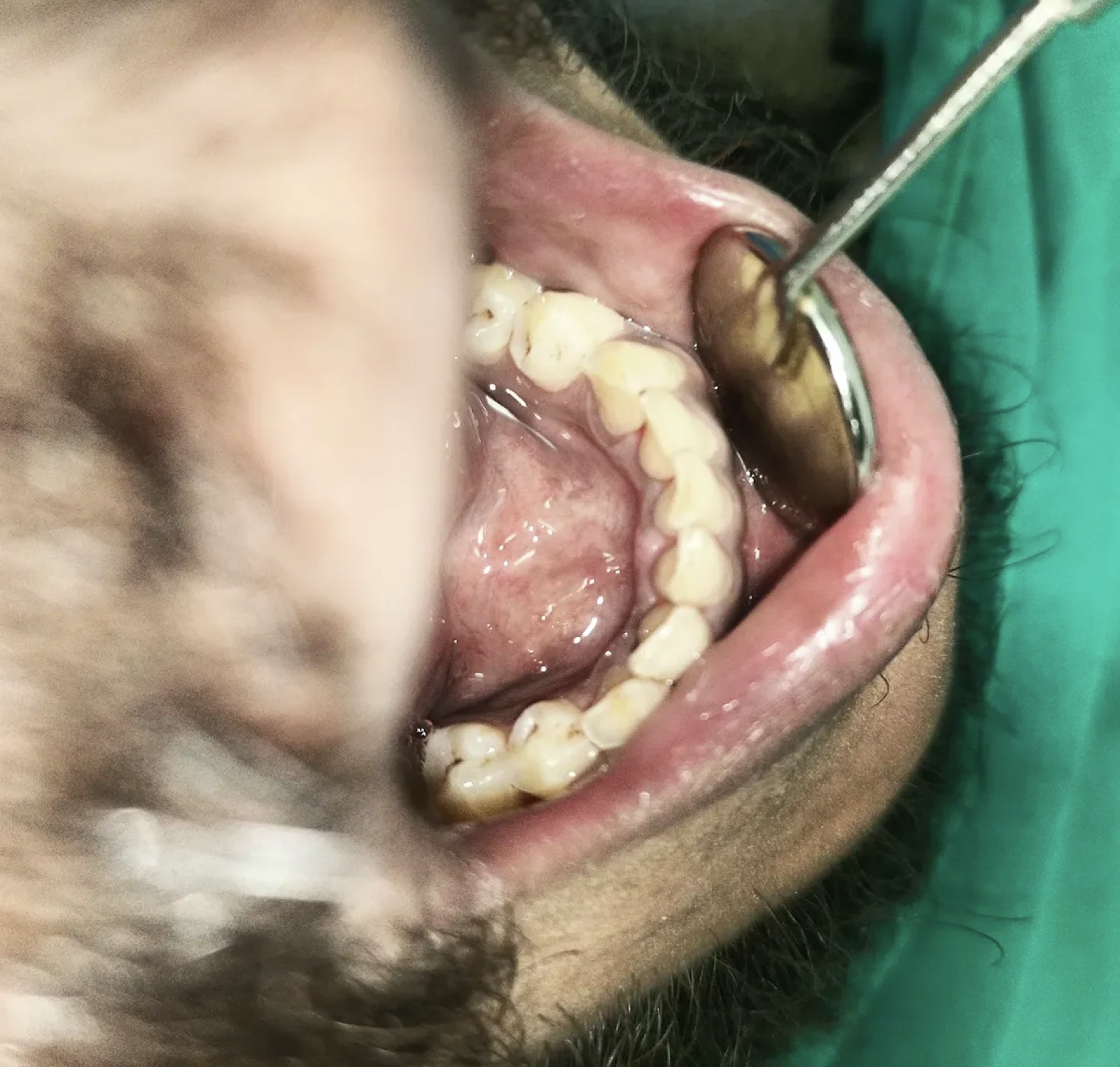
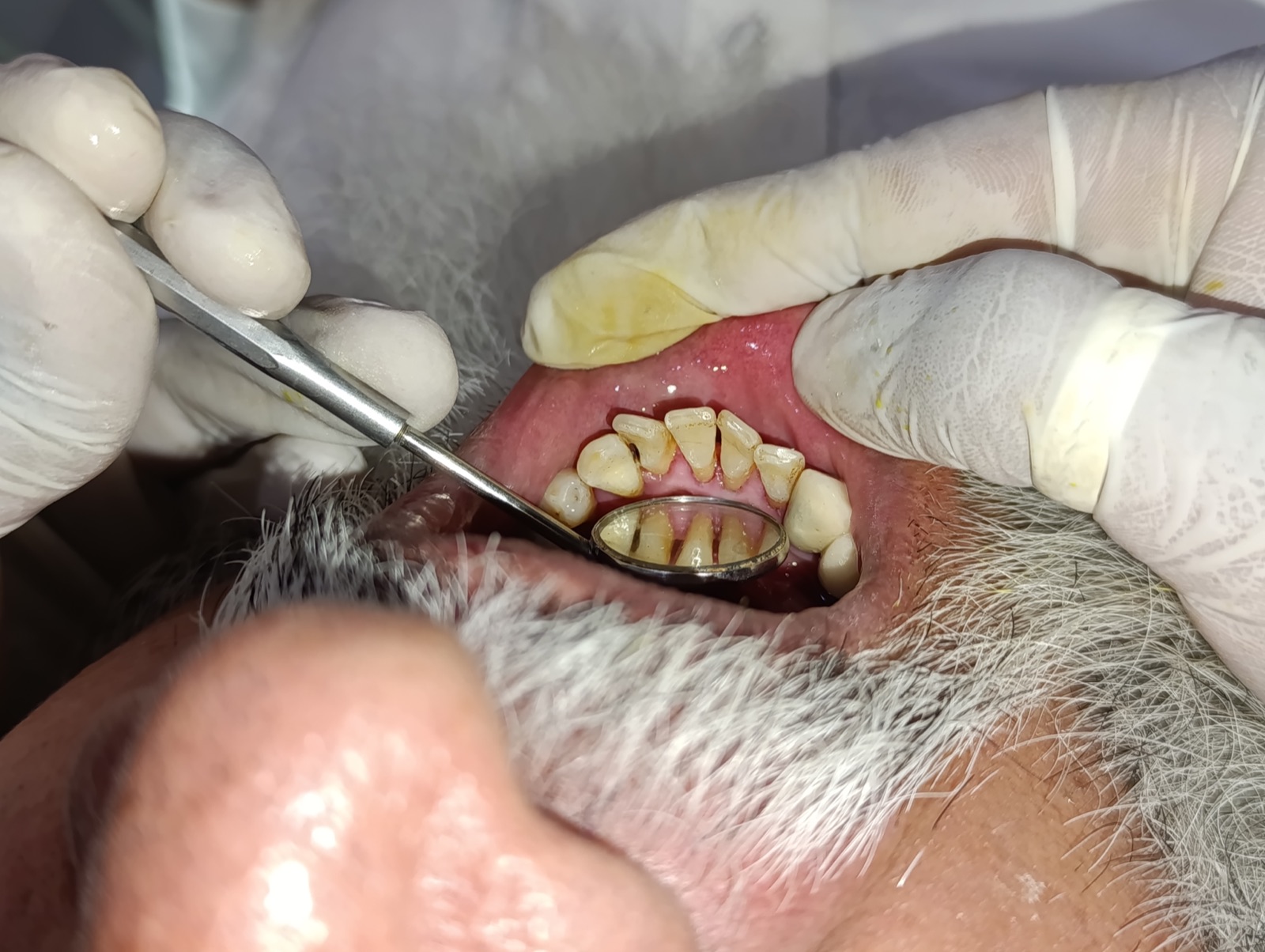
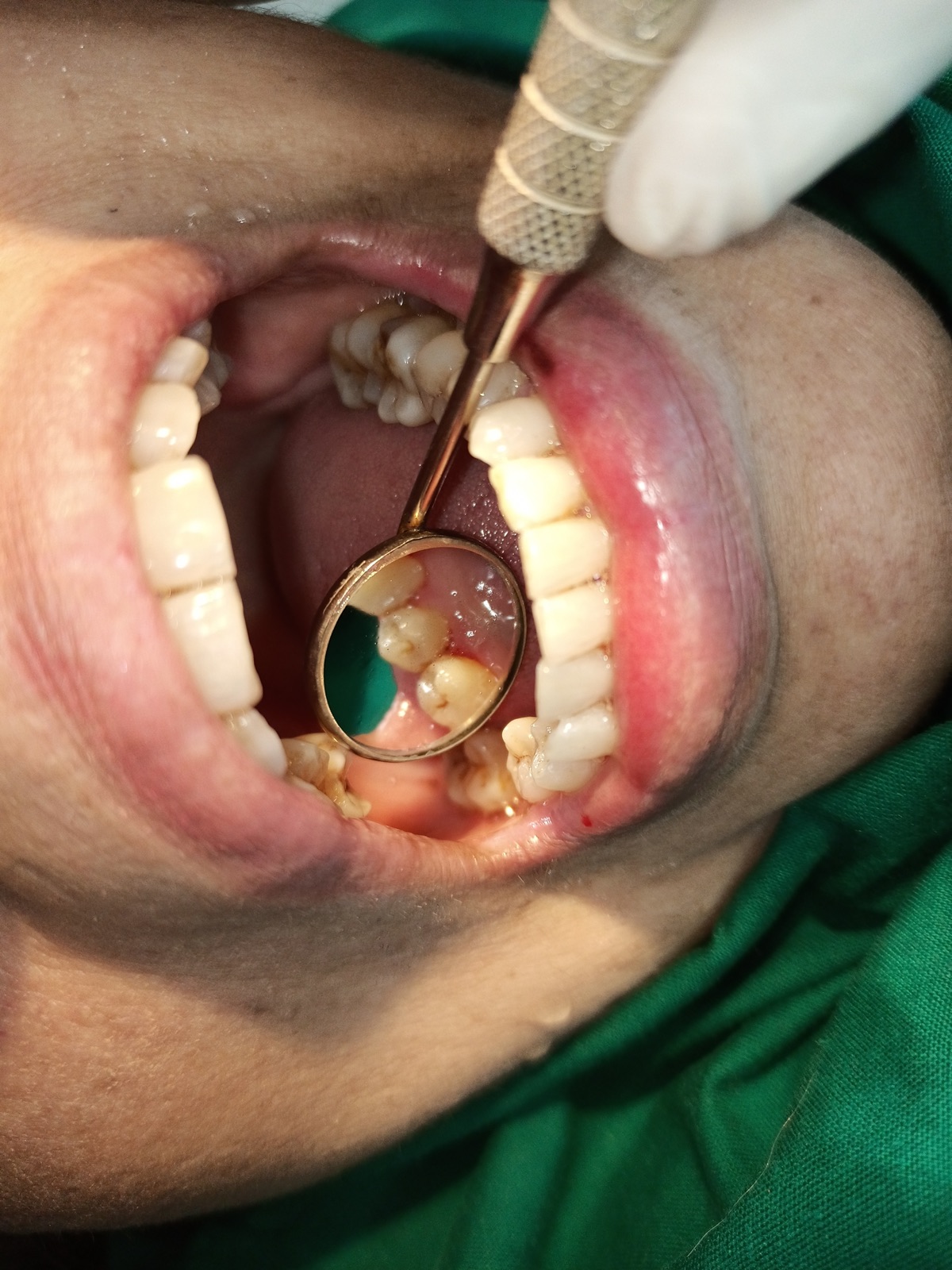
Long-form case studies from our patient archive — patients who took action early enough to keep their natural teeth, and others who chose dentures or implants when the time came. Every photo was taken in our Engineers Town clinic with patient consent.
Four ways to pay for your denture work.
We don't want cost to be the reason a patient stays on a soft-food diet. The four payment paths below cover almost every situation — discussed openly at the consultation, no pressure, no awkwardness, no third party finance.
Treatments, problems, and terminology.
Related treatments
What it relates to
Replace the teeth. Properly.
Book a free 15-minute consultation. We'll examine your remaining teeth and gum ridges, discuss the right type of denture for your situation, hand you a written quote — and you decide from there. No pressure to book the same day, no hidden charges if you do.