🍃
Betel Leaf & Areca
Tannins from the areca nut bind to enamel and produce the primary brown stain.
Paan stains are chemical, not cosmetic. The chuna and katha combination etches the enamel and leaves a reddish-brown layer that toothpaste cannot remove. At Odonto, the stain is cleared and your mouth is screened for the health risks that matter.
Chemical, Not Surface
Paan stains bond with enamel, so home remedies do not reach them.
Scaling Comes First
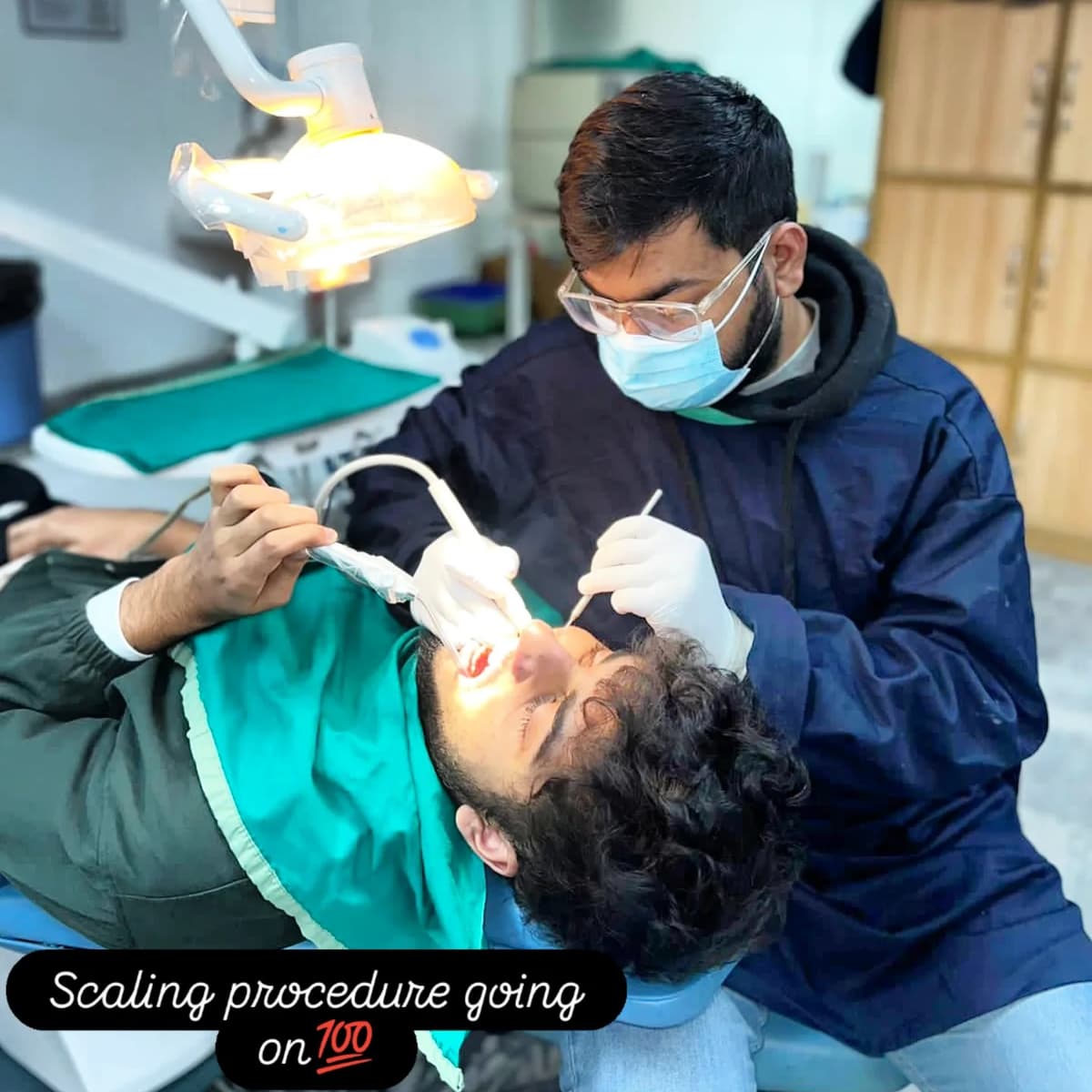
Ultrasonic scaling lifts hardened paan deposits before any whitening.
Whitening After Cleaning
Shade-lifting works only on teeth that are already surface-clean.
Cancer Screen Mandatory
Every long-term paan user is screened for pre-cancerous changes.
Paan stains are the most common cosmetic complaint among chewing users in Punjab. The reddish layer is a combined chromogenic deposit from areca tannins, lime, and katha — chemically bonded to plaque and calculus on the enamel surface.
Tannins from the areca nut bind to enamel and produce the primary brown stain.
Highly alkaline — roughens enamel so stains adhere more strongly each time.
Polyphenols give the classic red-brown colour that resists normal brushing.
Paan residues harden with saliva minerals into permanent-looking deposits.
Paan users also consume chai daily, deepening stain through compound staining.
Years of chewing layer the stain so that each session deposits onto the last.
Pakistan-Specific Patterns
Not every paan stain is the same. The appearance on examination decides whether a simple scaling session will clear it, or whether deeper treatment is needed. For most cases, professional scaling and polishing is the first and most reliable step before any cosmetic work is considered.
| Area | Cosmetic Sign | Health Warning Sign |
|---|---|---|
| Appearance | Red-brown coating on teeth | White or red patch inside cheek |
| Pain | None | Burning with spicy food |
| Mouth opening | Normal | Reduced jaw opening |
| Response to scaling | Clears up well | Does not resolve — needs biopsy |
| Usual cause | Pigment deposit from chuna and katha | Submucous fibrosis or pre-cancerous change |
| Action needed | Scaling + lifestyle advice | Oral cancer screening + specialist referral |
Before any whitening is scheduled, Dr. Mian Momin Ahmad checks for the underlying disease risks that every long-term paan chewer faces.
Full intra-oral inspection of teeth, gums, tongue, and cheek lining.
Distinguish surface chromogenic from intrinsic enamel changes.
Gum pockets measured to rule out paan-related recession or bone loss.
Cheek, palate, and tongue checked for leukoplakia and erythroplakia.
Interincisal opening measured to detect oral submucous fibrosis.
Before photos stored digitally to compare after stain removal.
Ultrasonic scaling lifts the hardened paan and calculus layer; polishing restores the natural enamel surface.
Once the surface is clean, in-clinic whitening lifts the shade by several levels for a dramatic change.
Every long-term paan user is screened for leukoplakia, erythroplakia, and oral submucous fibrosis at the first visit.
Stain removal is the visible outcome, but the real clinical priority is screening for submucosal changes that precede oral cancer. An oral cancer screening for paan and tobacco users takes 5 minutes, is painless, and is included with every first visit at Odonto.
Light brown staining, occasional chewing, no gum involvement yet.
Scaling + Polish
Set-in red-brown stain, daily chewing, early gum recession signs.
Scaling + Whitening
Deep chromogenic layer, calculus, burning mouth after spice.
Scaling + OSMF Screening
Reduced mouth opening, white or red patches in the cheek lining.
Urgent Cancer Screening
With over 10 years of clinical experience in restorative, cosmetic, and preventive dentistry, Dr. Mian Momin Ahmad is dedicated to delivering exceptional dental care with a gentle touch.
Book AppointmentQualifications & Certifications
Clinic Location
Plot #7, Shop #2, Main Defence Rd, Block A1 Engineers Town, Lahore, Pakistan
 BeforeAfter
Daily paan user — 5 years
Natural shade restored
.jpeg&w=3840&q=75) Before
Before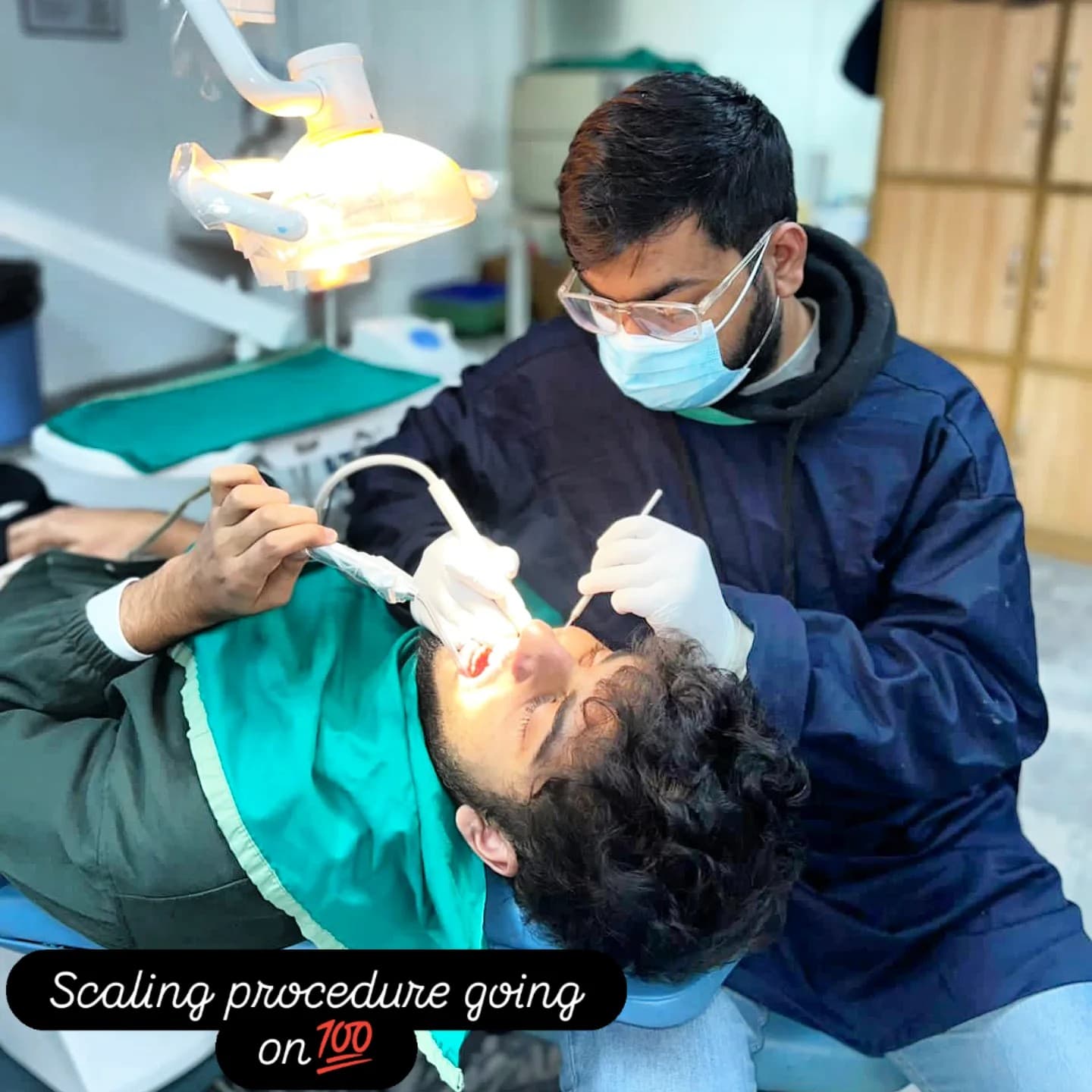 After
AfterPaan + chai staining
5 shades lighter
BeforeAfterPaan + gum recession
Healthy pink gums
BeforeAfter20+ year chewer
Clean mouth, cancer-free
Yes. Hardened paan stains respond well to ultrasonic scaling and polishing. One session usually restores the natural enamel shade if the patient does not continue chewing afterwards.
No. Whitening toothpaste acts on light surface stains, but the chromogenic deposit from chuna and katha is chemically bonded to the enamel and calculus and cannot be brushed away.
Yes. Long-term paan and areca use is a proven risk factor for oral submucous fibrosis and oral cancer. A 5-minute screening checks for early changes that are fully treatable when caught early.
Pricing depends on calculus build-up and whether whitening is added. Odonto provides a free first consultation with a written quote before any work begins.
Only if chewing continues. Once paan use stops and maintenance cleanings are attended every 6 months, the stain does not return.
Areca nut is classified as a carcinogen. Paan alone raises risk, and paan combined with tobacco (gutka, naswar) dramatically raises it. Screening and quitting are the two protective steps.
Whitening is not recommended while chewing continues, because the stain returns within weeks and the enamel is left more sensitive. We clean first, then advise on a realistic plan.
OSMF is a condition caused by areca nut where the cheek lining stiffens and mouth opening reduces. It is pre-cancerous and needs dental and oncologic review when diagnosed.
Paan stains come off. The underlying risk needs attention too. Book a free consultation and get both addressed in one visit.
Geographic Coverage
Odonto Dental Clinic is centrally located on Main Defence Road in Engineers Town, Lahore. Our location offers swift, direct road access to key residential communities, making premium dental treatments highly accessible for families in southern Lahore.