🩸
High Blood Sugar
Hyperglycaemia feeds oral bacteria and triggers inflammation in the gums.

Uncontrolled diabetes accelerates gum disease, bone loss, and tooth decay. At the same time, untreated oral infection pushes up HbA1c. At Odonto, diabetic patients get a coordinated plan that works with your endocrinologist, not around them.
Two-Way Link
Gum disease and diabetes make each other worse, so we treat both.
Shorter Recalls
Diabetic patients come every 3 months, not 6, for stable gum health.
Bring Your HbA1c
Knowing your latest value changes the plan and the scheduling.
Coordinated Care
We liaise with your endocrinologist when surgery or implants are planned.
Diabetes raises the risk of periodontitis by 2 to 3 times, and periodontitis in turn raises HbA1c. That is why diabetic dental care is not just about fillings — it is about slowing a cycle that drives both diseases.
Hyperglycaemia feeds oral bacteria and triggers inflammation in the gums.
Diabetics have blunted neutrophil activity, slowing the fight against gum bacteria.
Xerostomia removes the mouth's natural cleansing system and accelerates caries.
Extractions and periodontal surgery recover more slowly when glucose is uncontrolled.
Bone turnover is impaired, so periodontitis destroys supporting bone faster.
Reduced microvascular supply limits healing and raises implant failure rates.
Pakistan-Specific Patterns
Diabetes changes the mouth in predictable ways. The seven most common patterns are addressed as a coordinated set rather than one by one. Gum disease is the single most important of these, handled through structured periodontal care for diabetic patients planning at Odonto.
| Condition | Early Sign | Outcome If Uncontrolled |
|---|---|---|
| Gums | Bleeding on brushing | Severe periodontitis and tooth loss |
| Bone level | Slight flattening | Rapid loss and loose teeth |
| Saliva | Occasional dry mouth | Chronic xerostomia and caries |
| Healing | Slightly slower | Dry socket and chronic wounds |
| Breath | Mild odour | Persistent halitosis from deep pockets |
| Infection | Oral thrush easy to treat | Recurrent candidiasis and abscesses |
A diabetic-aware assessment checks the gums, bone level, saliva, and caries risk — and confirms HbA1c status before any surgical treatment is scheduled.
Current diabetic control and all medications are recorded before treatment.
Pocket depths and bleeding points recorded for all 28 – 32 teeth.
Digital X-rays show the bone level around each tooth.
Saliva flow and caries risk assessed for xerostomia-driven decay.
Tongue, cheeks, and palate checked for candidiasis and other infections.
Summary letter sent to your endocrinologist so the plans align.
Scaling, root planing, and pocket management to stabilise the single biggest dental threat to diabetics.
Diabetic patients need shorter intervals between professional cleanings than the standard 6 months.
Saliva substitutes, high-fluoride toothpaste, and dietary advice to manage xerostomia-driven decay.
Routine cleanings are not only safe for diabetics, they are actively protective. Regular professional scaling and polishing every 3 months reduces systemic inflammation and helps lower HbA1c over time.
Well-controlled HbA1c, mild gingivitis, no bone loss.
Cleaning + Review
HbA1c borderline, bleeding gums, early pocket formation.
Full Perio Therapy
Poor control, moderate bone loss, dry mouth.
Coordinated Plan + Endocrine Liaison
Uncontrolled diabetes, loose teeth, abscesses.
Urgent Care + Medical Team
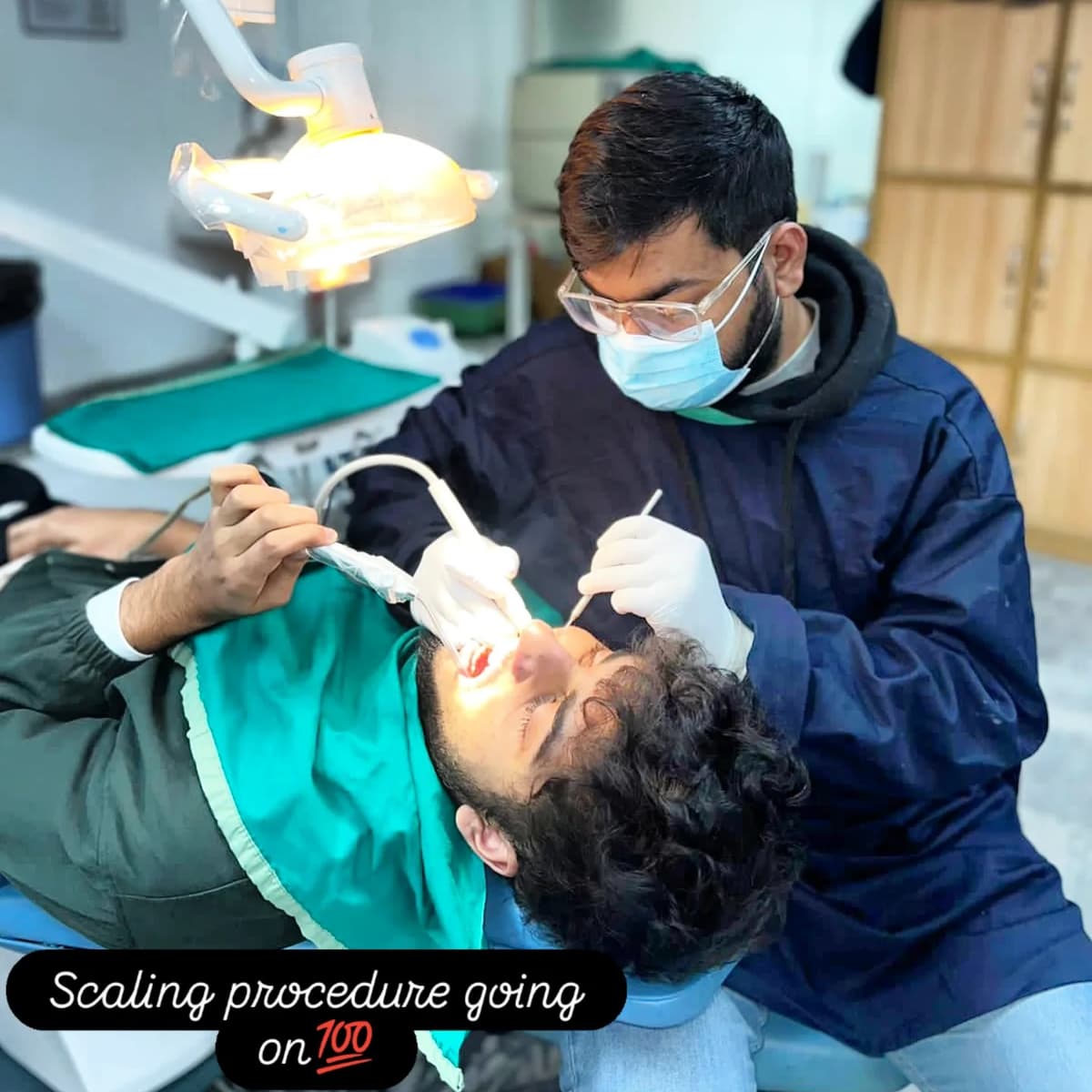
With over 10 years of clinical experience in restorative, cosmetic, and preventive dentistry, Dr. Mian Momin Ahmad is dedicated to delivering exceptional dental care with a gentle touch.
Book AppointmentQualifications & Certifications
Clinic Location
Plot #7, Shop #2, Main Defence Rd, Block A1 Engineers Town, Lahore, Pakistan
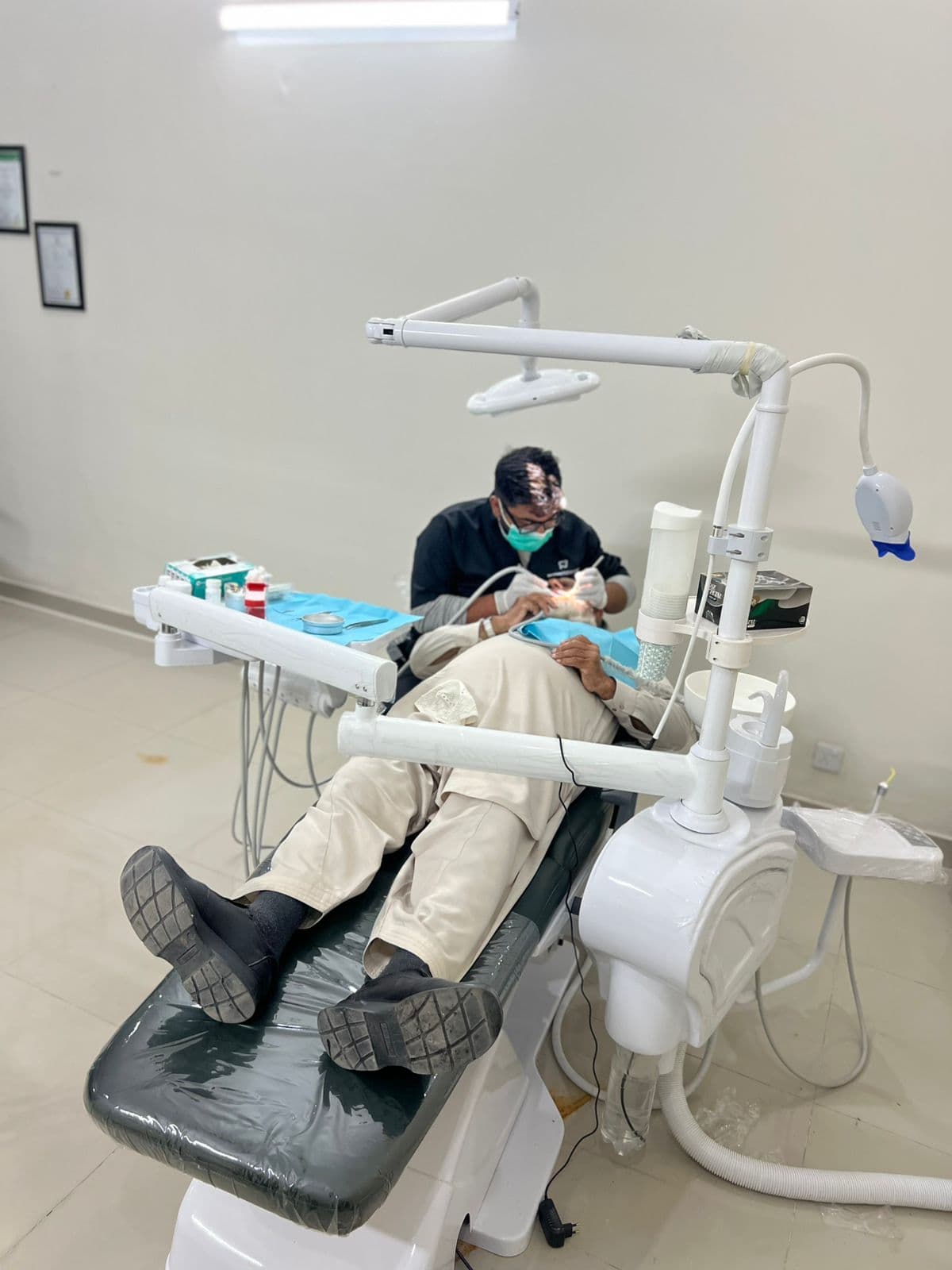 BeforeAfter
Diabetic with bleeding gums
Gums healed, HbA1c down 0.8%
.jpeg&w=3840&q=75) Before
Before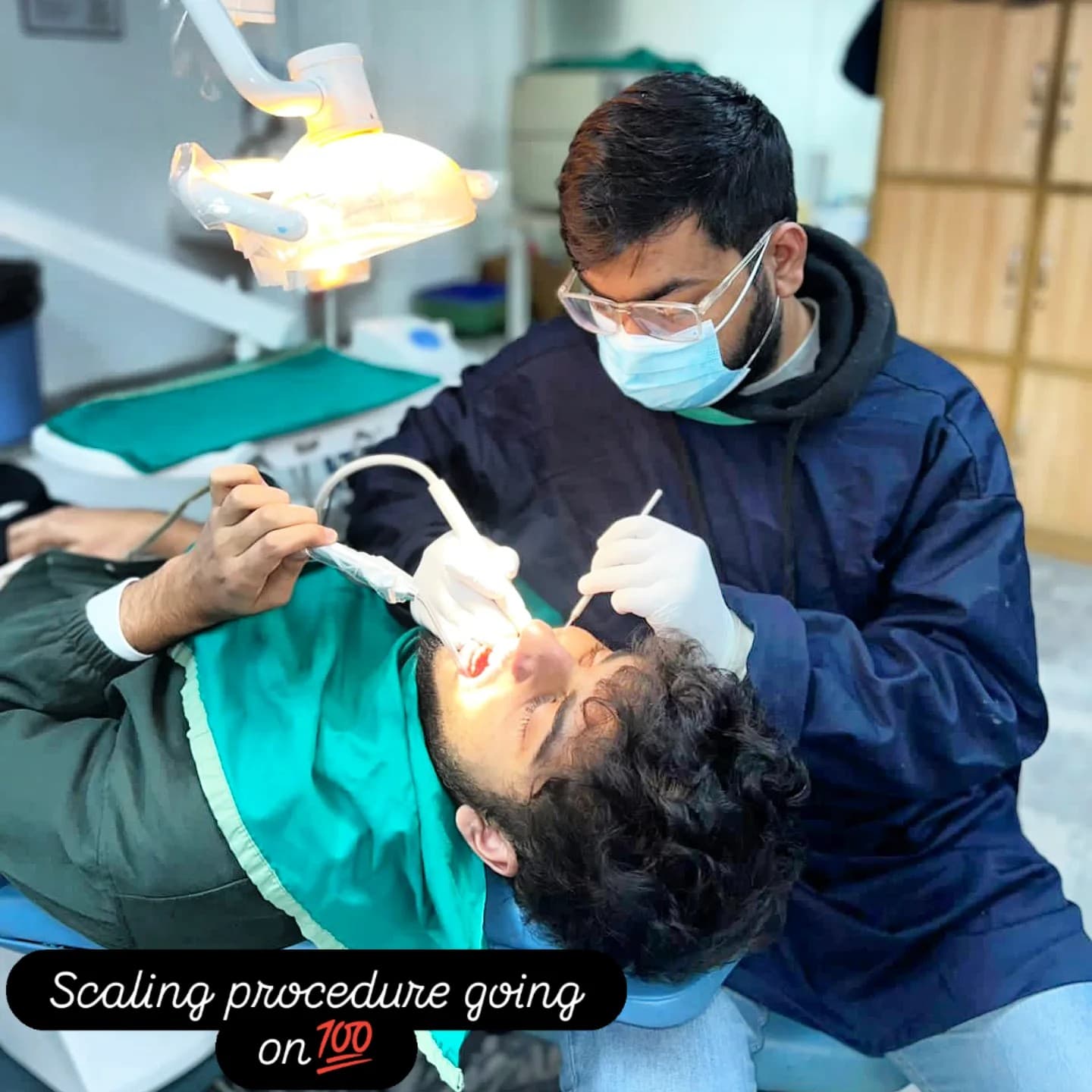 After
AfterDry mouth + rampant caries
Zero new cavities at 1 year
BeforeAfterModerate bone loss
Bone level stable after 18 months
BeforeAfterDelayed healing extraction
Uneventful healing, implant placed later
Yes, when diabetes is reasonably controlled. Routine dental care is not only safe but actively lowers systemic inflammation and supports better glycaemic control.
High blood sugar feeds oral bacteria, blunts the immune response, and accelerates bone loss. Diabetics have 2 to 3 times the risk of periodontitis as non-diabetics.
Yes. Published evidence shows that controlling periodontitis reduces HbA1c by roughly 0.4 percent on average, similar to an additional diabetes medication.
Every 3 months rather than the standard 6, especially if gum disease or dry mouth is present.
Yes, always. Your HbA1c and diabetes medications directly influence the treatment plan, especially before surgery or implants.
Raised blood sugar causes vascular changes in gum tissue, making it more prone to bleeding. Good control plus deep cleaning usually resolves the bleeding.
Yes, if your diabetes is well controlled. Implant success rates in controlled diabetics are very close to those of non-diabetic patients.
Yes. Reduced saliva removes the mouth's natural buffering, so cavities form faster. A saliva-substitute and high-fluoride plan manages this effectively.
Book a coordinated diabetic dental consultation. We work with your endocrinologist so both your HbA1c and your gums head in the right direction.
Geographic Coverage
Odonto Dental Clinic is centrally located on Main Defence Road in Engineers Town, Lahore. Our location offers swift, direct road access to key residential communities, making premium dental treatments highly accessible for families in southern Lahore.